Intel May Take Over Apple’s Chip Production in a Major Industry Shift
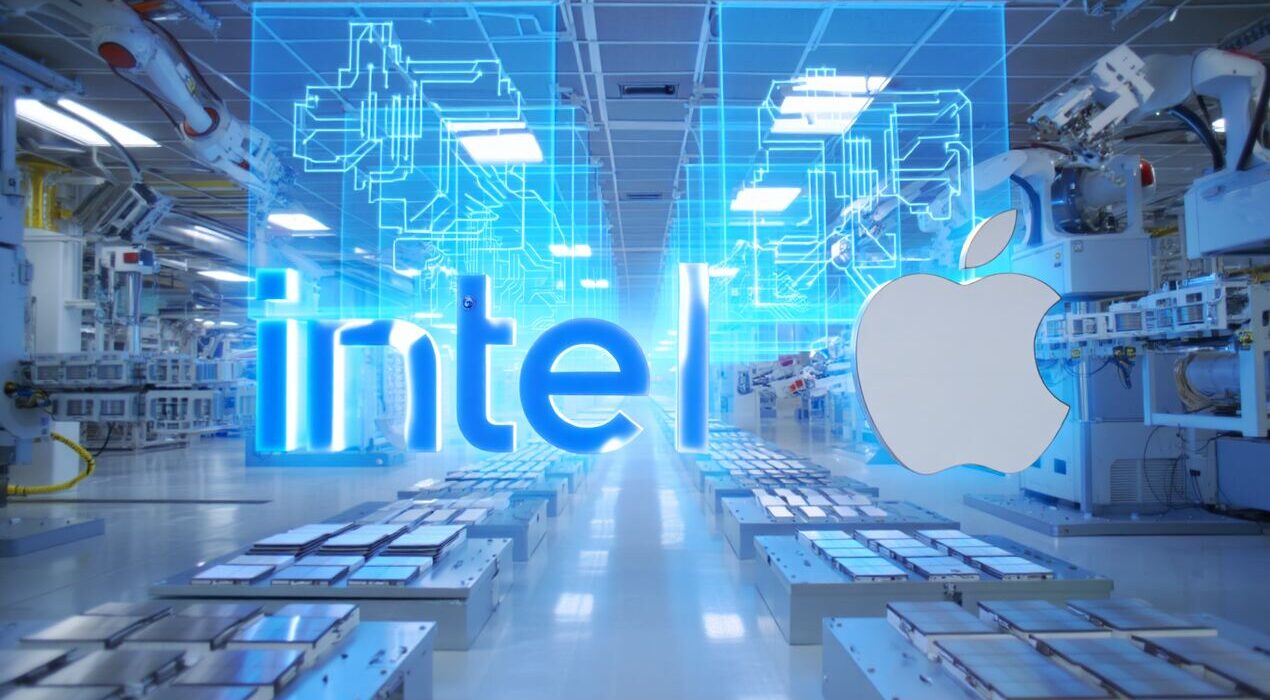
Intel may soon take a much bigger role in Apple’s chip production, signaling a potential shake-up in the global semiconductor industry. Reports suggest Apple is exploring deeper manufacturing ties with Intel as it looks to diversify beyond its heavy reliance on Taiwan Semiconductor Manufacturing Company (TSMC). This possible move comes amid rising geopolitical risks and increasing pressure on chip supply chains.
Apple designs its own processors, including the M-series and A-series chips, but depends on external foundries to manufacture them. Currently, TSMC handles nearly all Apple silicon production. However, Apple has reportedly shown interest in Intel’s advanced foundry services as Intel pushes aggressively into contract chip manufacturing.
If finalized, this partnership could mark a major turnaround for Intel. The company has struggled in recent years to keep pace with rivals in chip manufacturing. Therefore, securing Apple as a customer would instantly boost Intel’s credibility and revenue in the foundry market.
Why Apple and Intel Could Benefit From This Partnership
Intel has invested billions of dollars to modernize its manufacturing facilities and catch up with cutting-edge process technologies. In addition, it has launched Intel Foundry Services to attract high-profile clients. Apple could benefit from this effort by spreading risk across multiple suppliers while gaining access to US-based chip production.
For Apple, diversification is strategic. Depending on a single supplier exposes the company to disruptions from political tensions, natural disasters, or capacity limits. As a result, working with Intel could strengthen supply stability and align with Apple’s long-term resilience goals.
Industry analysts caution that challenges remain. Intel must prove it can deliver the same performance, efficiency, and yields that Apple expects. Apple’s chips demand extreme precision, and even small flaws can affect device performance. However, early progress suggests Intel is closing the gap faster than before.
If Intel succeeds, the move could reshape the balance of power in chip manufacturing. It may also encourage more Western production, reducing global dependence on Asian foundries. While no official confirmation exists yet, the possibility alone highlights how competitive and strategic the chip industry has become.