Iran Oil Premium Surge Tehran Exports 40M Barrels After Blockade Ends
Iran oil premium has increased sharply after the United States lifted its naval blockade. As a result, Tehran has exported over 40 million barrels in just two weeks. This sudden shift highlights a strong return to global oil markets. Officials say demand has improved quickly. In addition, buyers now accept higher prices due to reduced supply risks. Therefore, Iran is taking advantage of the new momentum.
Exports Surge Across Key Routes
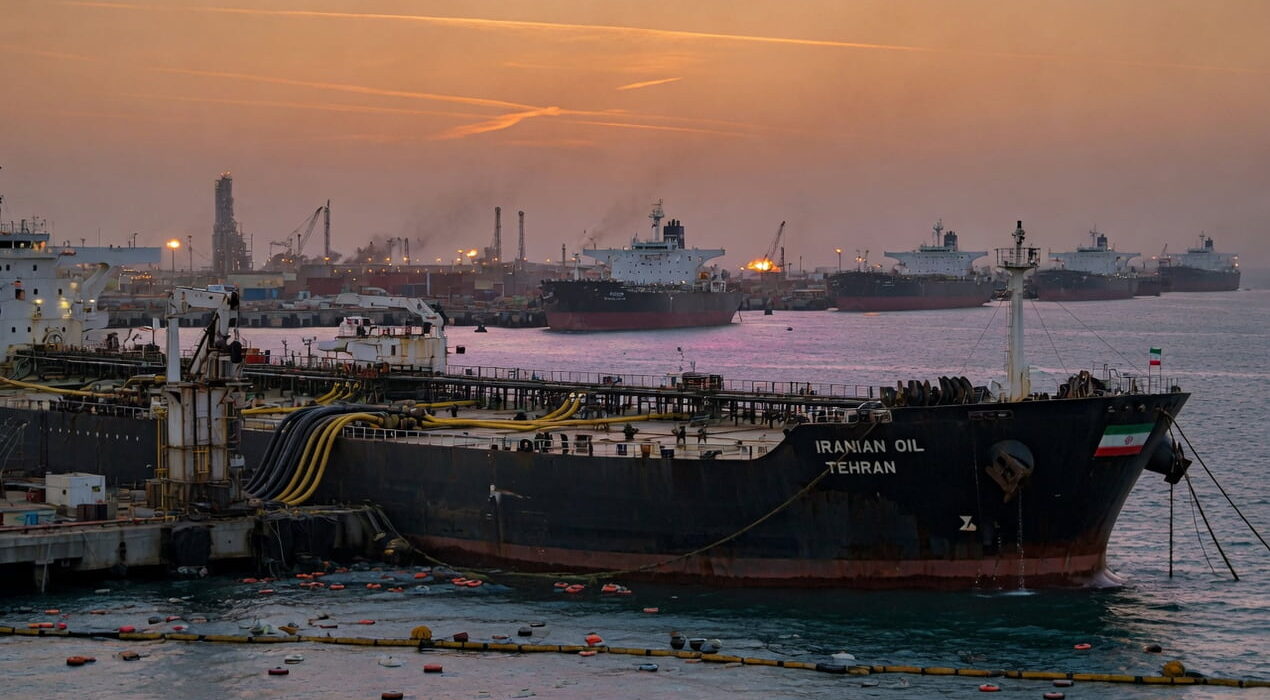
Oil shipments rose fast once the Strait of Hormuz reopened. For example, tankers resumed normal movement after months of disruption. Traffic had slowed during the conflict, but it is now recovering steadily. Iran’s chief negotiator, Mohammad Bagher Ghalibaf, confirmed the export figures. He also noted that the country could not export any oil during the blockade. However, the situation changed immediately after the agreement. Meanwhile, tracking firms suggest even higher numbers. Some estimates show exports reaching nearly 50 million barrels. This reflects strong global demand and improved logistics.
Prices Climb Despite Global Drop
Iran is now selling oil at a 20% premium compared to pre-war levels. Before the conflict, Iranian crude traded at a discount due to sanctions. Now, buyers appear willing to pay more for steady supply. However, global oil prices have declined overall. Brent crude trades near $73 per barrel, far below its earlier peak. This drop comes as markets expect more supply from the Gulf region. Even so, Iran benefits from better pricing. As a result, the country gains more revenue despite lower global benchmarks.
Temporary Deal Shapes Future Talks
The United States and Iran signed a memorandum to ease tensions. Under this deal, ships can pass through the Strait of Hormuz toll-free for 60 days. This step aims to support trade and stability. However, both sides still need a long term agreement. Negotiations will continue to secure lasting peace. Short clashes over the weekend show tensions remain sensitive. In addition, Iran plans to use some unfrozen assets for imports. Officials say funds will support essential purchases in global markets. Overall, the Iran oil premium reflects a major shift in energy dynamics. The coming weeks will decide if this progress turns into lasting stability.