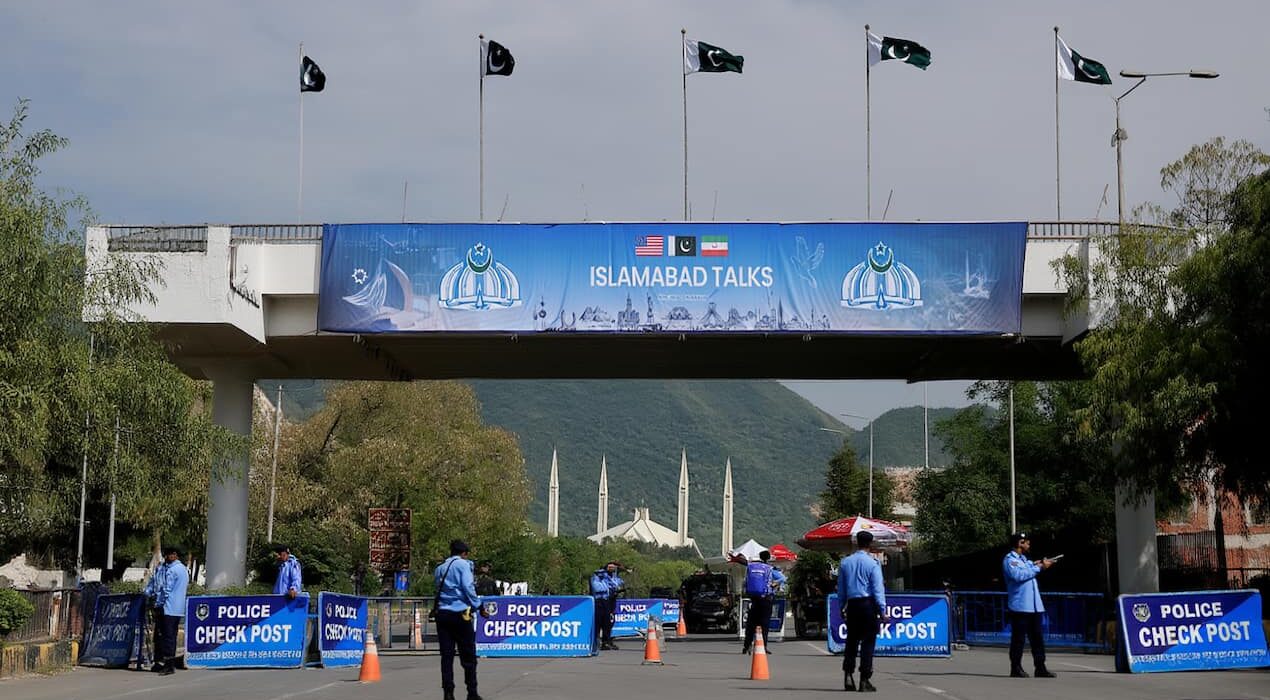
Islamabad Red Zone Closure: Security Tightened for Foreign Delegations
Islamabad Red Zone closure has disrupted routine life in Islamabad as authorities prepare for foreign delegations. Police announced strict restrictions and introduced alternate traffic plans. As a result, citizens face limited access and travel disruptions across key areas.
Security Measures and Restrictions
Authorities have sealed the Red Zone and Extended Red Zone for all traffic. In addition, officials directed government offices to adopt work-from-home arrangements. This step aims to reduce congestion and ensure smooth security operations.
Advance teams have already arrived via Nur Khan Airbase and Islamabad International Airport. Meanwhile, law enforcement has deployed thousands of personnel across the capital. For example, over 2,800 police officers, including snipers, now guard rooftops and sensitive locations.
Authorities have also suspended public and heavy transport. In addition, hotels and guest houses have received orders to close temporarily. These actions highlight the scale of security preparations underway.
Regional Context and Public Impact
The Islamabad Red Zone closure comes amid possible talks between the United States and Iran. Earlier discussions showed limited progress, but key issues remain unresolved. For instance, tensions continue over the Strait of Hormuz, which Iran recently closed again.
As a result, authorities have heightened security across nearby Rawalpindi as well. Police forces from multiple regions now support operations in the capital. Moreover, courts have suspended proceedings to avoid inconvenience for lawyers and staff.
These strict measures aim to ensure safety during high-level visits. However, they also disrupt daily life for residents and businesses. Therefore, citizens must follow official guidelines and plan travel carefully until restrictions ease.