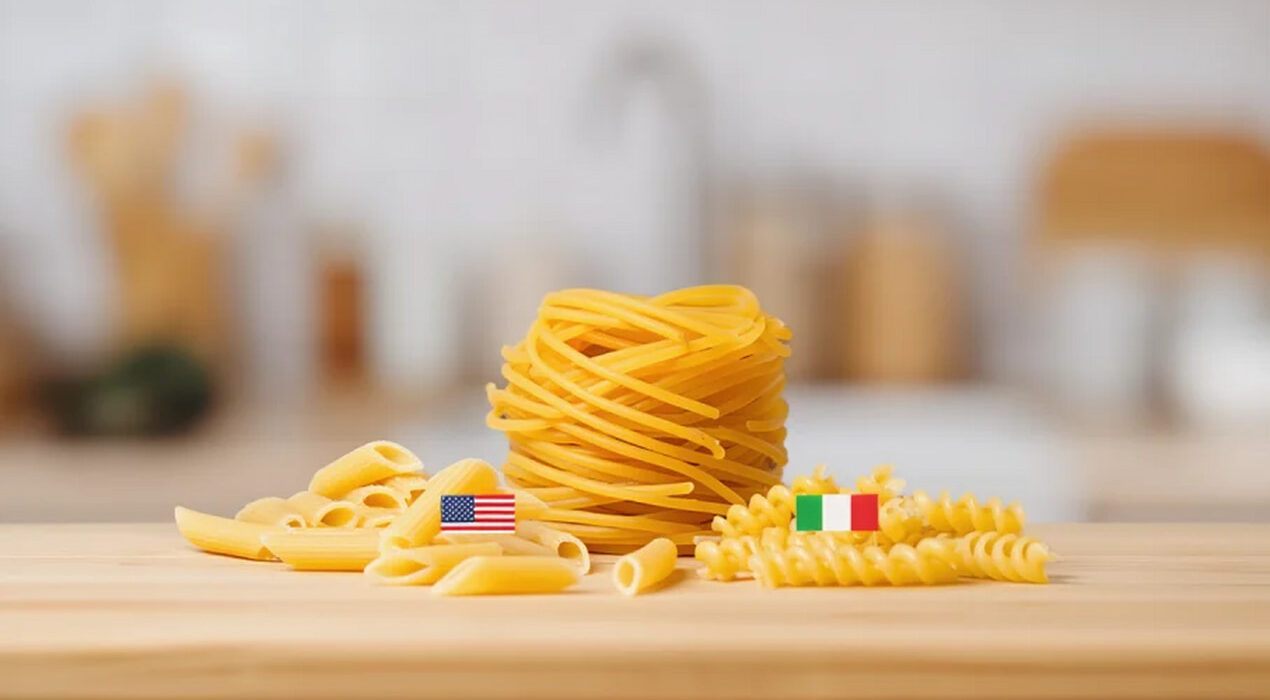
Italian Pasta Tariff Cut: US Drops 107% Duty Threat
The Italian Pasta Tariff Cut marks a major shift in US trade policy. Earlier plans threatened duties as high as 107% on Italian pasta imports. However, US officials now signal a far lower rate. The Commerce Department confirmed the change this week. Instead of steep penalties, tariffs may range between 24% and 29%.
As a result, Italian exporters gain breathing room.
Why the Tariff Plan Changed
The United States already applies a 15% tariff on most EU products. In addition, officials proposed extra duties last October. Those measures followed claims of unfair pricing. However, Italian producers responded with detailed data.
They addressed concerns raised during the initial review. Therefore, the Commerce Department reassessed its position. Officials cited additional feedback after the preliminary ruling. They stressed a commitment to fairness and transparency. Final rates will be announced on March 12.
Background of the Trade Dispute
The case began after two US food companies filed a complaint. 8th Avenue Food & Provisions and Winland Foods led the action. They claimed Italian pasta sold below fair market value. An early report named La Molisana and Pastificio Lucio Garofalo. The department said both firms provided incomplete data.
These companies also accounted for the largest US sales volumes. However, later cooperation changed the narrative. Italian authorities welcomed the revised outlook. They called it recognition of good-faith engagement.
What This Means for Consumers and Trade
The Italian Pasta Tariff Cut benefits more than exporters. Lower duties help keep pasta prices stable for US families. Retailers may also avoid supply disruptions. Moreover, the move reduces pressure on transatlantic trade ties.
It signals openness to dialogue instead of confrontation. As a result, both sides may avoid a prolonged dispute. Trade experts say this approach sets a positive precedent. It encourages cooperation over escalation. Many now watch March’s final decision closely.