Japan Is Giving Seniors “Superpowers” With Robotic Exoskeletons
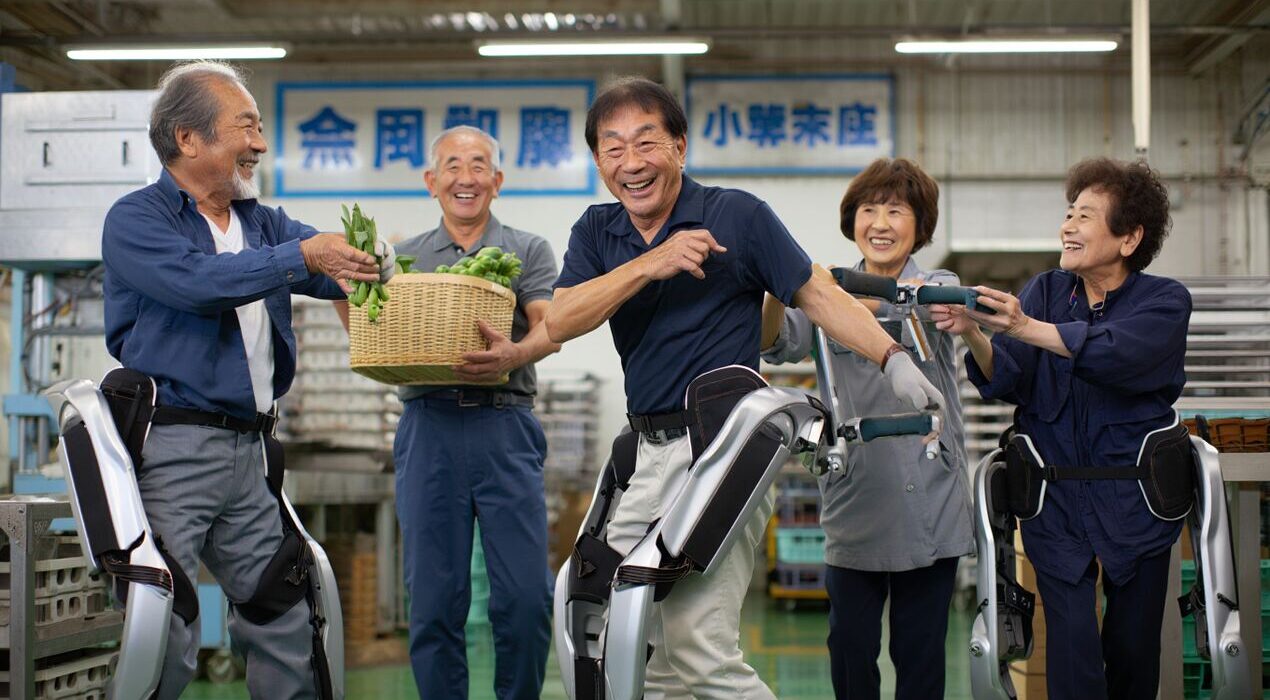
Japan is facing one of the world’s fastest-aging populations. As a result, the country is turning to technology for support. One powerful solution is robotic exoskeletons for senior workers.
These wearable machines help older employees lift heavy loads with less strain. They reduce
injury risks and allow people to stay active at work longer. Therefore, age no longer limits physical ability in demanding jobs. Major Japanese companies are leading this shift. Panasonic and Cyberdyne have developed advanced exoskeleton suits for warehouses and construction sites. These devices detect body movement and add motorized support instantly.
As a result, lifting feels lighter and safer. Workers can move more confidently and with better balance. In addition, the suits help reduce long-term muscle and joint stress.
Why Exoskeletons Matter for an Aging Society
Japan’s labor shortage keeps growing each year. However, many seniors still want to work and stay independent. Robotic exoskeletons help bridge that gap.
These high-tech suits promote inclusive workplaces. Older workers can now perform tasks once limited to younger staff. For example, carrying boxes or using heavy tools becomes manageable again.
The benefits extend beyond productivity. Seniors using exoskeletons report less fatigue and fewer injuries. As a result, their quality of life improves both on and off the job.
Japan’s approach offers a global lesson. Instead of forcing retirement, technology can adapt work to people. Innovation, therefore, becomes a tool for dignity and longevity.
From factories to construction sites, robotic exoskeletons are redefining aging. They prove that strength does not disappear with time. With the right technology, experience and physical ability can work together.
In Japan, growing older no longer means slowing down. It simply means working smarter.