Karachi Consumers to Choose Power Supplier from 2026
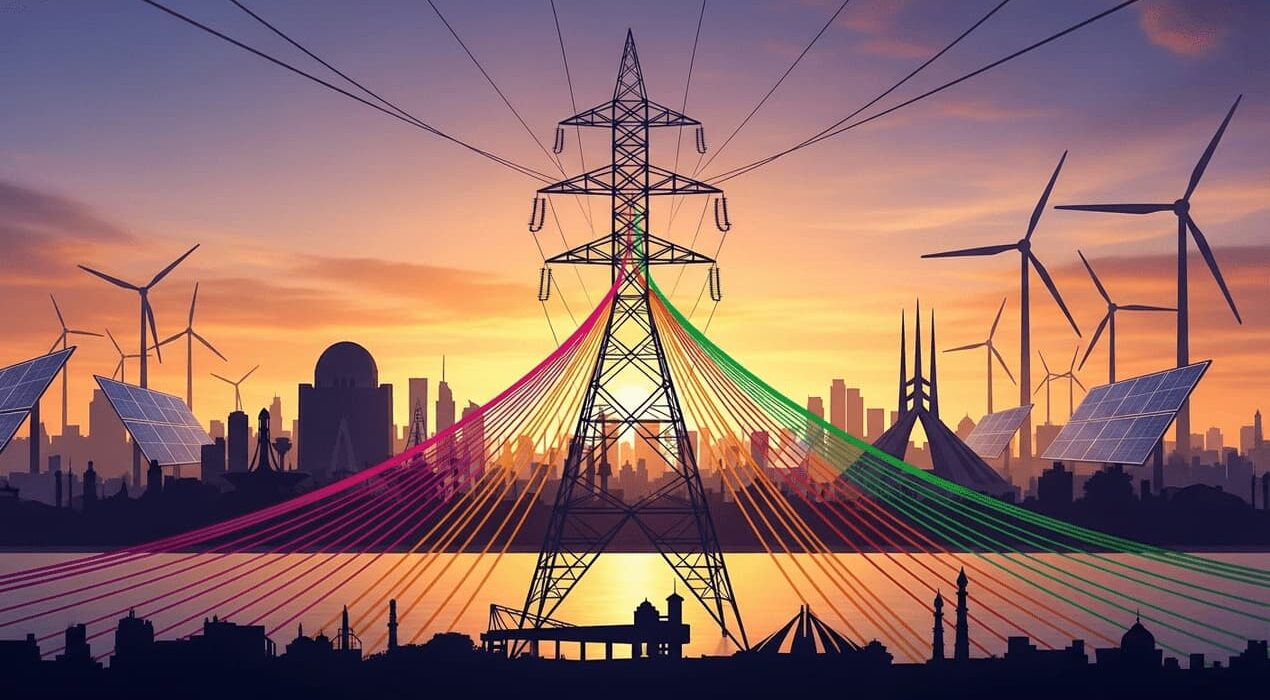
Karachi residents will soon gain the freedom to choose their electricity suppliers. The federal government plans to launch a competitive power market by January 2026, giving consumers real options for the first time.
The National Assembly’s Standing Committee on Power discussed this development on Wednesday. The session, led by MNA Muhammad Idrees, focused on the Multi-Vendor Electricity Distribution Bill, 2025, presented by MNA Shahida Rehmani. However, the committee decided to postpone the bill’s review until February 2026 for further consultation.
A New Energy Era
Rehmani highlighted Karachi’s ongoing electricity challenges. She pointed to inefficiency, frequent outages, and growing losses under K-Electric’s management. Many residents, she noted, continue to face high bills and unreliable service.
Power Division Secretary Dr. Fakhr Alam Irfan confirmed that from January 2026, consumers in Karachi and other regions will be free to buy electricity from any company they prefer. He explained that the move will encourage competition, improve service quality, and give customers better rates.
In the first phase, the open market will allow up to 200 megawatts (MW) of electricity for bulk purchase. Initially, only consumers using one megawatt or more can participate. Later, the program will expand to smaller users, including homes and small businesses.
Solar Growth and Grid Concerns
Officials also discussed the rapid growth of solar power in Pakistan. The country’s off-grid and net-metered solar capacity has now reached 18,000MW. While this shift supports clean energy, it also creates new challenges for maintaining grid stability.
Dr. Fakhr Alam explained that grid-based electricity includes extra costs—Rs14 for capacity and Rs9 for taxes—making it pricier than net-metered power. He warned that unregulated solar installations could strain the grid if not properly managed.
Currently, 6,000MW comes from net-metering, while 12,000MW is generated through off-grid systems. The government continues to monitor this trend carefully to balance sustainability and system safety.