Khaleda Zia’s Female Stipend Program: A Global Model for Girls’ Education
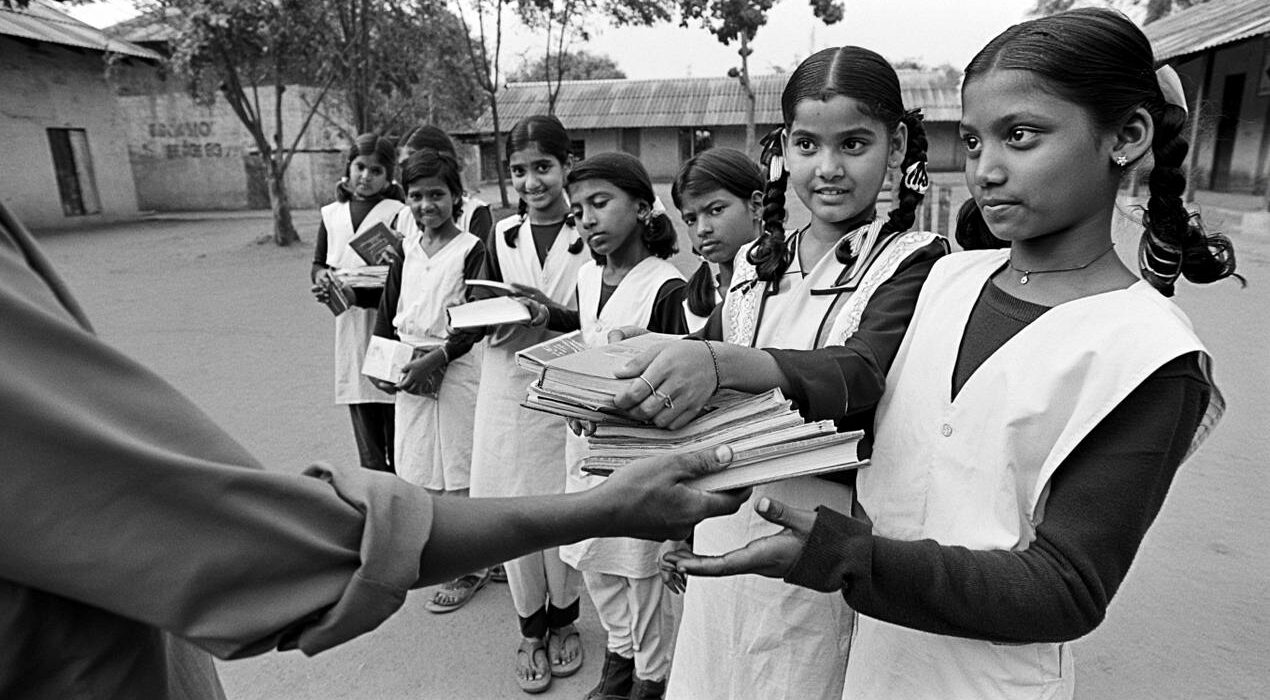
A landmark female education stipend began in Bangladesh in the 1990s. It was launched under Prime Minister Khaleda Zia’s government. This pioneering program aimed to boost girls’ secondary school enrollment. It provided direct financial assistance to families. The incentive helped offset the opportunity cost of educating daughters. Consequently, it transformed access to education for millions of girls.
Recognition as a Global Model
The program’s impact was profound and measurable. It significantly increased girls’ attendance and retention rates. Therefore, it became a celebrated case study in development economics. International organizations like the World Bank praised its success. The model was replicated and adapted in other countries. It demonstrated how targeted stipends could break barriers to girls’ schooling.
Lasting Impact and Legacy
The initiative contributed to a dramatic shift in social norms. It supported female empowerment and delayed marriage ages. Furthermore, it invested in a generation of future mothers and workers.
Its legacy endures in Bangladesh’s improved gender parity in education. The program proved that strategic investment yields substantial social returns. Ultimately, it remains a global benchmark for effective educational policy.