Kids Blood Pressure Screening Should Begin at Age 7, Experts Recommend
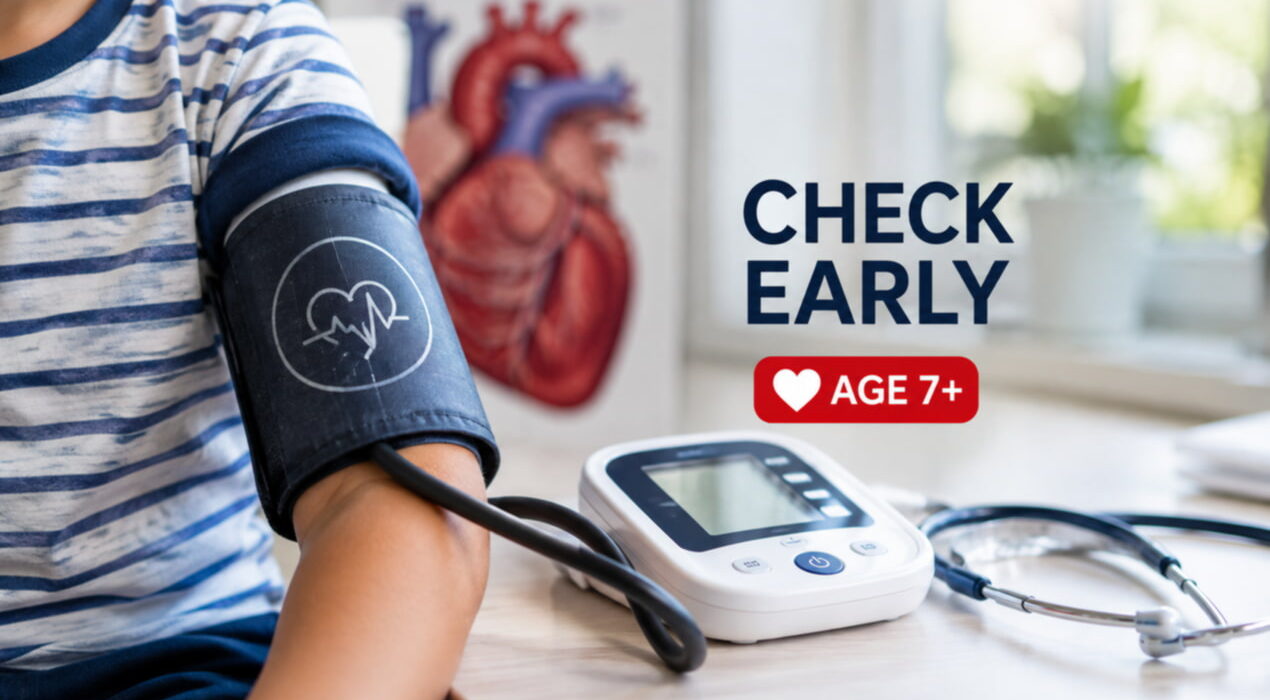
High blood pressure is no longer considered an adult-only health problem. Experts now recommend kids blood pressure screening from age seven to detect hidden hypertension early. Early diagnosis can lower the lifelong risk of heart disease and stroke.
Australian health experts recently released new national guidelines for children and teenagers. They recommend blood pressure checks between ages seven and nine, and again between 13 and 15. In addition, children aged three and older with risk factors should receive checks during healthcare visits. Doctors also advise six months of healthy lifestyle changes before considering medicine for most children.
Why Early Screening Matters
Experts estimate that about 40,000 Australian children have stage two hypertension. However, many cases remain undiagnosed because the condition rarely causes symptoms. As a result, children may develop heart and blood vessel damage without knowing it.
Obesity is the leading risk factor. However, excess salt, sugary energy drinks, and limited physical activity also increase blood pressure. Fortunately, healthy habits can reverse many early changes. Doctors encourage families to improve their diets, stay active, and reduce processed foods together.
Challenges for Healthcare and Schools
Doctors say blood pressure checks take less than one minute. Even so, clinics still need suitable equipment and clear guidance for managing results. The new recommendations aim to make screening easier during routine healthcare visits.
Researchers also support school-based blood pressure checks. A recent Australian study showed that students, parents, and school staff accepted the program well. Children with high readings received referrals for further medical assessment. Meanwhile, another large trial will examine whether regular school screening reduces future heart disease and stroke risk.
Prevention Starts at Home
Experts believe parents play a vital role in prevention. Healthy eating, regular exercise, and reducing salt intake benefit the whole family. Since high blood pressure often runs in families, positive lifestyle changes can protect both children and adults. Early action today may prevent serious health problems later in life.