KP Cannabis Reform: Govt Moves to Regulate Rs600bn Hashish Economy
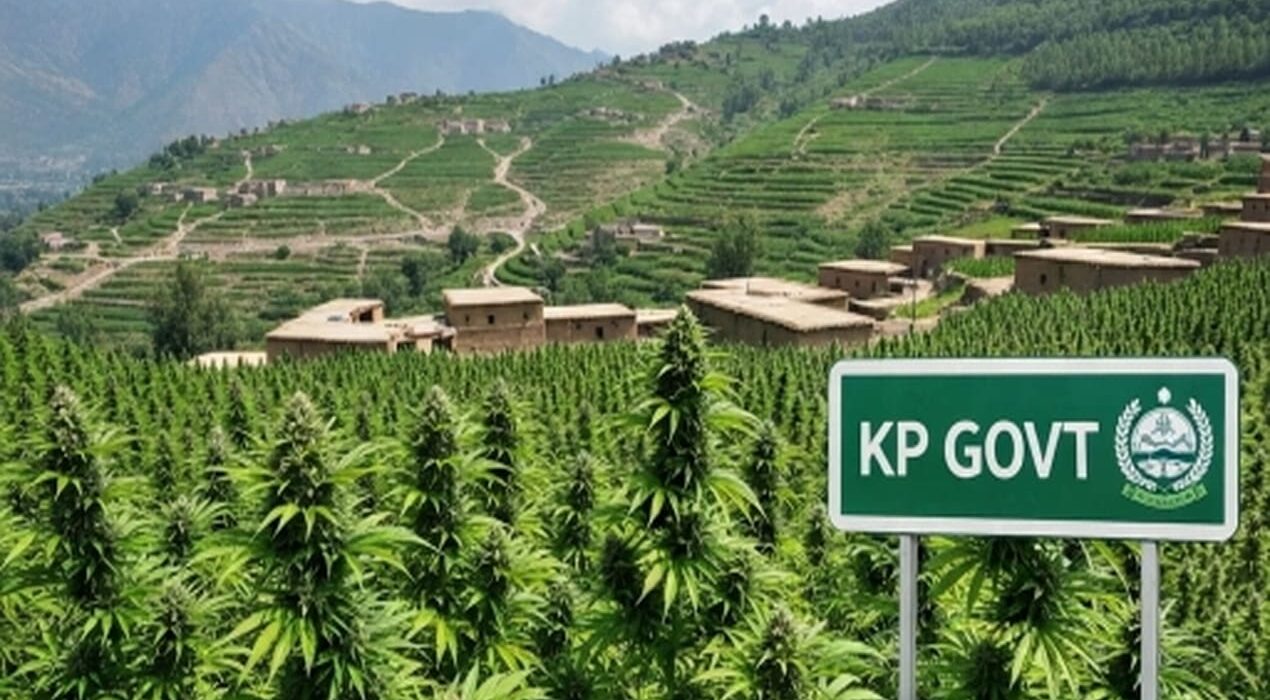
The KP government has approved a major policy shift. It plans to legalise cannabis cultivation across selected districts. This step supports the broader KP cannabis reform agenda.
The decision aims to regulate an industry worth about Rs600 billion annually. However, officials stress the need for tight controls. Therefore, the government wants clear rules from the start.
The Excise and Taxation Department has issued a formal notification. It announced a committee to draft detailed recommendations. As a result, the policy process has officially begun.
Oversight and Licensing
Cannabis currently grows across 295 square kilometres in KP. These areas include Tirah Valley, Orakzai, and Kurram. Together, they produce nearly 3,500 tons of hashish each year.
Under the KP cannabis reform framework, growers will need registration. They will also require valid licences. In addition, cultivation will remain limited to medical and industrial use.
Officials want to bring informal growers into the legal system. This move may improve transparency and accountability. As a result, authorities expect better economic tracking.
The proposed system also focuses on controlled processing. For example, only approved facilities may handle production. Therefore, illegal supply chains could shrink.
Security and Economic Goals
Authorities have raised serious concerns about misuse. A large share of hashish allegedly fuels smuggling networks. Moreover, officials link some profits to terror financing.
Because of these risks, monitoring will play a central role. The government plans strict inspections and digital records. However, enforcement agencies will need added capacity.
At the same time, KP cannabis reform offers economic potential. Legal activity could generate revenue and jobs. In addition, it may support pharmaceutical and industrial research.
The committee will submit its proposals to the provincial cabinet. Once approved, KP will roll out a formal regulatory system. Therefore, implementation may begin soon.
Observers say success depends on balance. Strong rules must protect public safety. Meanwhile, inclusive policies can support lawful farmers.
If managed well, the reform could reshape the sector. It may reduce crime while boosting legal growth. As a result, KP could set a national precedent.