Lab-Grown Human Spinal Cord Heals After Injury, Study Shows
Scientists just achieved something remarkable. They grew a tiny human spinal cord in a lab. Then they injured it and watched it heal. This breakthrough could change everything for paralysis patients. The therapy uses “dancing molecules” to repair damage. Results show real promise for human treatment.
What Makes This Spinal Cord Special
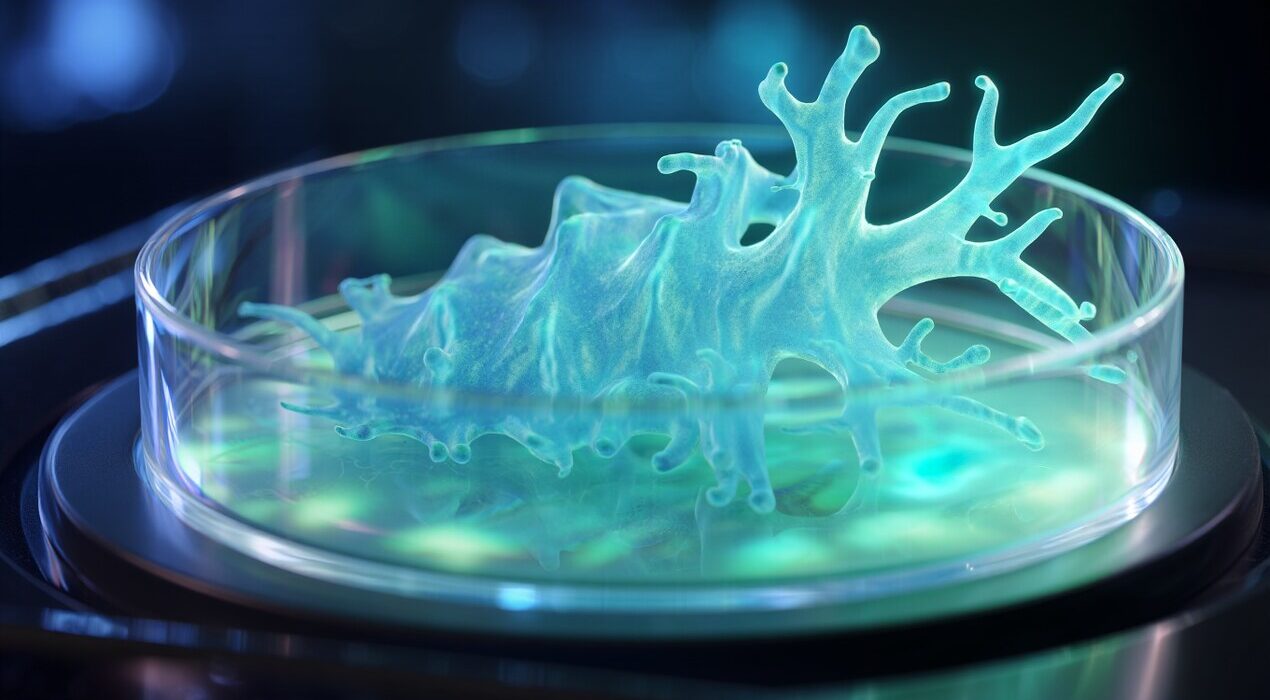
Researchers at Northwestern University created this model. They used stem cells to grow miniature spinal cords. These organoids mimic real human tissue closely. For the first time, they included microglia. These are immune cells in the nervous system. As a result, the model reproduces real injury responses accurately. The organoids showed cell death after injury. They also formed glial scars. This thick scar tissue normally blocks nerve repair.
How Dancing Molecules Work
The therapy first appeared in 2021. It uses specially designed molecules that move rapidly. Scientists call them “dancing molecules” for good reason. Cell receptors are constantly in motion. Fast-moving molecules encounter them more often. Therefore, they trigger stronger healing signals. Doctors deliver the treatment as a liquid injection. It quickly forms a supportive nanofiber web. This structure mimics the spinal cord’s natural environment.
Two Types of Injury Tested
The team created two common injury types. Some organoids received surgical cuts. Others experienced compression like from car crashes. Both injuries produced realistic damage. Glial scars formed exactly as they do in patients. This confirmed the model’s accuracy.
The Healing Results Were Dramatic
After treatment, everything changed. Scar tissue shrank significantly. In some cases, it became barely detectable. Nerve fibers called neurites began growing again. These extensions let neurons communicate. Their regrowth could restore lost function. The treated tissue showed organized neuron patterns. This matters for rebuilding damaged pathways.
Lead researcher Samuel Stupp explains the significance. Testing therapies on human tissue is crucial. Short of clinical trials, organoids are the best option. The results validate what animal studies showed. The therapy has a good chance of working in humans. It recently received FDA Orphan Drug Designation.