Laos Plans First Aquarium in Vientiane to Boost Tourism
Laos is planning its first aquarium in Vientiane. Officials confirmed a feasibility study agreement. The project blends learning, tourism, and environmental care.
The aquarium is more than a visitor attraction. It serves as a long-term national asset. Therefore, students, researchers, and tourists can all learn.
Goals for Education and Conservation
The project has several clear goals. It provides a space for learning about aquatic life. It also supports scientific research and biodiversity studies.
Conservation efforts will focus on endangered aquatic species. The aquarium will attract tourists to Vientiane. As a result, students get a hands-on learning environment.
The idea is simple but powerful. People will observe nature and understand it better.
Location and Investment Details
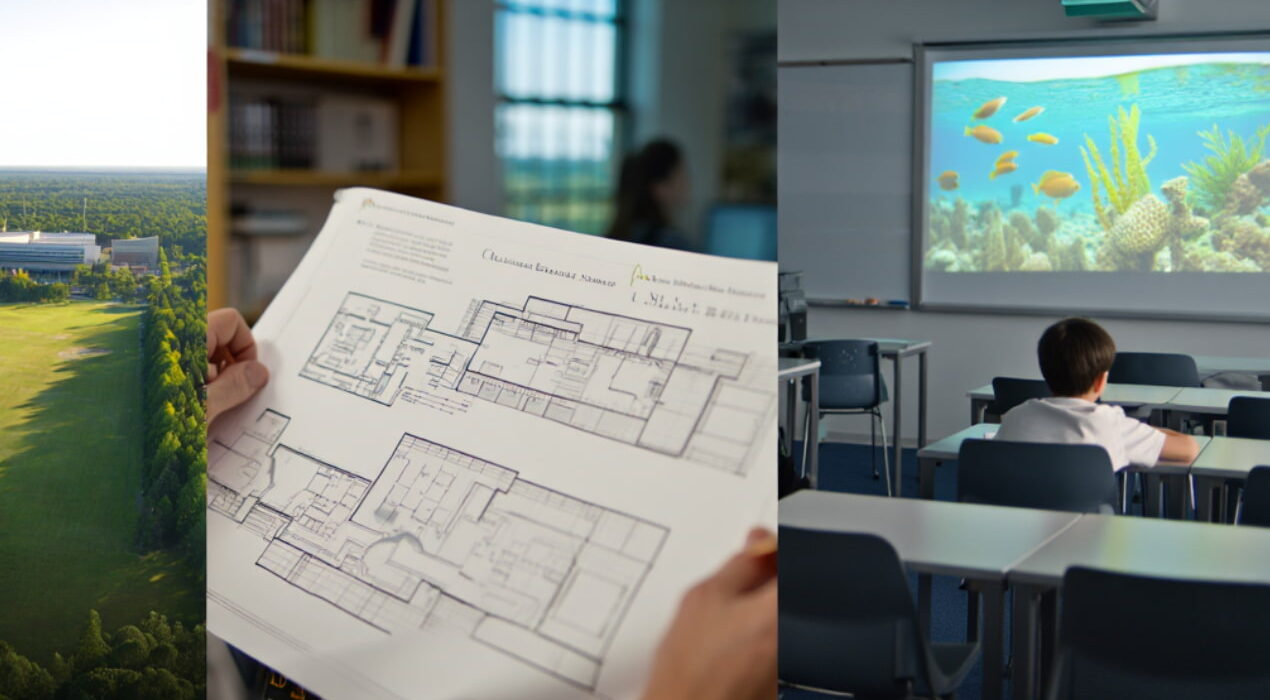
The aquarium will sit on a 38-hectare site. The location is inside the Living Aquatic Resources Research Center Laos. This center already studies fisheries and aquatic environments.
Therefore, research and public education happen side by side. The estimated investment is around USD 10 million. This shows the scale of ambition behind the project.
Tourism Growth and City Development
The project ties into Vientiane’s tourism development plan. The capital wants to expand its visitor offerings. Instead of relying only on cultural landmarks, Vientiane adds educational entertainment.
Visitors can expect interactive exhibits and family-friendly experiences. Consequently, Laos stands out in regional travel news. Countries compete to offer unique, meaningful travel experiences.
Marine Conservation Without a Coastline
A big part of this initiative is marine conservation. Laos takes environmental protection seriously, even without a coast. The aquarium will support awareness programs on aquatic biodiversity.
Research into endangered freshwater species is also planned. Public education on ecosystem protection will follow. Laos has joined global environmental commitments through the High Seas Treaty.
Therefore, Laos thinks beyond its borders on environmental responsibility.
China-Laos Cooperation Supports the Project
International cooperation plays a key role. The Laos-China cooperation project supports technical planning. It also helps with infrastructure development and knowledge sharing.
Through this partnership, Laos gains technical expertise. Training in environmental and scientific management follows. Consequently, the project meets international standards.
The aquarium connects directly to education and skills development. It prepares younger generations for science and conservation careers. Long-term benefits include stronger environmental awareness among students.
Improved access to science-based learning spaces is another gain. Tourism-related employment will also grow. Therefore, Laos invests in thoughtful, future-oriented projects.
In conclusion, the aquarium brings education, conservation, and tourism together. Supported by national and international partners, it represents a coordinated effort. Laos is shaping a new identity built on learning, sustainability, and long-term vision.