Leptospirosis Outbreak Hits Overcrowded Displacement Camps in Gaza**
A dangerous bacterial disease is spreading in Gaza. Displaced families now face an outbreak of Leptospirosis. This illness threatens already vulnerable populations. Press TV correspondent Ghada Ebrahim reports from Gaza City on this emerging crisis.
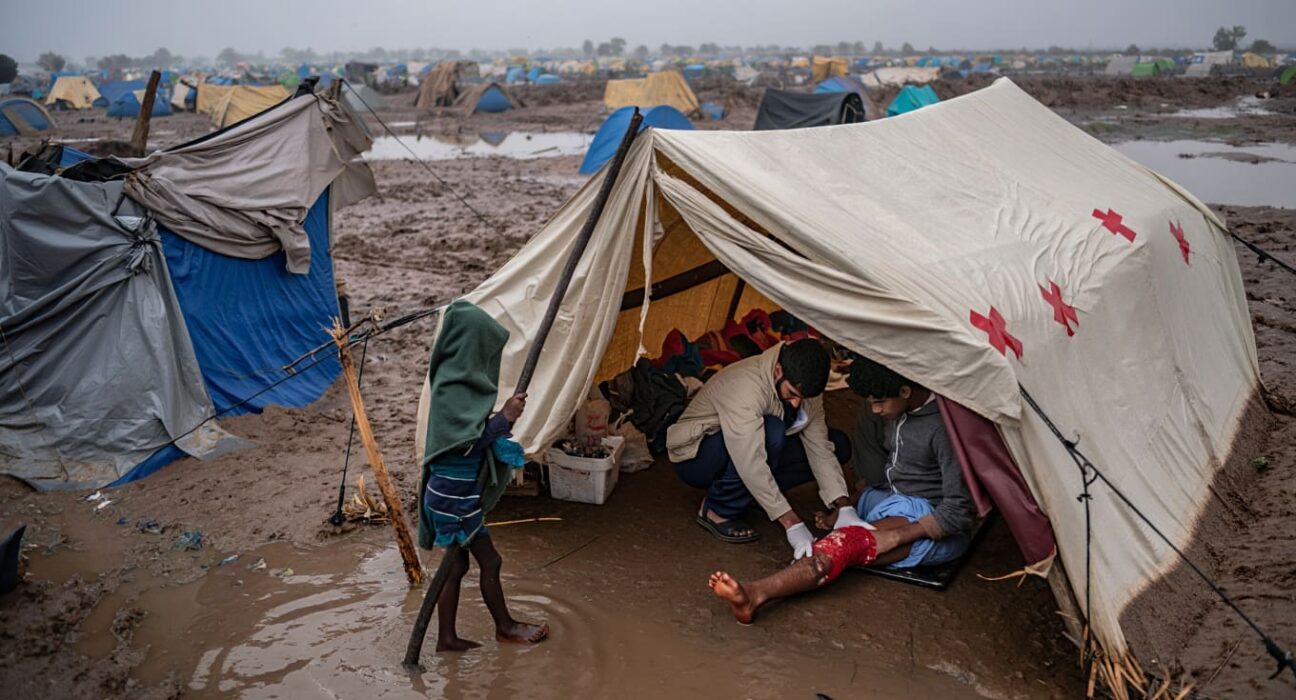
The disease thrives in environments with severe sanitation issues. It is transmitted through contaminated flood water. This water often mixes with rodent droppings. The bacteria enter the body through cuts or open wounds. Children playing barefoot are at particularly high risk.
A Perfect Storm for Disease Transmission
The conditions in overcrowded displacement camps create a perfect storm. Poor sanitation and standing flood water are widespread. These factors allow the bacteria to spread easily. According to the report, medical staff have diagnosed five confirmed cases so far.
Health workers are gravely concerned. They warn that without immediate intervention, case numbers could rise rapidly. The disease can cause severe symptoms. These include high fever, headache, and muscle aches. In serious cases, it can lead to liver damage and kidney failure.
A Crisis Within a Crisis for Gaza’s Children
The report highlights the acute danger to children. They are most exposed to the contaminated environment. Playing in and around flooded areas is common. Many do so without protective footwear. Consequently, they have the highest risk of infection through minor cuts on their feet.
This outbreak adds another layer to the humanitarian emergency in Gaza. Displaced populations already lack adequate shelter, food, and clean water. The spread of infectious diseases like Leptospirosis compounds their suffering. It further strains a healthcare system that is already on the brink of collapse.
International health organizations are monitoring the situation. They stress the need for rapid public health measures. Improving sanitation and providing clean water are critical first steps. Distributing protective footwear, especially for children, is also an urgent priority.