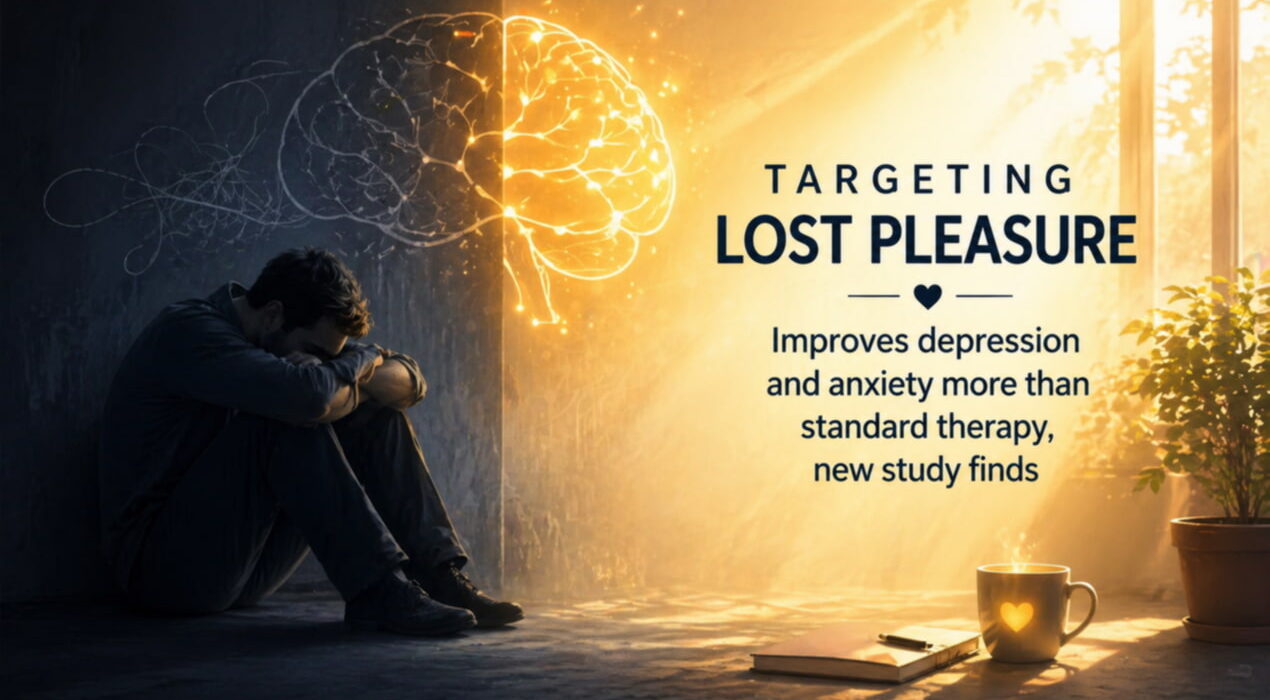
Lost Pleasure Therapy Improves Depression and Anxiety Outcomes
Most people link depression with sadness. However, many patients struggle more with losing positive emotions. This condition, called anhedonia, affects nearly 90% of people with major depression.
Lost pleasure therapy focuses on restoring these missing feelings. As a result, it offers a fresh approach to mental health care. Patients often say they want joy back, not just relief from pain.
Understanding Anhedonia and Its Impact
Anhedonia can make life feel empty and unmotivating. It often leads to longer and more severe illness. In addition, it increases the risk of relapse and suicidal thoughts.
This condition appears in anxiety, PTSD, and other disorders. However, most treatments focus only on reducing negative emotions. Therefore, they fail to address a key part of recovery.
Experts now believe this gap limits progress. People need more than symptom control. They also need to reconnect with meaning and enjoyment.
How Lost Pleasure Therapy Works
Researchers developed lost pleasure therapy to target the brain’s reward system. This system controls how people experience and expect positive events.
The therapy uses simple exercises. For example, it encourages gratitude, connection, and enjoyable activities. As a result, patients slowly rebuild emotional responses.
A recent study showed strong results. Participants improved more than those in standard therapy. In addition, they reported less anxiety and depression.
Why This Approach Matters
This therapy shifts focus from pain to possibility. Instead of only removing negative feelings, it builds positive ones. Therefore, patients feel more motivated to engage.
Experts say restoring joy is essential for recovery. It also helps reduce risks like relapse. Overall, lost pleasure therapy offers a hopeful path forward.