Lung Cancer Risk Test Finds Blood Markers Up to 5 Years Early
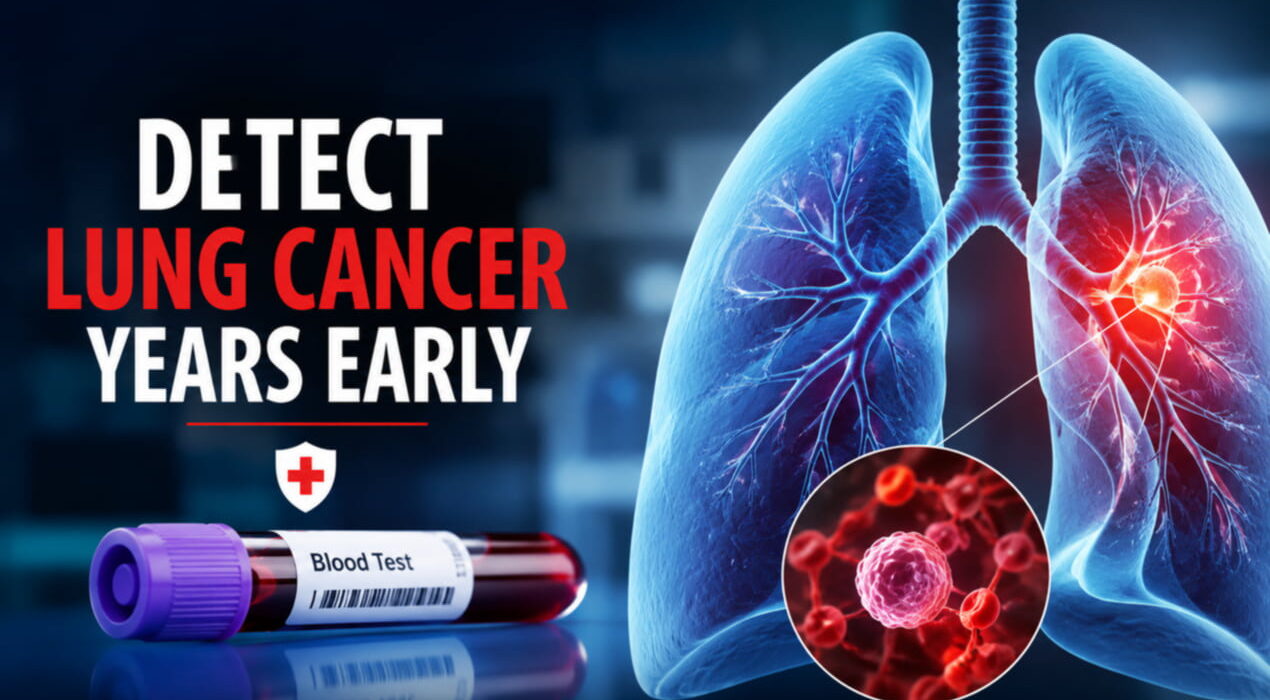
Scientists have identified a blood-based protein signature that may predict lung cancer up to five years before diagnosis. This discovery could shift risk models beyond age and smoking history. Therefore, early detection may become more accurate and inclusive. This approach may also help identify high-risk groups earlier.
Blood Protein Signature Findings
Researchers studied data from over 48,000 UK Biobank participants. They used machine learning to identify 14 key blood proteins linked to future lung cancer. In addition, the model included age, smoking status, and lung disease history. As a result, predictive accuracy improved significantly. Moreover, researchers validated the signature across international datasets. It remained consistent in people later diagnosed with lung cancer.
Inflammation and Cancer Development
The study shows that inflammation plays a central role in early cancer development. For example, air pollution and smoke may trigger harmful immune responses in lung tissue. Scientists found links with COPD and pulmonary fibrosis as shared risk conditions. However, tumors may not be present at this stage. Instead, blood markers reflect early inflammatory changes. This suggests a shared biological pathway before tumor formation. Therefore, inflammation may act as an early warning signal.
Precision Prevention and Future Treatment
Researchers tested the model with IL-1β inhibitor data from a clinical trial. They observed nearly 50 percent lower lung cancer risk in high-risk individuals. Therefore, targeted prevention may work better than broad treatment strategies. Experts say this could support precision prevention in future healthcare systems. In addition, blood tests may guide earlier and more personalized interventions. Overall, the findings highlight a major step toward earlier cancer control. The findings also align with earlier research on immune signaling in cancer. However, larger trials are still required to confirm clinical use. In the future, routine blood screening may become more common. Experts call it promising preventive progress forward