Madrassa Education in Pakistan Deepens Inequality and Fuels Extremism
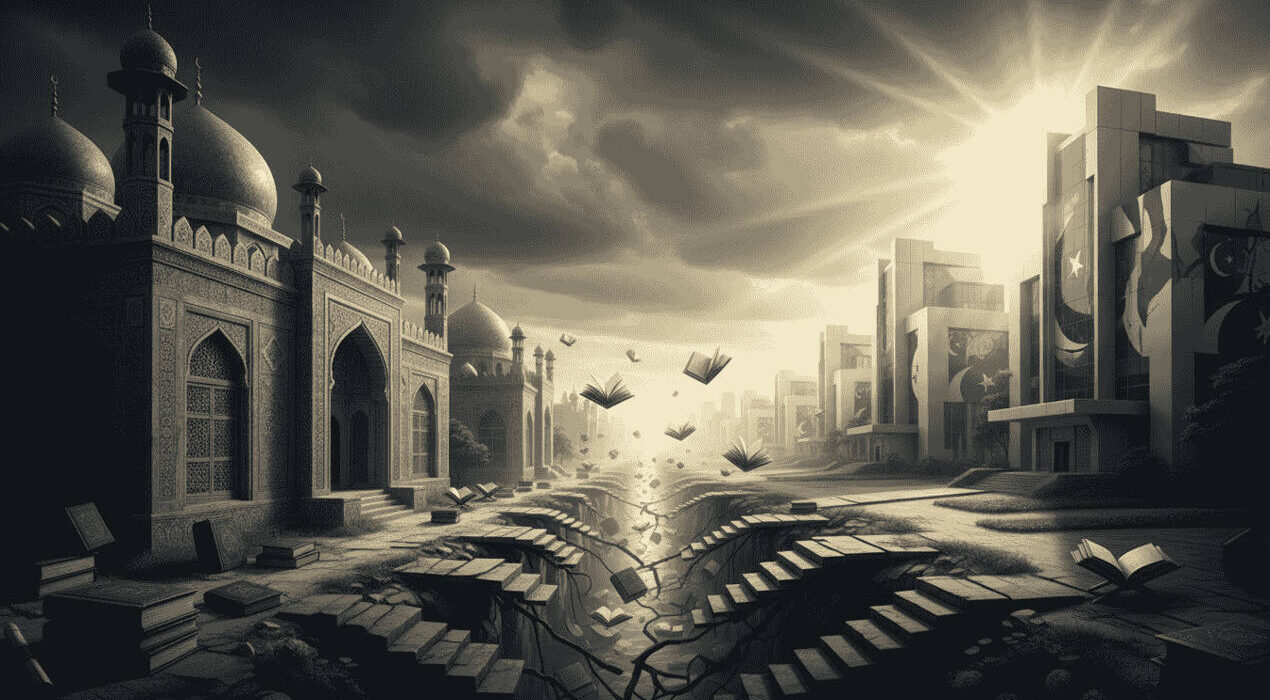
A new report has raised serious concerns about madrassa education in Pakistan, claiming it deepens inequality and nurtures extremism.
According to researchers, many religious seminaries offer limited academic opportunities and isolate students from mainstream education.
The study found that students in these institutions often lack access to science, technology, and modern learning tools.
As a result, graduates struggle to compete in the job market and remain dependent on clerical or low-income work.
Experts Call for Inclusive Reforms
Education experts warn that this gap is creating a two-tier system one for the elite and another for the poor.
In addition, some madrassas promote rigid ideologies, which, according to the report, may contribute to intolerance and radical thinking.
However, the authors stressed that not all religious schools foster extremism.
They acknowledged that several madrassas provide free housing, food, and basic education to underprivileged children.
Therefore, the solution lies not in closing these institutions but in reforming them.
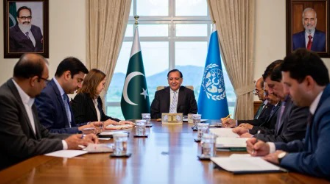
The report urges the government to integrate madrassas into the national education framework.
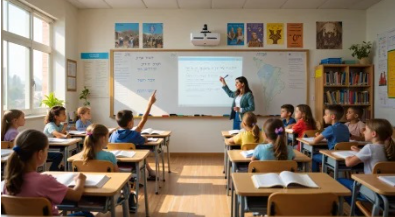
This includes introducing standardized curricula, teacher training, and technology-based learning.
Experts believe such reforms could reduce inequality and help students build productive futures.
Pakistan’s education ministry has yet to issue a formal response.
Meanwhile, social organizations have called for collaboration between religious leaders, educators, and policymakers.
They argue that inclusive education can preserve faith-based learning while preparing students for the modern world.