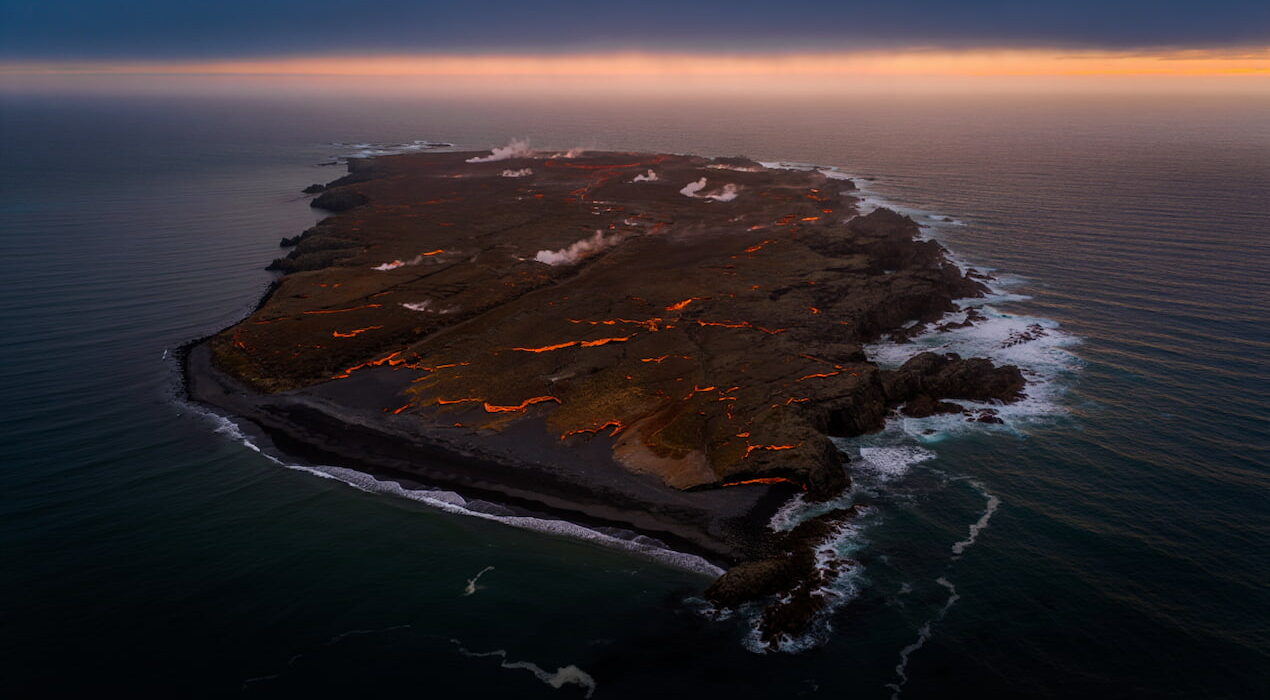
Magma Surge Nearly Erupted Beneath Atlantic Island
In March 2022, thousands of earthquakes shook São Jorge Island. This island is part of Portugal’s Azores. Scientists now know the cause. A massive magma surge Atlantic island rose from deep underground. The molten rock traveled from over 20 kilometers down. It stopped just 1.6 kilometers beneath the surface. As a result, the island narrowly avoided an eruption. The amount of magma was enormous. It could fill 32,000 Olympic swimming pools. “This was a stealthy intrusion,” says lead author Dr. Stephen Hicks. “Magma moved quickly, but much of its journey was silent.”
A Stealthy Underground Surge
The team used seismometers on land and across the seafloor. They also used satellites and GPS. The ground above the volcano rose by about 6 centimeters. That confirmed magma had entered shallow crust. However, the magma never reached the surface. Scientists call this a “failed eruption.”The magma rose through a major fault system. It is called the Pico do Carvão Fault Zone. Instead of one big earthquake, it triggered thousands of small ones.
What Stopped the Eruption?
The fault acted like both a highway and a leak. It helped magma rise quickly. But it may also have let gases escape sideways. That reduced pressure inside the magma. Therefore, an eruption never happened.“The fault acted like both a highway and a leak,” says Dr. Pablo J. González. “It helped magma rise, but may also have prevented an eruption.”This discovery could improve volcano forecasting. Large magma surges can develop fast with little warning. Fault systems strongly influence whether magma erupts or stays trapped. The study shows how combining land and sea data helps assess volcanic threats.