Marineland’s Decline and the Future of Zoo Tourism: Ethics, Change and Survival
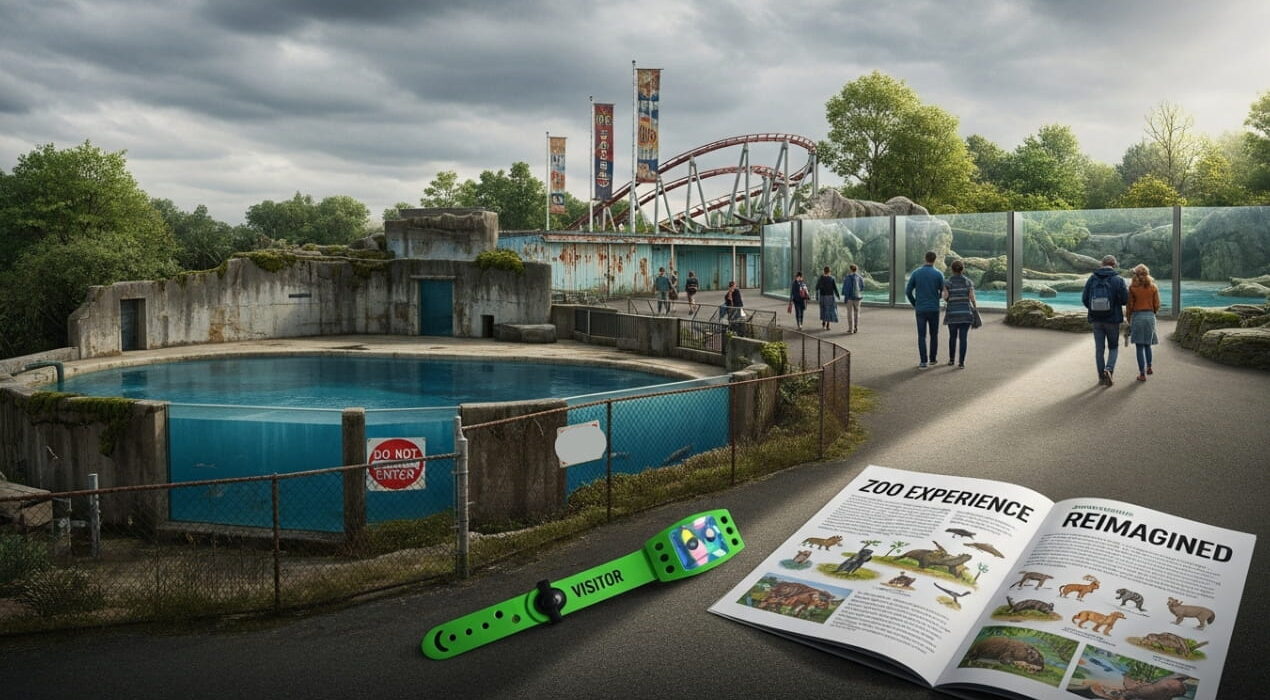
Marineland was once a major marine attraction. Today, it faces falling visitor numbers, financial pressure and strong public criticism. Many people now question the ethics of keeping animals in captivity for entertainment.
This reflects a larger global shift in values. Audiences are demanding more humane, educational and environmentally responsible tourism. As a result, the future of zoo tourism is now under serious debate.
Ethical Concerns and Financial Pressure on Traditional Parks
Visitors expect wildlife attractions to protect animals, not exploit them. They want transparency, ethical treatment and real conservation work. Marineland’s model of marine shows and animal performances no longer fits these expectations.
Running such parks is also expensive. Marine mammals require advanced care, large habitats and trained staff. New laws on animal welfare have increased costs and reduced flexibility. Therefore, many traditional parks are struggling to survive both morally and financially.
Will Zoo Tourism Survive or Transform?
Marineland’s decline is a warning for the wider industry. The future of zoo tourism depends on change. Parks that shift to education, rescue centres, wildlife sanctuaries or virtual nature experiences may thrive in the long term.
Visitors still want to connect with animals, but not at the cost of animal well-being. If parks focus on conservation and ethics, they can rebuild trust. However, those that resist change may face the same fate as Marineland.