Master Key Vaccine May Help Prevent the Next Pandemic, Researchers Say
Scientists have developed a promising master key vaccine approach that could help protect people from future pandemics. Instead of targeting one virus strain, the new method trains the immune system to recognize features shared by many related viruses. Researchers believe this could reduce the need to redesign vaccines whenever new variants appear.
A New Way to Fight Viruses
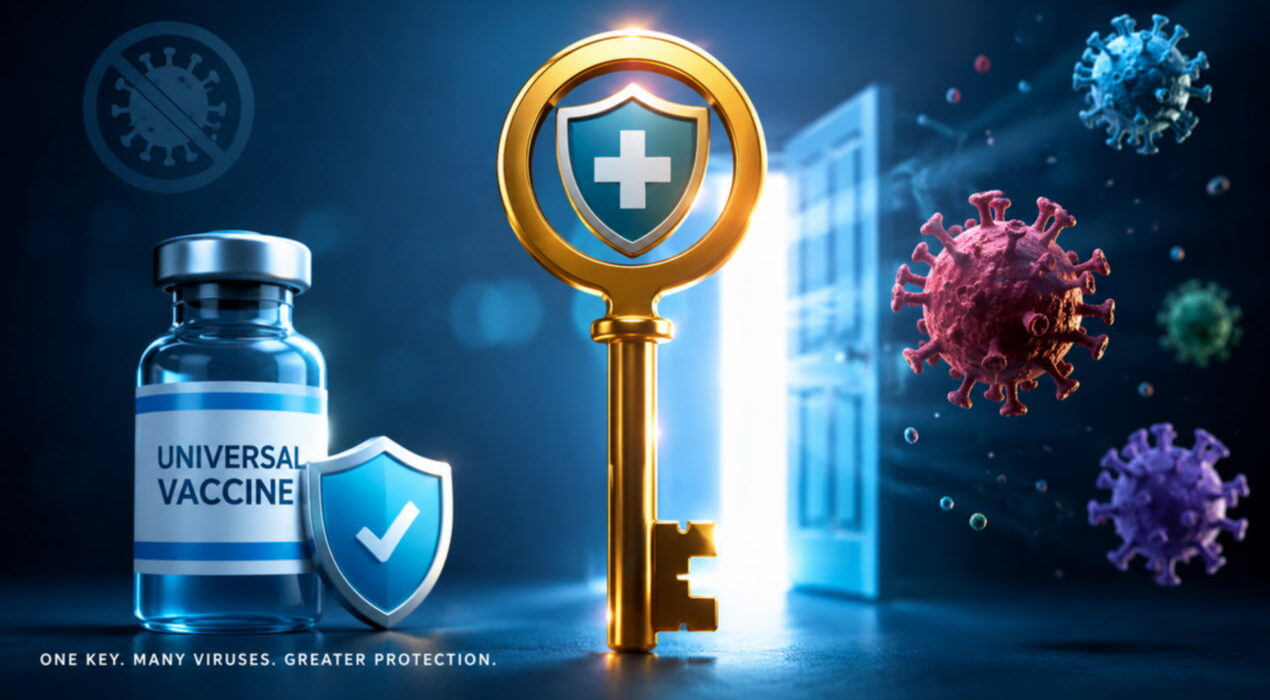
Professor Jonathan Heeney of Cambridge University compared the technology to a “master key” that opens every door in an apartment building. He explained that traditional vaccines target known virus strains. However, viruses often change before people are exposed to them. As a result, existing vaccines must constantly catch up.
To solve this problem, researchers created a vaccine that focuses on parts of viruses that change very little. Therefore, the immune system can recognize a wider range of related viruses. Heeney described the breakthrough as a major shift in vaccine development that could improve protection against future outbreaks.
Lessons from the Ebola Outbreak
The project began after the deadly Ebola outbreak in West Africa between 2013 and 2016. At first, doctors struggled to identify the disease because it resembled other illnesses. Consequently, valuable time was lost before vaccine development could begin.
During those months, Ebola spread rapidly across Guinea, Sierra Leone, and Liberia. According to the World Health Organization, the outbreak killed about 11,300 people. After returning to Cambridge, Heeney and his team decided a faster vaccine strategy was essential.
AI Helps Build Universal Protection
Researchers used early artificial intelligence to compare many viruses at once. The system identified common immune targets instead of focusing on only one variant. In addition, scientists said this method could help respond to new viruses emerging through global travel, population growth, and closer contact with wildlife.
A clinical trial involving 39 volunteers tested the universal Sarbeco coronavirus vaccine. The study, sponsored by University Hospital Southampton and published in the Journal of Infection, found no significant safety concerns. Researchers now hope the master key vaccine approach could change how the world prepares for future pandemics.