Medieval Skeleton Study: Leprosy Stigma Myths Debunked by 939 Bones
Scientists have debunked a famous movie myth about medieval disease. Remember the “bring out your dead” scene from Monty Python? New evidence tells a different story. Researchers examined 939 skeletons from medieval Danish cemeteries. They found something surprising. People with leprosy received proper burials just like everyone else.
Study Finds No Stigma in Burial
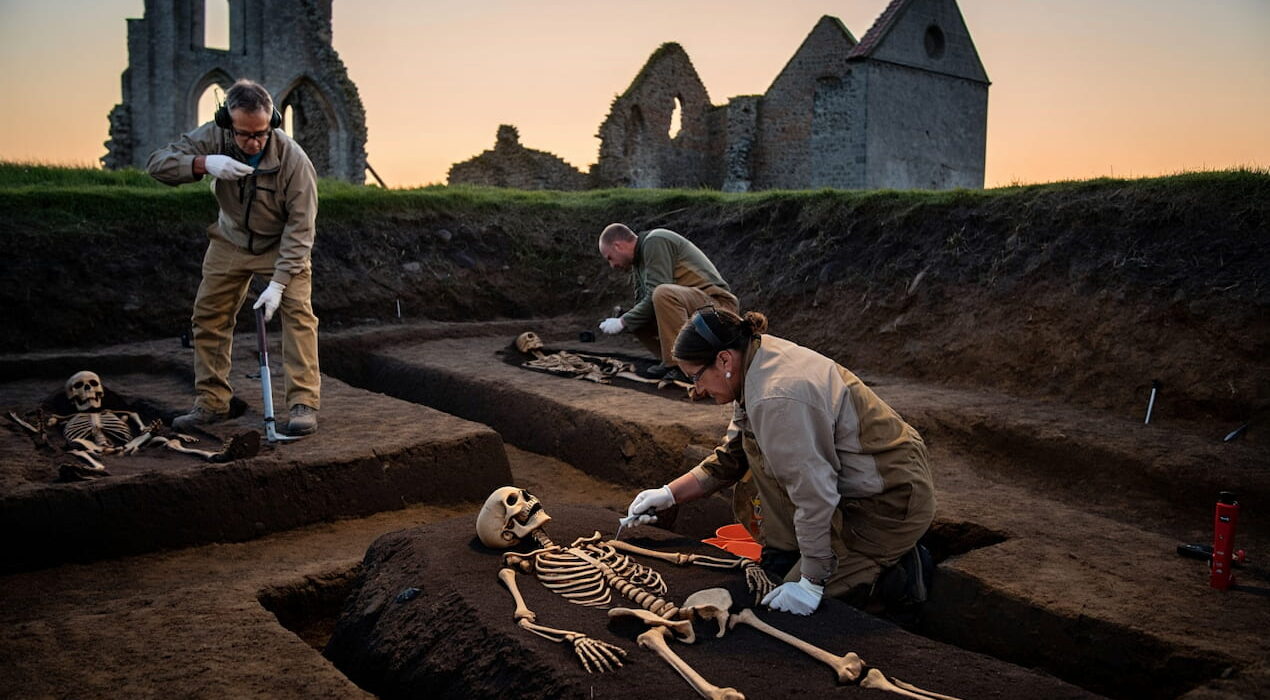
Dr. Saige Kelmelis led the research team. “Monty Python shaped how we view medieval disease,” she says. “But our study reveals a different reality.”The team analyzed skeletons from five cemeteries. Three were in towns. Two were in rural areas. This mix helped them compare different communities.They looked for signs of leprosy and tuberculosis. Both diseases were common in medieval times. Leprosy caused visible facial damage. Tuberculosis often showed no outward signs.Researchers expected to find sick people buried apart. However, the evidence surprised them. Sick individuals rested in prime burial spots. They lay alongside their healthy neighbors.
Urban vs. Rural Patterns
Location made little difference in burial treatment. Town and country cemeteries showed similar patterns. Sick people received equal respect everywhere.The only exception appeared at one urban site. In Ribe, fewer tuberculosis patients lay in high-status graves. However, researchers think exposure explains this, not stigma.”We found no evidence of exclusion,” Kelmelis explains. “Sick community members stayed integrated even in death.”Tuberculosis appeared frequently in high-status areas. At Drotten cemetery, half the burials showed TB signs. Wealthier people likely survived longer with the disease. Therefore, their bones recorded it more clearly.
What This Means
These findings challenge our assumptions about medieval people. They did not always fear or reject the sick. In fact, many communities showed remarkable compassion.Leprosy carried a strong stigma in medieval culture. However, burial practices tell a different story. The visibly ill still received dignified treatment.Researchers caution that more work remains. “We need genomic methods to find all cases,” says Kelmelis. “Some people died before their bones showed disease.”This study appears in Frontiers in Environmental Archaeology. It reminds us that history holds more complexity than movies suggest.