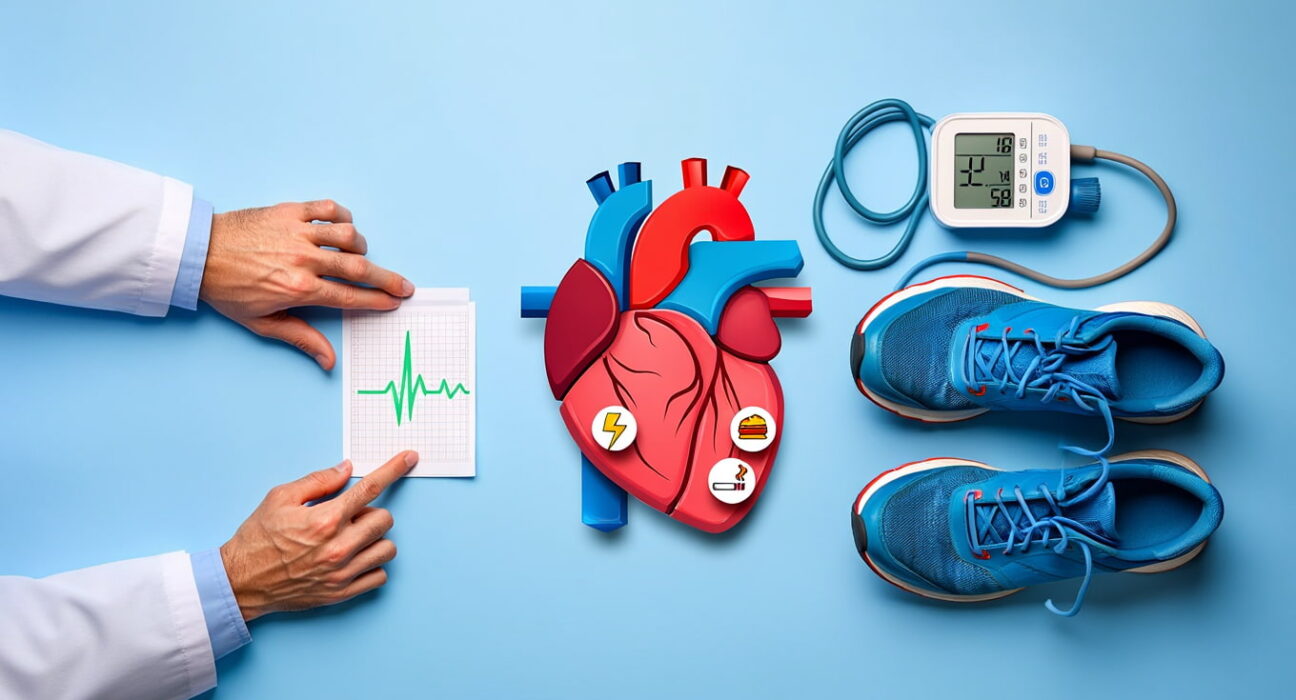
Men Must Pay Closer Attention to Cardiac Health
Heart disease remains a leading cause of death for men globally, and experts emphasize that biology, lifestyle, and awareness gaps create a perfect storm of risk. Cardiologist Dr. Ashraf Ur Rahman from the National Institute of Card vascular Diseases (NICVD) explains that men are naturally more vulnerable from an earlier age. This is because they lack the protective effects of estrogen, a hormone that typically helps women maintain healthier blood vessels and cholesterol levels until menopause.
Dr. Rahman states, “Hormonal protection gives women a head start. Men, without that advantage, face heart-related risks much sooner.” This biological predisposition means that daily habits play a decisive role in long-term heart health.
The Lifestyle Habits That Hurt the Heart
While biology sets the stage, lifestyle choices often determine the outcome. Dr. Rahman points to a dangerous combination common among men: poor diet due to being “always on the go,” irregular sleep, high stress, and addictive habits like smoking. These factors quietly damage the heart over time.
Stress is a major contributor. The financial and emotional pressures many men shoulder can directly lead to hypertension and coronary artery disease. These risks are further intensified by genetics. Men with a family history of heart problems are particularly vulnerable and should begin routine screenings earlier.
Common Conditions and the Danger of Overlooked Symptoms
The most frequently diagnosed conditions in men include coronary artery disease, ischemic heart disease, and hypertension. These often develop silently for years. Dr. Rahman warns that men frequently dismiss minor symptoms, which can be the heart’s way of asking for help.
Key warning signs men should not ignore include:
-Chest discomfort or pain
-Easy fatigue or shortness of breath
-Headaches and swelling in the feet
-Decreased productivity at work
“Many heart attacks could have been avoided if men had sought medical attention earlier,” Dr. Rahman adds.
The Critical Need for Early Diagnosis and Action
One of Dr. Rahman’s strongest messages is the importance of early screening. “Early diagnosis makes a big difference. It can significantly prevent or slow down the severity of heart disease,” he explains. He advises men over 40, especially those with a family history, to undergo annual check-ups. Simple tests like blood pressure measurements, lipid profiles, ECGs, and stress tests can uncover silent risk factors.
Protecting the heart does not require a radical overhaul, but consistent, mindful changes:
-Quit smoking and choose home-cooked meals over processed foods.
Incorporate at least 30-45 minutes of physical activity (like brisk walking or cycling) several times a week.
-Manage stress through exercise, mindfulness, and adequate rest.
Dr. Rahman concludes with a powerful reminder: “Your health is not an expense but an investment. Care for your heart now, and it will take care of you for years to come.”
Meta Description: Men face unique heart risks without estrogen’s protection. A cardiologist explains why early screening, lifestyle changes, & recognizing symptoms are critical for prevention.