Mental Health Crisis Deepens in Pakistan as Suicides and Drug Abuse Rise
A recent conference on mental health has revealed alarming trends about the mental health crisis in Pakistan. Experts warned that nearly 34% of the population struggles with some form of mental illness, while around 1,000 suicides were reported last year. These figures paint a troubling picture of the nation’s psychological well-being.
The 26th International Conference on Mental Illness, held in Karachi, highlighted how economic struggles, social pressure, and recurring disasters have worsened the crisis. Data shared at the event showed that one in every three Pakistanis and one in five people globally suffers from mental health issues. Depression, anxiety, and drug addiction are the most common disorders affecting people today.
Women in Pakistan face growing emotional challenges due to domestic conflicts and a lack of social recognition. Experts explained that limited empowerment and societal pressure increase their risk of depression. Meanwhile, drug abuse among youth, especially the use of ice and other intoxicants, continues to rise, damaging both physical and mental health.
Disasters and Violence Worsen Trauma
Frequent floods, earthquakes, and terrorism have left deep psychological scars. Thousands who lost homes in these disasters still struggle with trauma and uncertainty. Economic instability and security concerns have made young people feel hopeless about their future. However, there are only about 90 psychiatrists for over 240 million people, leaving a massive treatment gap.
Rising Addiction and Suicides
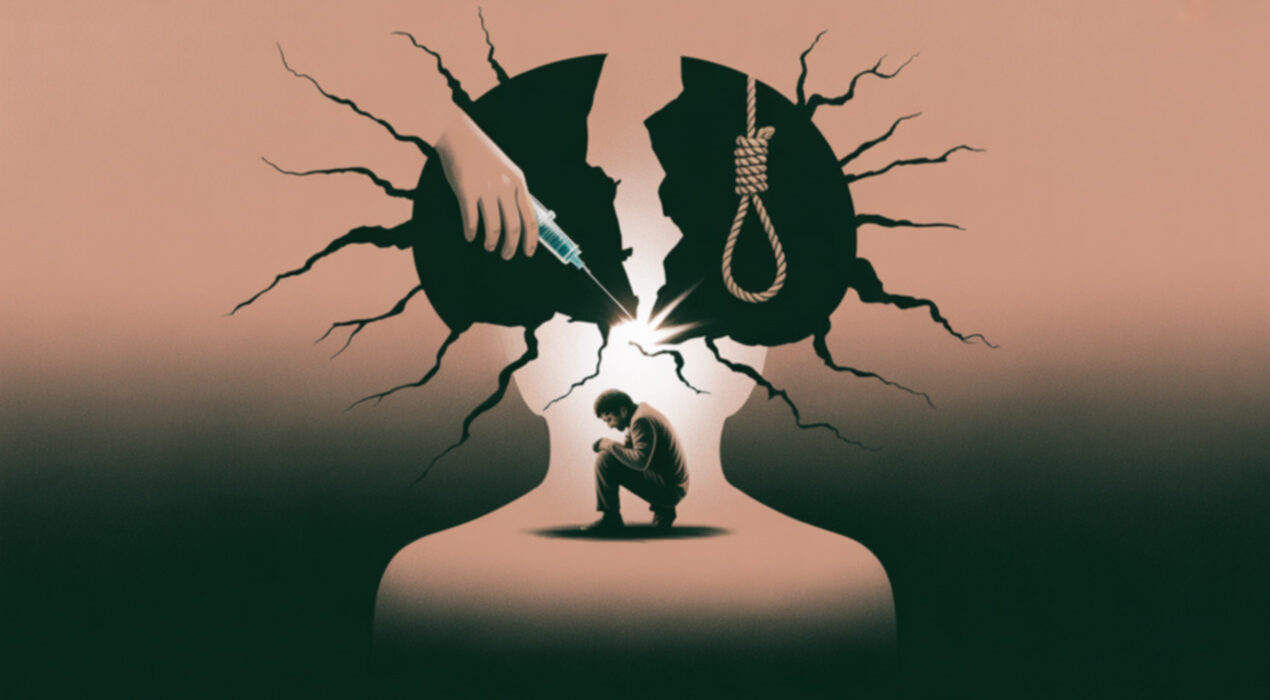
Around 10% of Pakistan’s population is addicted to drugs. Mental distress and untreated disorders led to about 1,000 suicides last year. Experts urged the government to expand counseling services and create awareness campaigns for youth. Addressing mental health challenges is now critical for Pakistan’s future stability and well-being.