Microscopic Droplets Uncover DNA’s Hidden Architecture in Stunning New Study
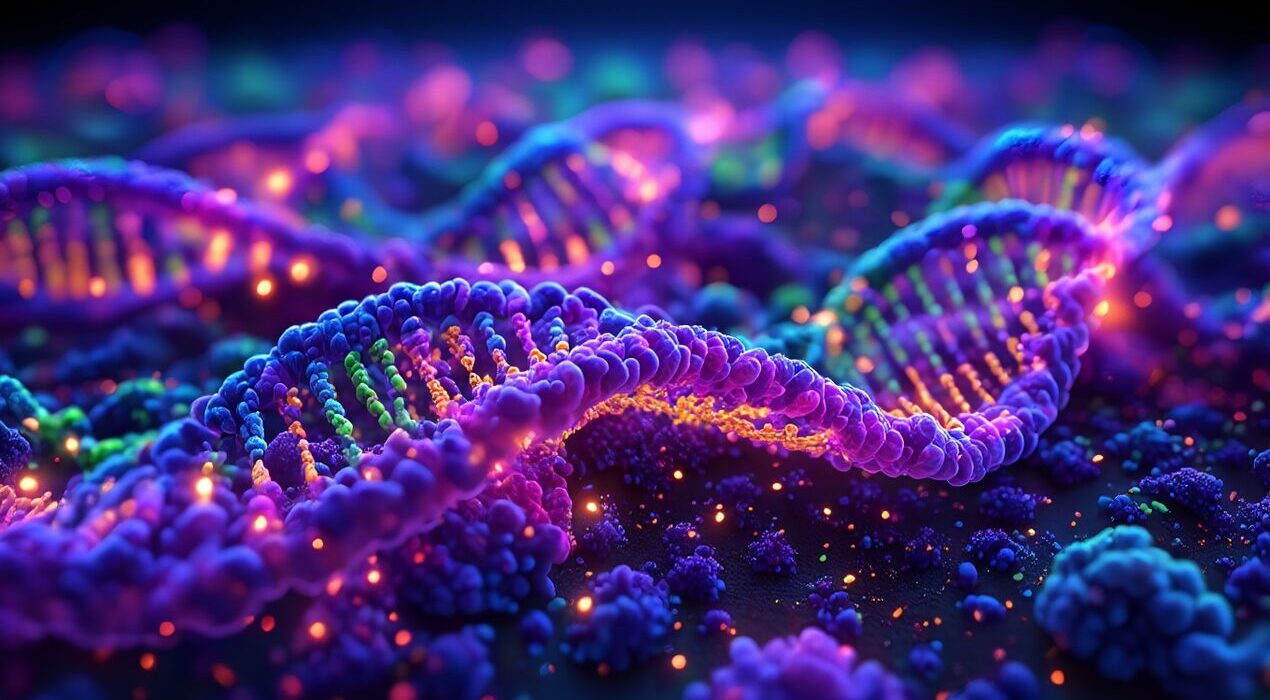
Our DNA stretches about six feet, yet it fits inside a nucleus smaller than a speck of dust. This happens through an elegant packing system. DNA wraps around proteins to form nucleosomes. These nucleosomes link together like beads on a string. As a result, they fold into chromatin fibers that compress even further to fit inside the nucleus.Scientists understood much of this process. However, the final stage of packing remained unclear. That mystery began to unravel in 2019 when researchers discovered that nucleosomes can gather into droplet-like structures called condensates. These droplets form through phase separation, similar to oil separating from water.
Peeking Inside Chromatin Condensates
Chromatin condensates contain thousands of fast-moving molecules. When these molecules work together, they create properties that single parts cannot achieve alone. Therefore, the way they organize helps explain how DNA becomes tightly packed.To study this organization, scientists needed ultra-clear images of nucleosomes inside these droplets. A team led by HHMI Investigator Michael Rosen partnered with experts at UC San Diego, Cambridge, and HHMI’s Janelia Research Campus. Together, they produced the most detailed images ever captured of synthetic condensates. They then applied the same approach to real cells.
What the New Imaging Reveals
Advanced imaging combined with computer simulations showed how nucleosomes arrange themselves inside droplets. One major finding stood out. The length of the linker DNA between nucleosomes controls how chromatin fibers connect. In addition, it shapes the internal structure of the condensates.These patterns also explain why some forms of chromatin separate more easily than others. Interestingly, the synthetic droplets closely matched the packed chromatin found inside cells.
Why This Discovery Matters
This research offers a new framework for understanding many types of cellular condensates. These structures affect gene activity and stress responses. When condensation fails, it may contribute to conditions such as cancer or neurodegenerative diseases. Therefore, understanding these droplets could guide future therapies.