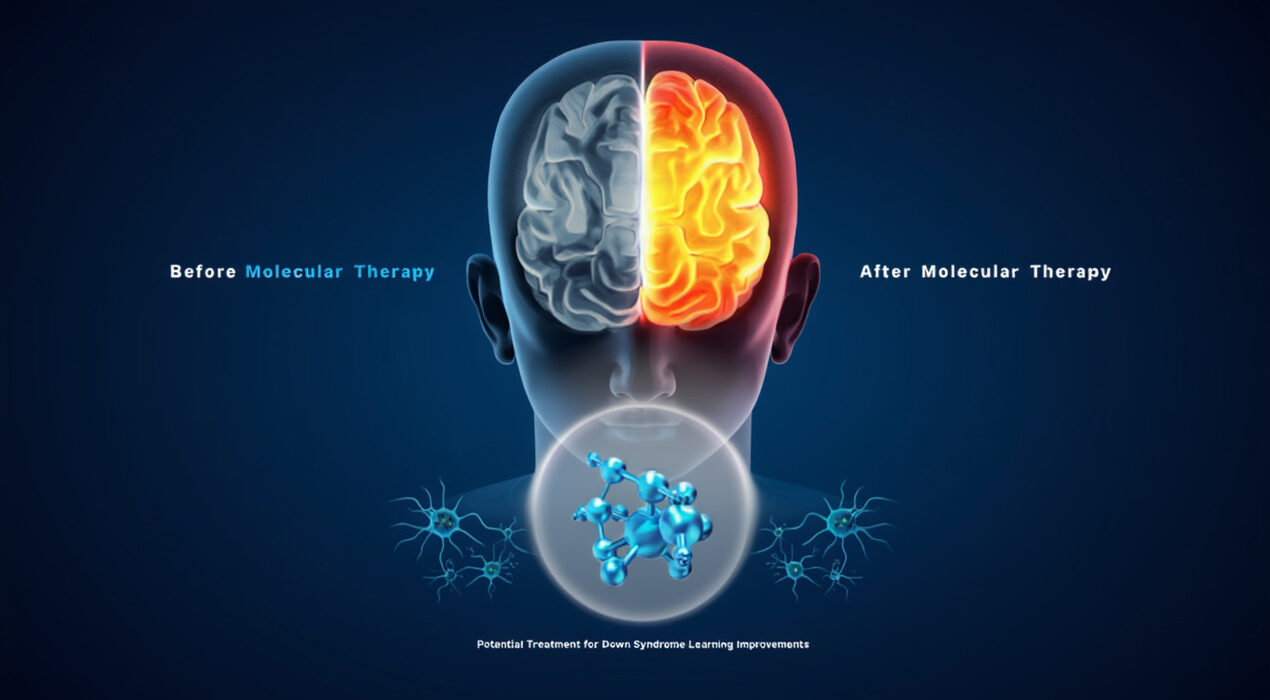
Missing Brain Molecule May Improve Cognition in Down Syndrome
Researchers found that people with Down syndrome often lack a key brain molecule. This deficit may affect thinking and memory. As a result, scientists are eager to explore new ways to support cognition.
What this molecule does
The brain molecule helps support nerve-cell communication. It also plays a role in learning and memory formation. Therefore, when the molecule is missing or low, the brain may struggle with processing information.
How this relates to Down syndrome
Individuals with Down syndrome frequently show delays in cognitive development. For example, they may learn new skills more slowly or recall information less easily. In addition, the absence of the molecule may make these tasks even harder.
What researchers did
Scientists compared brain-tissue samples from people with Down syndrome to those without the condition. They measured levels of the molecule and found a consistent deficit in the Down syndrome group. Next, they studied how restoring the molecule could impact brain function.
If the missing molecule can be safely boosted, it might improve learning, memory and daily thinking skills. For people with Down syndrome, this could open doors to more effective therapies. Moreover, the research highlights new directions beyond existing treatments.
Researchers now plan clinical trials to test if boosting this molecule helps real-world cognition. However, these studies may take years before results apply to everyday care. Meanwhile, families and caregivers should stay informed and engage with healthcare professionals.