Morocco Approves New Dakhla Technology School to Boost Higher Education
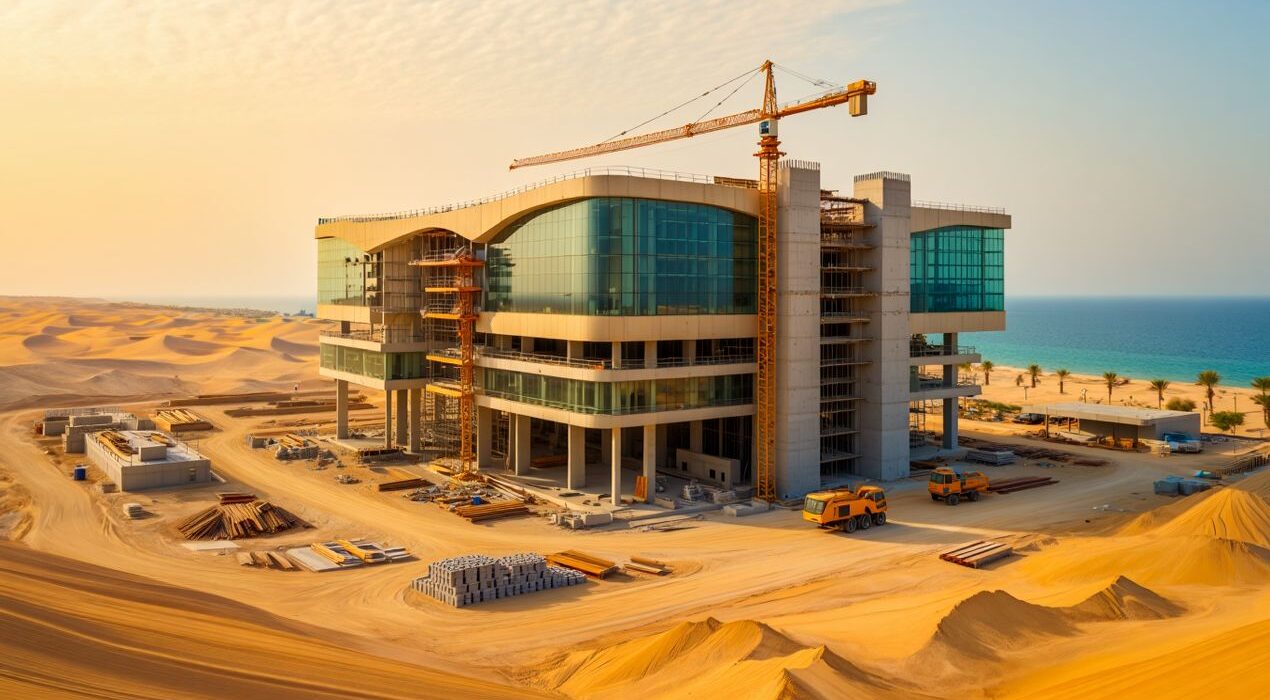
Morocco has taken an important step toward improving higher education in the southern regions. The government signed a major partnership agreement to build the Dakhla technology school, which will offer advanced training in cutting-edge fields. The project supports the Royal vision for stronger development in the southern provinces.
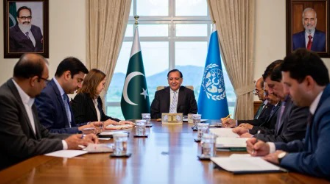
The agreement brings together national and regional leaders. It includes the Minister of Higher Education, the Wali of Dakhla-Oued Eddahab, the President of the Regional Council, the President of Ibn Zohr University, and the Director General of the local development company. Their collaboration shows a shared commitment to expanding learning opportunities. In addition, the project aims to strengthen scientific research and innovation.
A Major Boost for Regional Education
The new school will focus on advanced technologies, artificial intelligence, robotics, and digital systems. As a result, students will gain skills that match the needs of the modern job market. This approach also supports local competitiveness, which is becoming more important each year.
The total project cost is MAD 100 million, with MAD 20 million funded by the Regional Council. The local development company will supervise the technical studies, construction, and all follow-up work. This structure ensures that the project remains on track and meets regional goals.
Supporting Youth and Regional Growth
Once completed, the Dakhla technology school will expand engineering programs and help raise the region’s academic profile. It will also support research and innovation, which many experts consider essential for long-term progress. Furthermore, it will give young people access to high-quality education close to home.
This initiative aligns with Morocco’s wider strategy to strengthen development in the southern regions. Recent examples include the new ENCG in Dakhla and the medical school in Laayoune. These investments allow students to pursue opportunities without relocating to distant cities.