Mosquito Attraction Study Explains Why You Get Bitten
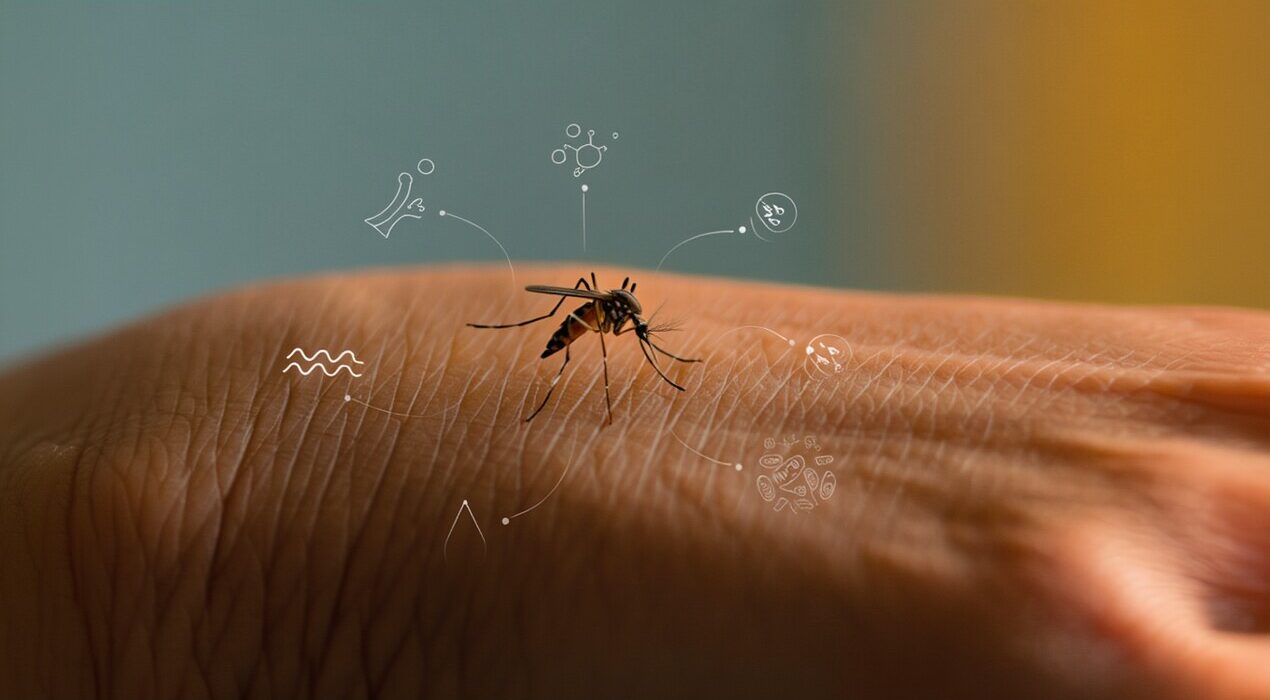
The mosquito attraction study shows why certain people attract more mosquito bites. Scientists tracked insect movement using advanced tools. As a result, they discovered how mosquitoes locate humans with precision.
Mosquitoes Detect Humans
Researchers from Georgia Institute of Technology and Massachusetts Institute of Technology analyzed mosquito behavior in detail. They used 3D infrared cameras in controlled environments. In addition, they gathered nearly 20 million data points.
The study focused on Aedes aegypti, a known disease carrier. These insects spread illnesses like malaria and Zika. Therefore, understanding their behavior supports better prevention.
Scientists found mosquitoes act independently rather than following each other. Instead, they respond to shared signals such as carbon dioxide and visual cues. For example, dark colors attract them more strongly. However, carbon dioxide helps them detect targets from a distance.
When both signals combine, the attraction becomes much stronger. Mosquitoes gather quickly and remain longer. As a result, the risk of bites increases.
Practical Steps to Reduce Bites
The mosquito attraction study also highlights common target areas on the body. Tests show mosquitoes cluster around the head and shoulders. These areas release stronger signals, making them easier to locate.
Researchers suggest improving traps using combined cues. For instance, pairing light with carbon dioxide increases effectiveness. In addition, using signals at intervals may enhance results.
This research offers useful insights for everyday protection. It can guide better prevention strategies and reduce disease risk. Ultimately, these findings help people stay safer and more informed.