NAB Jurisdiction Proposal Could Keep More Corruption Cases Open
Pakistan’s NAB jurisdiction proposal could change how corruption cases are handled across the country. The National Accountability Bureau is reviewing a legal interpretation that may keep many ongoing cases within its jurisdiction. As a result, investigations that appeared close to ending could continue under the revised policy.
NAB Plans Inflation-Based Loss Calculation
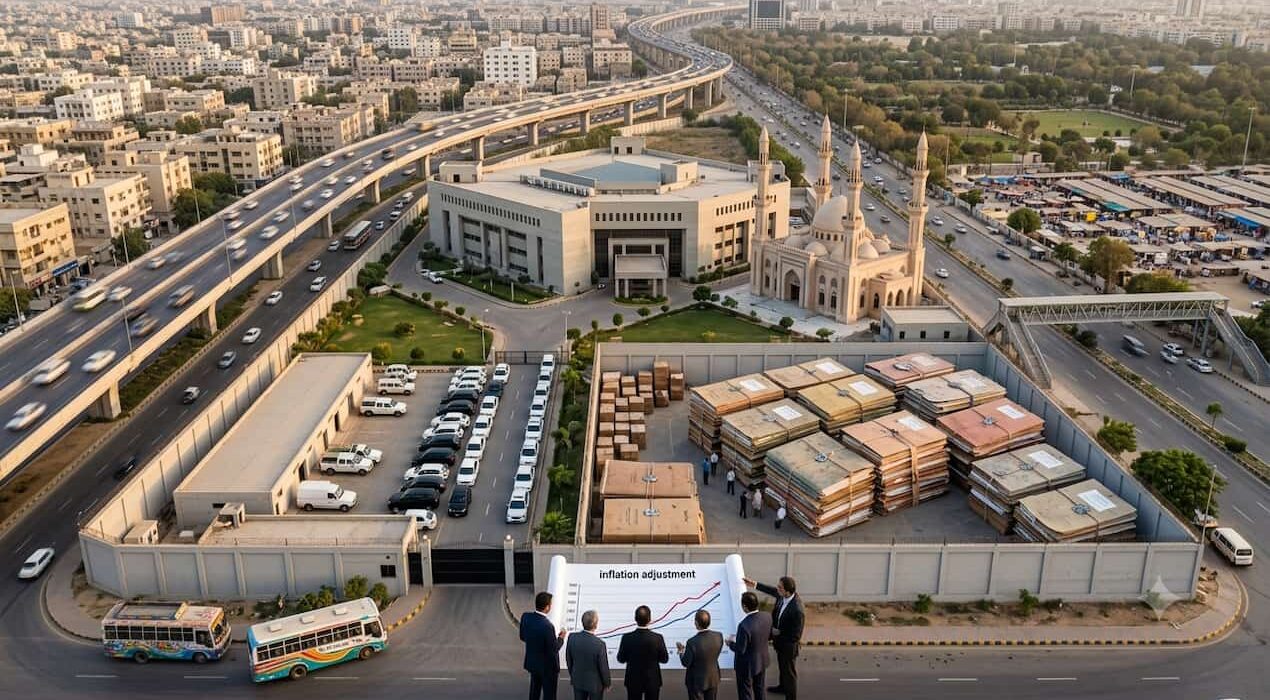
The proposal focuses on the value of alleged financial losses. Instead of using the original amount, NAB may adjust the figure for inflation. Therefore, officials would compare the updated value with the current financial threshold.
Earlier, NAB handled corruption cases involving at least Rs. 500 million. However, amendments linked that threshold to inflation. Today, officials estimate the limit has increased to nearly Rs. 800 million.
The proposed policy applies the same inflation formula to the alleged financial loss. If the updated value exceeds Rs. 800 million, NAB could continue the case. In addition, officials believe this method reflects the true present-day impact of financial crimes.
Supporters also argue that inflation adjustments should not benefit only the accused. They say the financial losses suffered by the government, public institutions, and taxpayers should also reflect today’s economic value. Consequently, the proposal aims to create a more balanced legal approach.
Legal Experts Expect Court Challenge
The proposal comes after amendments to the National Accountability Ordinance linked NAB’s financial threshold to inflation data from the Pakistan Bureau of Statistics. However, legal experts believe courts will closely examine this interpretation if anyone challenges it.
Judges may decide whether inflation applies only to NAB’s jurisdiction threshold or also to alleged financial losses. Therefore, the courts could play a key role in the proposal’s future.
Meanwhile, NAB has not made a final decision. Senior officials continue to review the proposal before placing it before the Executive Board Meeting. If approved, the policy could affect many pending corruption investigations and shape future accountability cases across Pakistan.