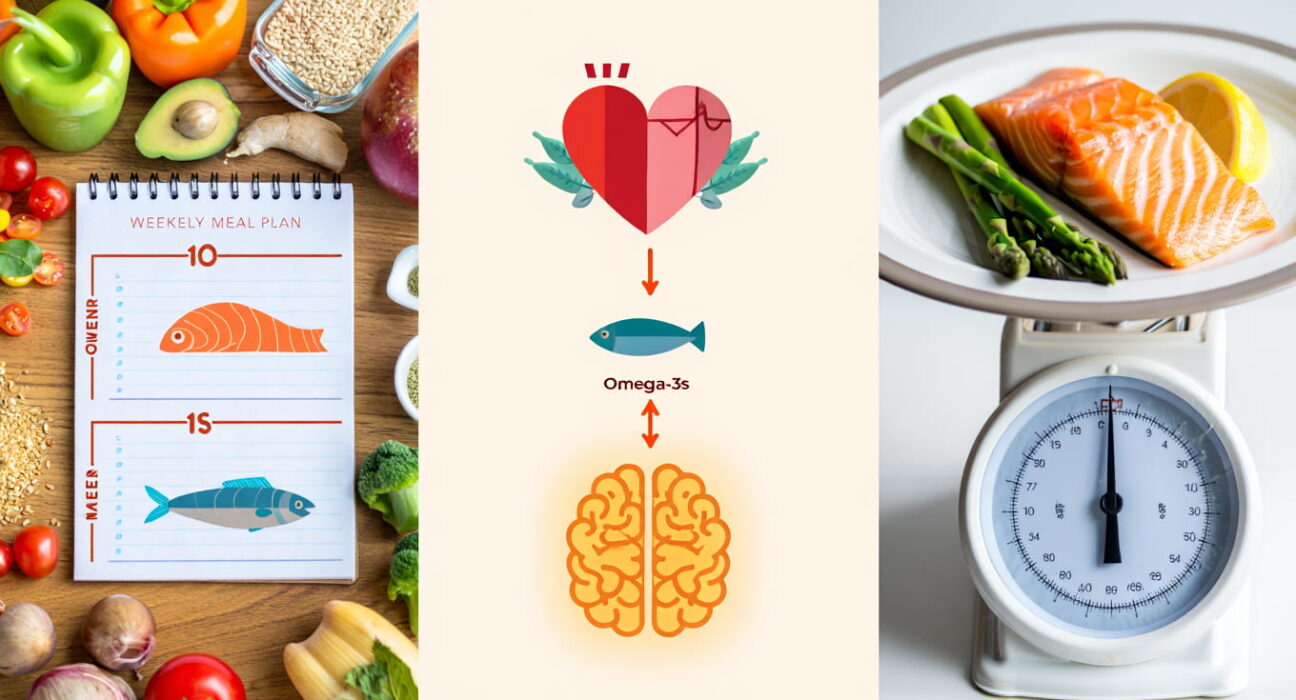
New Dietary Guidelines Spotlight Fish: A Key Ingredient for Heart and Brain Health
A major new review of nutritional science is casting a spotlight on the powerful benefits of including fish in your weekly diet. Leading health organizations are now reinforcing recommendations that regularly consuming fish can significantly boost heart health, support brain function, and contribute to overall wellness. The key is knowing which types to choose and how much to eat.
Fish is a nutritional powerhouse, packed with high-quality protein and a host of vital nutrients. However, its most celebrated components are omega-3 fatty acids (EPA and DHA). These essential fats are not produced by our bodies in sufficient amounts. Therefore, we must obtain them from our diet, and fatty fish are one of the very best sources available.
The Proven Health Benefits of Regular Fish Consumption
Consistent intake of fish, particularly fatty varieties, is linked to multiple evidence-based health advantages:
Heart Health Champion: Extensive research shows that eating fish regularly can lower the risk of heart attacks and strokes. Omega-3s help reduce inflammation, decrease triglycerides (a type of fat in the blood), and may slightly lower blood pressure. They also help prevent the formation of harmful blood clots.
Brain and Cognitive Champion: DHA is a critical structural component of the brain. Adequate intake is vital for brain development in infants and is associated with maintaining cognitive function as we age. Some studies suggest a potential link between fish consumption and a lower risk of cognitive decline.
Essential Nutrient Source: Beyond omega-3s, fish provides a wealth of other nutrients. It is an excellent source of vitamin D, which many people are deficient in, and vitamin B12. It also provides minerals like iodine, crucial for thyroid function, and selenium, a powerful antioxidant.
How Much Fish Should You Eat? Official Guidelines
Major health authorities agree on clear, simple recommendations for fish intake. The consensus is that the benefits far outweigh the risks for the vast majority of people.
For the General Public: The American Heart Association and dietary guidelines from several countries, including the U.S., recommend eating at least two servings of fish per week. One serving is typically defined as 3.5 ounces (about 100 grams) of cooked fish, roughly the size of a checkbook or the palm of your hand.
At least one of your weekly servings should come from “fatty” or “oily” fish. These varieties are richest in omega-3s. Excellent choices include salmon, mackerel, sardines, trout, herring, and albacore tuna.
Navigating the Mercury Question and Making Smart Choices
A common concern about fish consumption is exposure to mercury, a heavy metal that can accumulate in certain large, long-lived predatory fish. However, experts emphasize that the health benefits of eating a variety of fish outweigh the risks for most adults.
Choose Low Mercury Options: To minimize mercury intake, favor fish that are lower on the food chain. Salmon, shrimp, canned light tuna, pollock, and catfish are generally low in mercury.
Limit High-Mercury Fish: It is advised to limit consumption of fish with higher mercury levels. These include shark, swordfish, king mackerel, and tilefish. Pregnant women and young children are given specific, more cautious guidelines.
Where possible, consumers are encouraged to consider choosing fish from sustainable sources. Look for certifications from organizations like the Marine Stewardship Council (MSC) to support healthy ocean ecosystems.
Incorporating two servings of fish into your weekly meal plan is a simple, delicious, and scientifically-backed strategy for investing in your long-term health.