New Prison Education Bill Filed to Expand Learning Opportunities
Lawmakers have filed a new prison education bill. The proposal focuses on expanding learning programs for incarcerated individuals. Officials say education can support rehabilitation and skill development. As a result, the bill has drawn public attention.
Focus on Skills and Rehabilitation
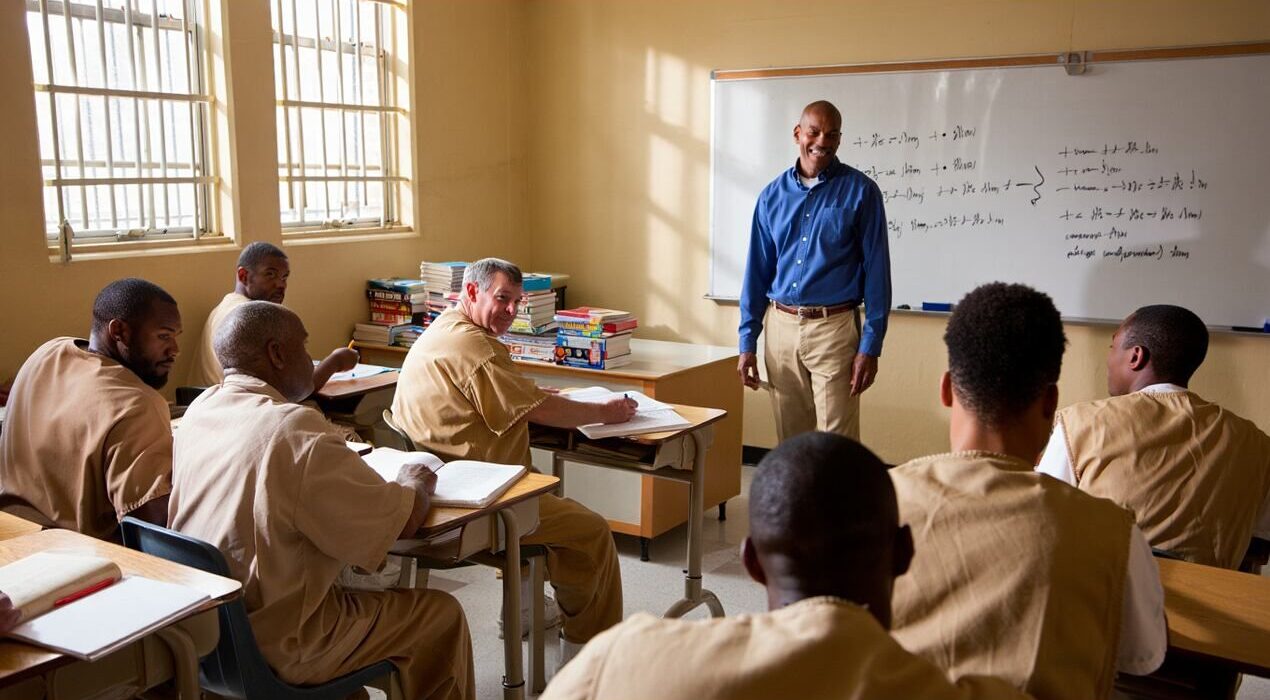
The bill encourages vocational and academic courses inside correctional facilities. Supporters believe structured learning reduces repeat offenses. In addition, education often improves confidence and communication skills. Therefore, many advocates view the proposal as a long-term investment. Programs may include literacy classes and technical training. For example, digital skills and certification courses could open future job pathways. These options aim to prepare individuals for reintegration into society. Practical education can create new opportunities after release.
Mixed Reactions From Stakeholders
Community groups and educators have shown support for the initiative. They highlight the social benefits of rehabilitation programs. However, some critics question funding priorities. Concerns often focus on cost and resource allocation.
Policy experts recommend careful budgeting and transparency. Clear performance metrics can measure program success. In addition, regular evaluations may improve accountability. These steps can build public trust over time.
Looking Ahead
Legislators plan committee discussions and public hearings soon. Feedback from educators and justice officials will shape the final draft. Consequently, amendments may appear before approval. Open dialogue remains essential for balanced policymaking. Overall, the prison education bill signals a shift toward rehabilitation strategies. Education inside correctional facilities continues to gain support. With thoughtful planning and evaluation, the initiative could influence long-term social outcomes and workforce readiness.