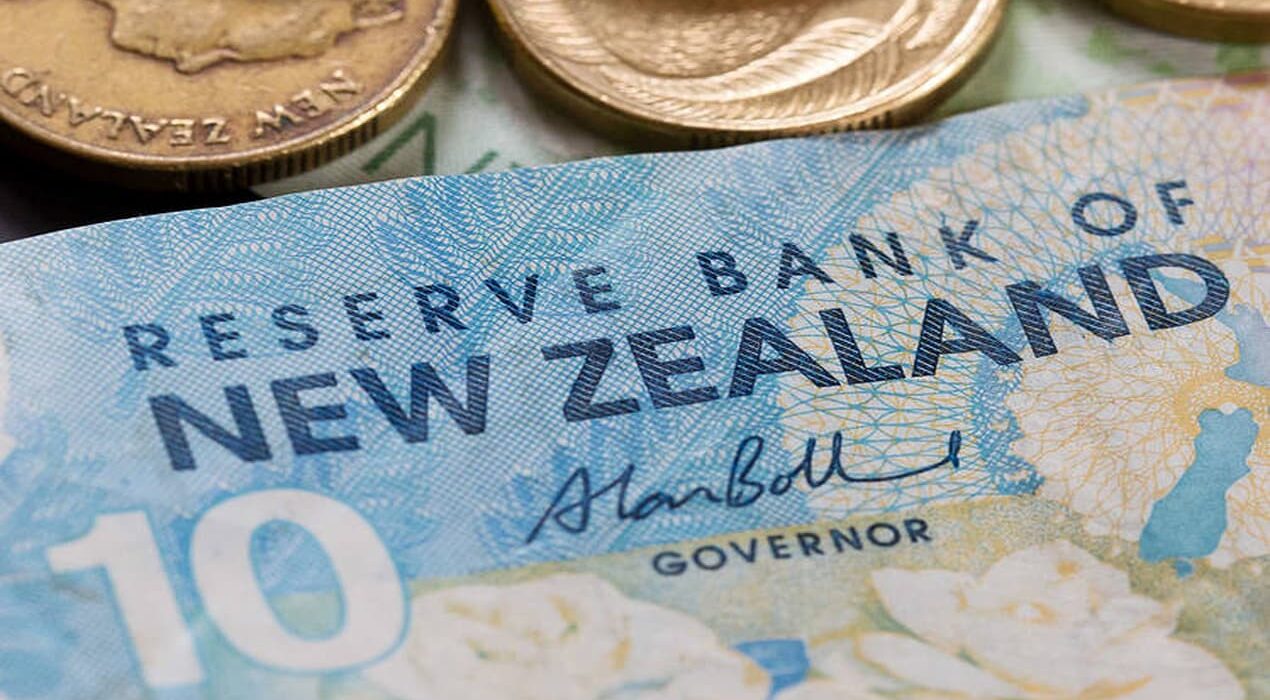
New Zealand Rate Hike Signals Caution Over Inflation Risks
The New Zealand rate hike has drawn global attention this week. The Reserve Bank of New Zealand raised interest rates to control inflation. However, policymakers signaled caution about future moves. The central bank increased the official cash rate by 25 basis points. As a result, the rate now stands at 2.5%. Officials aim to manage rising inflation pressures across the economy.
Inflation Risks Remain Uncertain
Policymakers noted that inflation risks still lean upward. Therefore, further rate increases may happen in upcoming meetings. However, the exact timing remains unclear. Two committee members highlighted stronger inflation concerns. In addition, global factors continue to influence local price trends. For example, falling oil prices may ease inflation pressures. Some experts believe the bank may delay its next move. They suggest waiting for clearer economic signals. As a result, markets remain divided on future policy steps.
Market Reaction and Currency Moves
Currency markets reacted cautiously to the decision. The New Zealand dollar stayed mostly stable after the announcement. However, it faces resistance in the near term.
Meanwhile, the Australian dollar showed slight gains. It benefited from weakness in the Japanese yen. As a result, the Aussie reached a short term high against the yen. Investors continue to watch central bank signals closely. Therefore, any shift in tone could impact currencies quickly. Market sentiment remains sensitive to global developments.
Analysts Expect Different Scenarios
Analysts outline both cautious and aggressive scenarios. A delayed move could push swap rates lower. In addition, it may weaken the New Zealand dollar slightly. On the other hand, a stronger stance could lift rates further. As a result, the currency may gain momentum. However, this depends on inflation trends in coming months. The Reserve Bank of Australia also remains in focus. It is expected to hold rates steady in its next meeting. Therefore, regional policy differences may influence currency flows.
Outlook Ahead
The New Zealand rate hike reflects a careful approach to inflation control. Policymakers want flexibility in uncertain conditions. As a result, future decisions will depend on incoming data. Global events will also shape the outlook. For example, changes in oil prices can affect inflation quickly. Therefore, markets will track both domestic and international signals. Overall, the central bank aims to balance growth and price stability. The coming months will reveal whether further tightening is needed.