NICVD Reaches 500 Milestone in Specialist Child Care
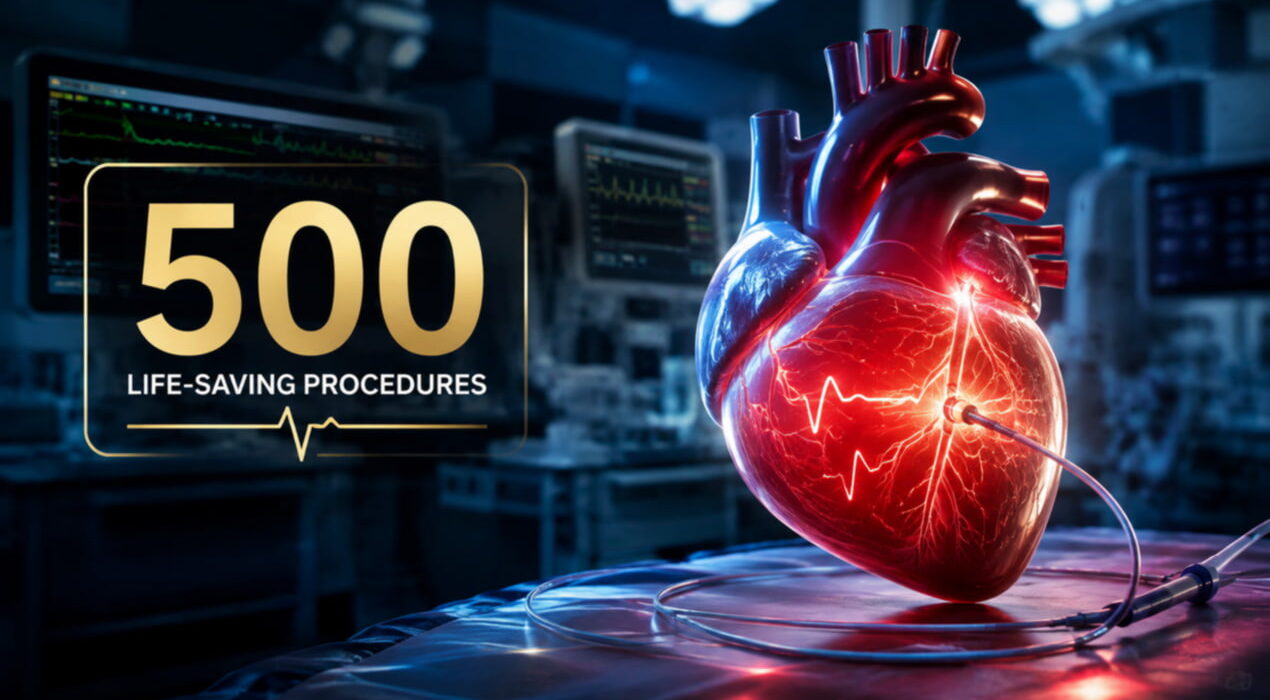
Pakistan’s National Institute of Cardiovascular Diseases (NICVD) has completed 500 pediatric heart rhythm procedures, marking a healthcare milestone. It has treated children with serious rhythm disorders, with care worth nearly Rs1 billion provided free.
The service has improved access to specialist treatment in Pakistan. Before its launch, families had few options for complex rhythm problems. These conditions can cause fainting, breathlessness, unusual heartbeats, or cardiac arrest.
Treating Complex Rhythm Disorders
Dr Muhammad Mohsin, head of the Pediatric Electrophysiology Programme, said these disorders are complex but treatable. Some cases develop from birth, while others result from inherited conditions.
The programme supports three groups. These include youngsters needing pacemakers for slow rhythms, patients with fast rhythms, and those facing inherited risks of sudden cardiac arrest.
Doctors use Electrophysiology studies and catheter ablation for rapid rhythms. This minimally invasive technique does not require opening the chest. Instead, specialists guide a thin catheter through a blood vessel.
Three-dimensional mapping helps doctors locate abnormal electrical pathways. Doctors then target affected tissue to restore a regular heartbeat. A procedure takes about two to three hours.
Free Care and Wider Awareness
Treatment for one patient can cost between Rs1 million and Rs1.5 million. However, NICVD provides every procedure through this programme free of charge.
Awareness has also improved since 2021. The department now sees 30 to 35 patients daily regularly. In addition, around 200 families remain under long-term follow-up.
Warning signs can include poor physical growth, repeated fainting, chest discomfort, and symptoms that continue despite medication. Therefore, families should seek medical advice when such signs appear.
A Major Healthcare Milestone
The 500-procedure milestone highlights the value of specialised cardiac services. It also shows how free treatment can reduce financial barriers for families. As a result, more youngsters with serious rhythm disorders can receive timely care and continue healthier lives.