Oil Price Uncertainty Middle East Tensions Keep Markets on Edge
Oil price uncertainty continues to shape global markets as geopolitical tensions remain high. Traders are watching closely as supply risks increase. As a result, prices showed slight recovery after recent losses. Brent crude rose modestly to $95.36 per barrel. Meanwhile, US crude hovered near $93.06. However, both benchmarks still reflect recent volatility.
Supply Risks and Regional Conflict
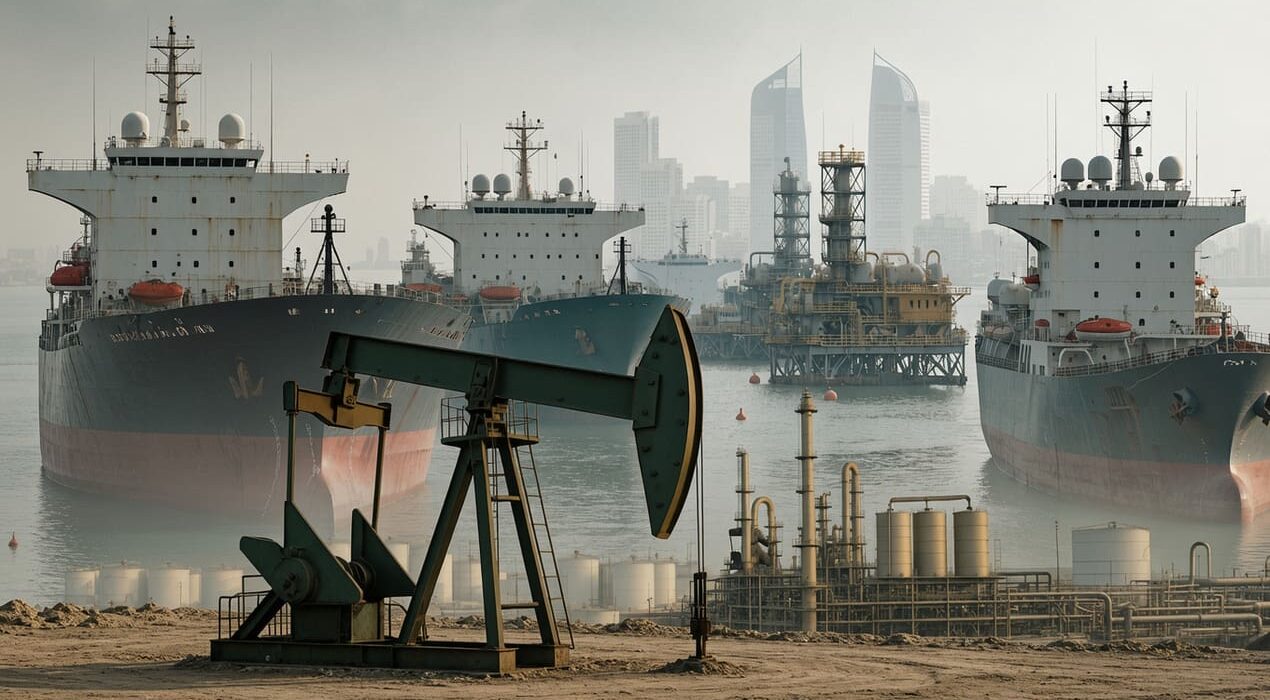
Tensions in the Middle East are driving market sentiment. For example, Hezbollah rejected a ceasefire proposal in Lebanon. This decision has raised fresh concerns about stability. In addition, Oman’s Mina al Fahal terminal halted oil loadings after an explosion. Therefore, supply disruptions are adding pressure to prices. Traffic in the Strait of Hormuz also remains limited. This route handles a large share of global oil shipments. As a result, any disruption quickly impacts supply expectations.
Falling Exports and Market Pressure
Iranian exports have dropped sharply in recent months. In fact, they are now at their lowest level in six years. This decline is mainly due to US naval restrictions. However, weak demand from China has also weighed on prices. Therefore, the market faces mixed signals. On one hand, supply risks support prices. On the other hand, demand concerns limit gains. Analysts warn that global inventories may decline further. As a result, prices could rise in the coming months.
Outlook Remains Uncertain
Despite current tensions, OPEC expects demand to stay strong. The group forecasts steady growth this year. In addition, experts believe prices may trend higher if supply tightens. However, uncertainty still dominates market outlook. Headlines about conflict and diplomacy continue to shift sentiment. Therefore, traders remain cautious. Any progress in peace talks could stabilize markets. Meanwhile, further escalation may push prices higher. As a result, oil price uncertainty is likely to persist in the near term.