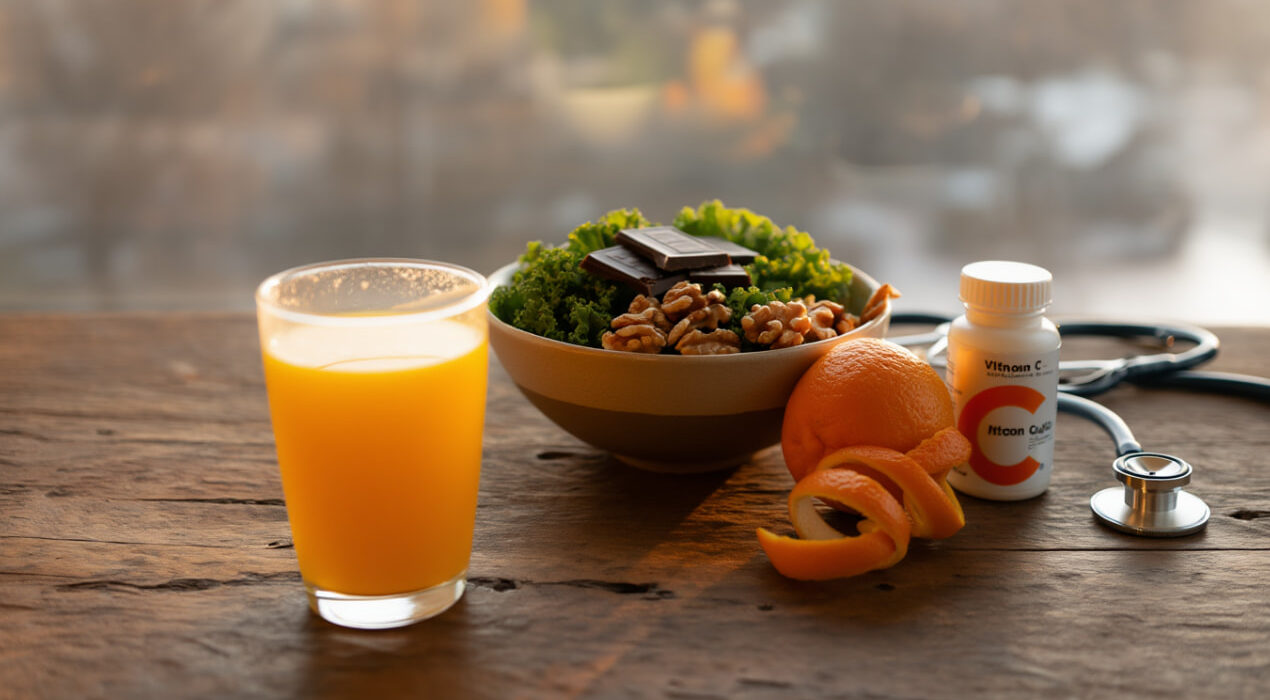
Oranges: Your Secret Weapon Against Winter Blues
As winter’s chill sets in and sunlight becomes scarce, many people feel a dip in their mood. This seasonal gloom, often linked to reduced sun exposure, can be tough. However, a surprising ally in this battle might be waiting in your fruit bowl. Beyond their well-known vitamin C content, emerging science suggests that oranges and their juice offer a unique combination of benefits that can help support your emotional well-being during the darker months.
A Natural Defense Against Inflammation
A key way oranges may help is by fighting internal inflammation, a factor increasingly linked to mood disorders. A recent 2025 study provides compelling evidence: researchers found that drinking orange juice can “dampen” or downregulate inflammatory genes in the body. Chronic, low-grade inflammation has been associated with a higher risk of depression. By helping to reduce this systemic inflammation, the bioactive compounds in oranges, particularly flavonoids like hesperidin, may create a more favorable internal environment for a stable mood.
This effect is part of a broader benefit for your “metabolic system,” as noted by study author Layanne Nascimento Fraga. The research showed that orange juice doesn’t just target one issue; it modulates multiple pathways at once, improving key markers like oxidative stress and supporting overall metabolic health, which is closely tied to brain health.
More Than Just Vitamin C: A Synergy of Nutrients
While vitamin C is famous for immune support, its role in mental well-being is significant. It’s crucial for producing neurotransmitters like serotonin, often called the “feel-good” chemical. Low serotonin levels are a common factor in depression. Orange juice is a potent source of vitamin C, but its benefits don’t stop there.
Oranges are also an excellent source of potassium. As cardiologist Dr. Jayne Morgan points out, “Most Americans are actually potassium-deficient.” This mineral is vital for healthy nerve function and helps regulate the body’s response to stress.
Furthermore, the study highlighted that orange juice enhances the body’s ability to metabolize fat. For individuals carrying extra weight, this metabolic support was particularly optimized. Since body weight can impact both physical and mental health, this targeted benefit may be especially valuable.
Enjoying Oranges Mindfully for Maximum Benefit
To harness these mood-supporting benefits, it’s important to consume oranges thoughtfully. Nutrition experts generally recommend the following:
1. Prioritize Whole Fruit: When you eat a whole orange, you get the valuable fiber that is lost in juicing. “Fiber helps even out the sudden release of sugar from juices,” advises interventional cardiologist Dr. Cheng-Han Chen. The slower sugar absorption helps maintain stable energy levels, preventing the crashes that can worsen mood swings.
2. Don’t Skip the “White Stuff”: The white, spongy pith (albedo) inside the peel is rich in fiber and flavonoids. Including it maximizes your intake of beneficial compounds.
3. Consume Juice in Moderation: If you enjoy orange juice, think of the juice as a supplement, not a staple. As Dr. Morgan advises, enjoy it in “small–moderate amounts” to gain the benefits of potassium and flavonoids without the downside of a high sugar load.
In conclusion, while oranges are not a cure for clinical depression, they are a powerful, whole-food tool in your wellness toolkit. By reducing inflammation, supplying critical mood-supporting nutrients, and supporting overall metabolic health, this bright citrus fruit can be a delicious and natural way to help bring a little more sunshine to your winter days.