Oregon Charts ‘Path to Universal Preschool’ with New Early Childhood Panel
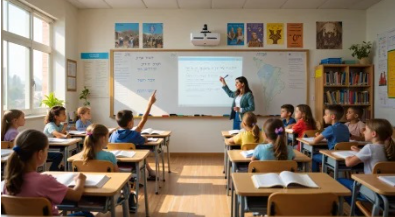
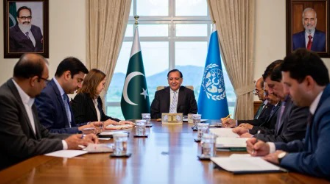
Oregon is taking a major step toward making preschool accessible to every family in the state. Governor Tina Kotek has convened a new Early Childhood Care and Learning System Roundtable to chart an actionable path toward universal preschool. The roundtable brings together state and national early learning experts to develop recommendations for improving access to affordable, quality childcare and preschool across Oregon. The ultimate goal: ensuring every 3- and 4-year-old in all 36 counties can access preschool . “This is about building an Oregon where families don’t have to choose between their paycheck and their child’s care and development,” said Candice Williams, Executive Director at For All Families Oregon .
Why Universal Preschool Matters
The first five years of a child’s life are critical for learning and growth. Research shows children who receive high-quality early education are more likely to earn higher wages, live healthier lives, and contribute positively to society.The economic case is equally compelling. Oregon’s economy loses an estimated $1.4 billion annually due to childcare challenges . Parents frequently face impossible choices between missing work and caring for their children. For some, that means forgoing employment altogether.
Building on Existing Progress
Over the past decade, Oregon has made important strides in expanding preschool access at both state and local levels . Programs like Preschool Promise and Oregon Pre-Kindergarten (OPK) currently provide free, state-funded preschool for eligible 3- and 4-year-olds from families with lower incomes. Multnomah County’s voter-approved Preschool for All program, funded by a tax on high-income earners, remains on track to provide universal preschool within the county by 2030 . The program now serves nearly 4,000 children across more than 200 locations, with 59% of recent applicants coming from families with incomes at or below 350% of the federal poverty level.
Addressing Current Challenges
Despite progress, too many Oregon families still struggle to find and afford quality childcare . Kindergarten readiness gaps remain alarming, and childcare challenges continue costing the economy billions.The roundtable’s work follows other education initiatives from Governor Kotek, including record K-12 funding, science-backed reading instruction investments, and a statewide cell phone ban in schools. These collective efforts helped Oregon achieve a record-high 82% high school graduation rate in 2025 .
A Coordinated Approach to Lasting Change
The roundtable will develop recommendations grounded in the reality of what Oregon parents need. “Scaling an early learning system that truly works for every family, regardless of where they live, starts with getting the plan right,” Mickelson said.The blueprint aims to be both ambitious and sustainable, ensuring working families across all 36 counties can access the early learning opportunities their children deserve.