Pakistan Approves Prices for 52 Essential Medicines
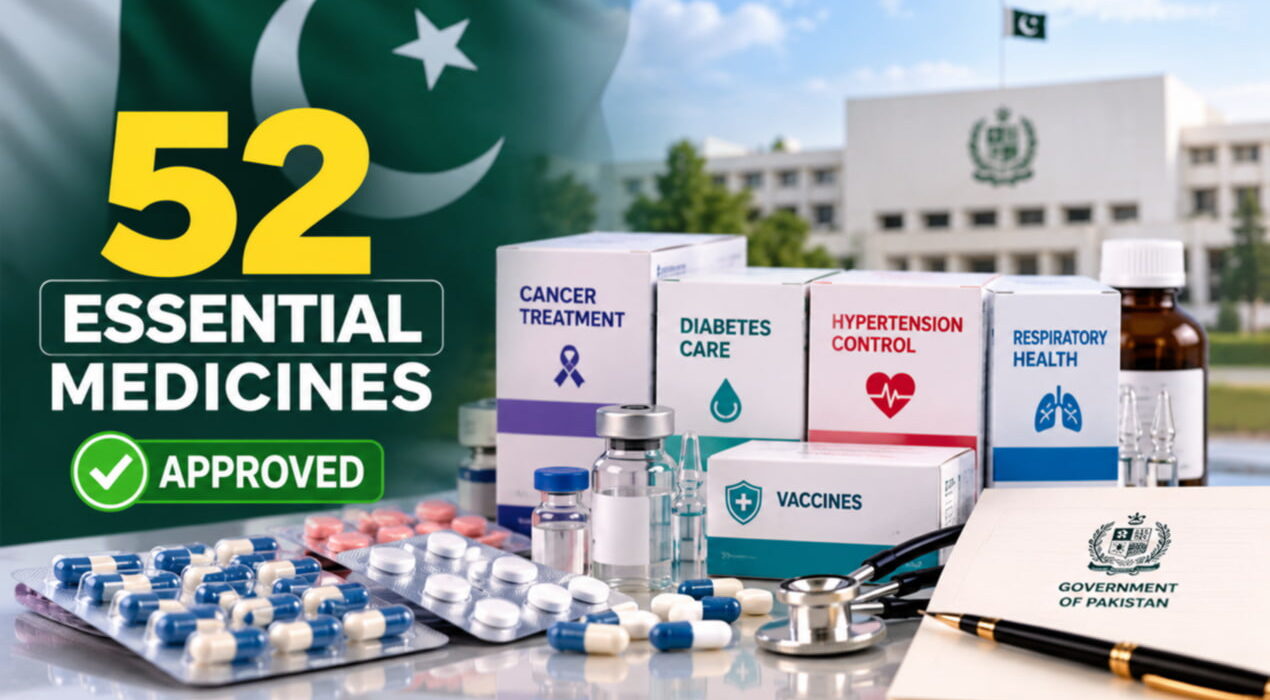
The Pakistan government has approved prices for 52 essential medicines. It covers treatments for cancer, hypertension, diabetes and respiratory care. It also includes vaccines for infectious diseases. This could help products enter the local market.
The approval comes from a Cabinet Committee formed by Prime Minister Shehbaz Sharif. Finance Minister Muhammad Aurangzeb chaired the committee. With this decision, the government has approved prices for 87 essential medicines in four months.
52 Medicines Get Price Approval
Earlier, the government approved prices for 35 medicines in April 2026. Pharmaceutical companies now await official notification. After notification, companies can start manufacturing and importing these products.
However, industry officials expect the process to take one to two months. Therefore, patients may have to wait before medicines become available.
Patients Could Benefit From Wider Access
Pharmaceutical industry officials said delayed pricing had restricted access to some advanced treatments. As a result, some patients struggled to obtain medicines.
Some patients also turned to expensive and unregulated smuggled products. Former Pakistan Pharmaceutical Manufacturers Association chairman Tauqeer Ul Haq said patients would benefit most.
He highlighted people needing advanced treatment for cancer, hypertension and diabetes. In addition, he said formal price approval could allow companies to export these medicines.
Committee Reviews Drug Pricing
The Cabinet Committee reviewed recommendations from the Drug Pricing Committee and DRAP Policy Board. Federal Health Minister Syed Mustafa Kamal also attended the meeting.
Federal Minister for Defense Production Muhammad Raza Hayat Harraj joined the discussion as well. DRAP presented details about new price fixation, hardship cases and essential medicine availability.
Aurangzeb stressed transparent, evidence-based and consultative pricing decisions. He said officials must balance patient access and affordability with sustainable medicine supplies.
The decision supports wider access to advanced treatments. Its impact will depend on the official notification and market availability for patients across Pakistan.