Pakistan-China Pharma Deal Boosts Healthcare Future
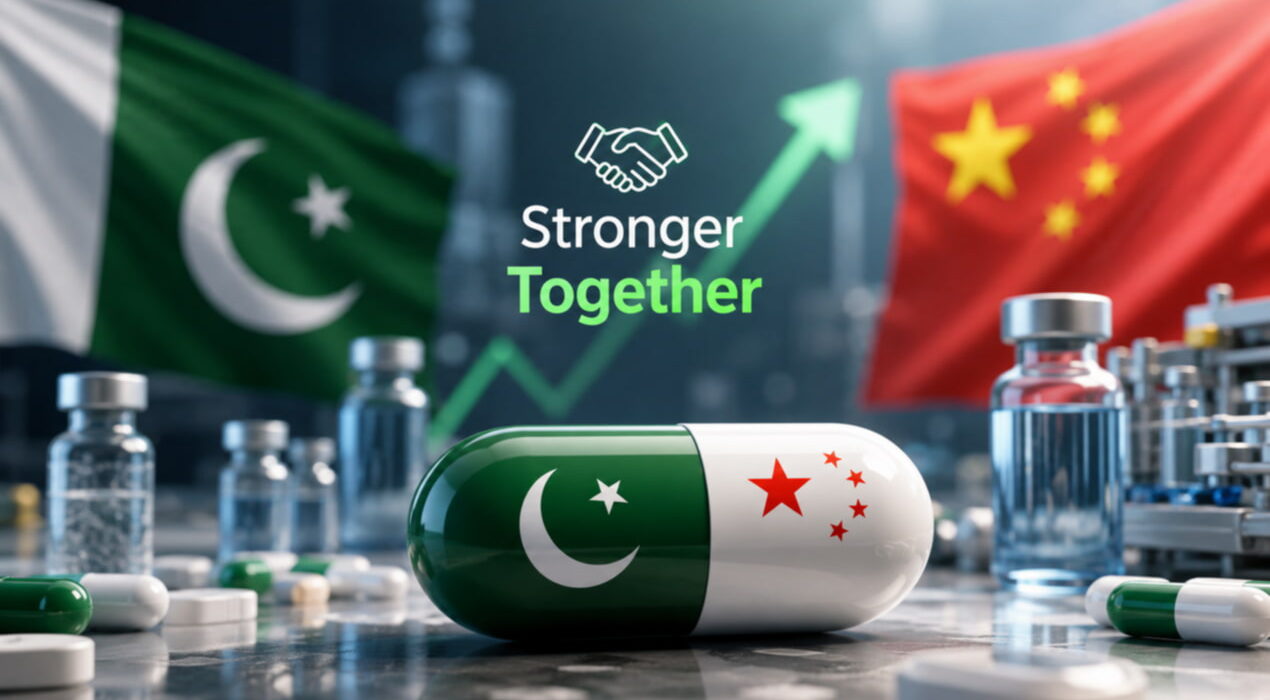
Pakistan’s Pakistan-China Pharma Deal could reshape the country’s healthcare sector. The new agreements are worth $850 million. They aim to improve medicine production, vaccine manufacturing, and healthcare innovation. In addition, the partnership supports CPEC 2.0 and encourages long-term industrial growth. Experts believe these projects could reduce Pakistan’s reliance on imported pharmaceutical ingredients while creating new opportunities for local companies.
Local production and investment
The agreements were signed during the Pakistan-China Pharmaceutical and Healthcare Business Conference. Officials announced 16 commercial contracts and 80 memorandums of understanding. Together, these commitments cover pharmaceuticals, biotechnology, medical devices, research, and healthcare manufacturing.
Pakistan currently imports about 90% of its pharmaceutical raw materials. Therefore, local production could strengthen supply chains and improve medicine availability. It may also lower manufacturing costs over time. However, medicine prices will still depend on regulatory decisions and market conditions. Furthermore, Chinese companies are expected to share technology and technical expertise. This cooperation could create skilled jobs and support future pharmaceutical exports.
Vaccine manufacturing and reforms
Another major goal is expanding vaccine production inside Pakistan. At present, the country imports many vaccines. As a result, officials want to reduce dependence on foreign suppliers. New production facilities could improve emergency preparedness and strengthen national health security.
Meanwhile, the government highlighted important regulatory reforms. More than 80% of DRAP services are now digital. Consequently, licensing has become faster and easier. Officials also said WHO recognition of local laboratories has increased international confidence in Pakistan’s pharmaceutical sector.
Future depends on implementation
Prime Minister Shehbaz Sharif described healthcare as a key part of CPEC 2.0. The focus has shifted from infrastructure to manufacturing, technology, and innovation. If these agreements move beyond paperwork, Pakistan could produce more medicines locally, expand exports, and improve healthcare services. Ultimately, successful implementation will determine whether this investment delivers lasting benefits for patients, businesses, and the national economy.