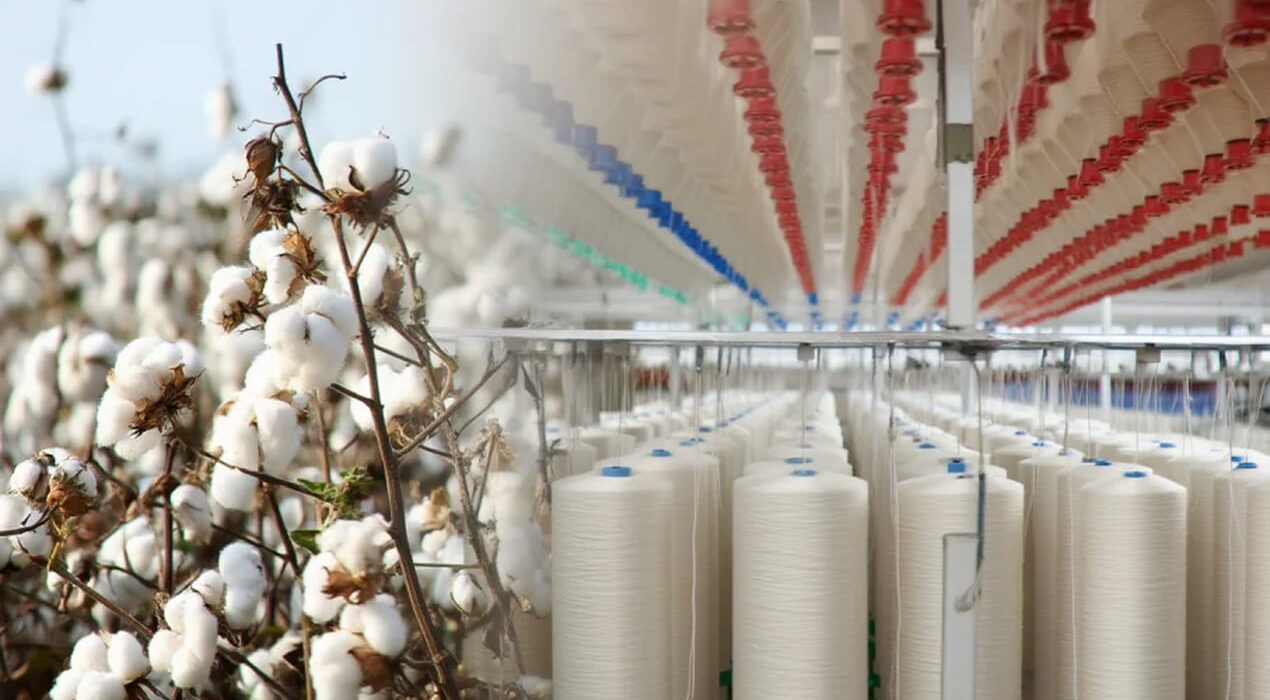
Pakistan Cotton Industry Crisis: 150 Textile Mills, 400 Factories Shut
Pakistan’s cotton industry crisis has intensified in recent months. As a result, over 150 textile mills and 400 ginning factories have shut down. This sharp decline has alarmed industry leaders nationwide.
Soft import policies have increased foreign inflows. However, export production costs continue to rise. Therefore, export activity has dropped across the textile value chain.
Industry experts now describe the sector as being “on a ventilator.” Consequently, fears are growing about wider economic damage.
Rising Costs Hurt Export Competitiveness
High energy prices have created serious challenges. For example, electricity and gas tariffs remain higher than regional competitors. In addition, elevated interest rates have increased financial pressure.
Heavy taxation has further reduced profitability. Moreover, frequent intervention by federal and provincial departments has slowed operations. As a result, production costs have surged sharply.
Chairman Cotton Ginners Forum Ehsan-ul-Haq warned that exporters cannot compete globally. Therefore, cotton-based exports continue to decline steadily.
Economic Risks Continue to Grow
The cotton sector now faces its worst crisis in decades. This situation signals deeper trouble for Pakistan’s economy. However, experts believe recovery remains possible with timely action.
Ehsan-ul-Haq urged governments to prioritize industrial revival. Instead of large welfare allocations, he suggested targeted industry support packages. As a result, factories could reopen and jobs could return.
Reviving industrial activity would strengthen economic stability. In addition, it would help reduce unemployment and poverty nationwide.
Cotton Arrival Data Shows Mixed Trends
Recent data highlights uneven regional performance. According to the Pakistan Cotton Ginners Association, 5.497 million bales arrived by January 15, 2026. This figure shows only a slight year on year increase.
Punjab recorded a 4 percent decline in arrivals. Meanwhile, Sindh posted a 4 percent rise during the same period. Therefore, regional disparities continue to shape industry outcomes.