Pakistan Debt Crisis: Stability Claims Under Question
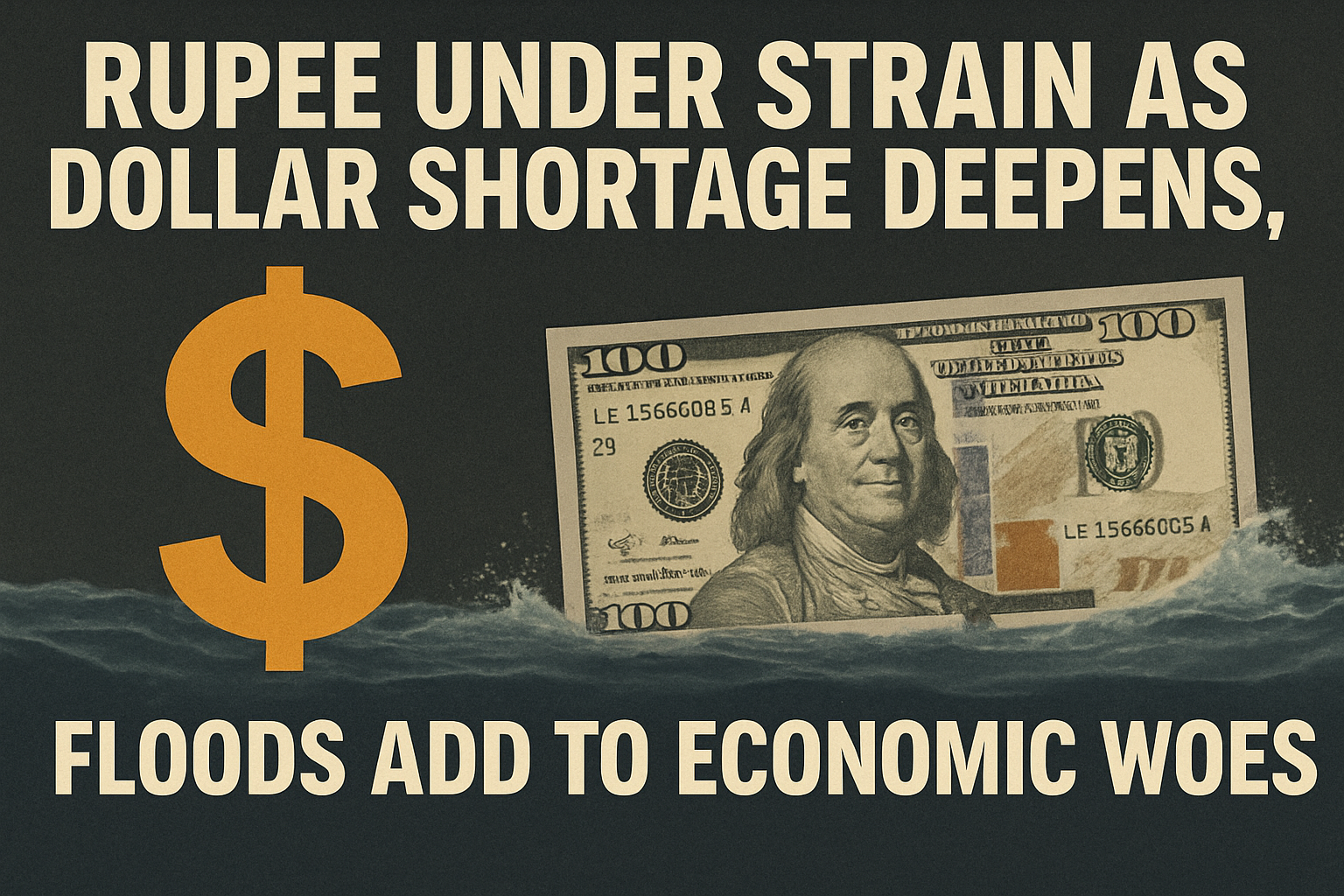
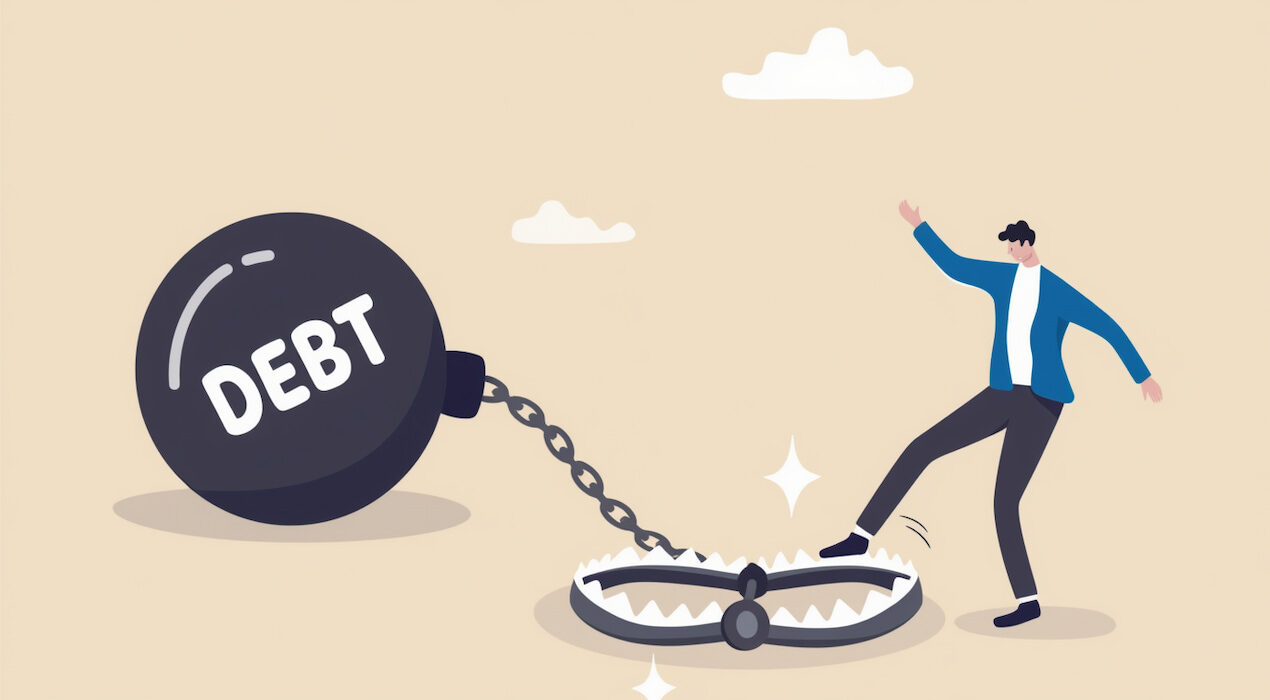
Pakistan debt crisis often hides behind claims of stability under the International Monetary Fund programme. However, this narrative overlooks deeper structural issues. The rising debt burden continues to weaken industry and limit long-term growth across the country.
A Fragile Economic Structure
Government officials present a 2% primary surplus as a major success. However, they achieve this by cutting development spending and raising taxes. As a result, businesses face higher costs and reduced growth opportunities.
In addition, public debt has crossed Rs80 trillion. This increase has ignored limits set by the Fiscal Responsibility and Debt Limitation Act. Therefore, the economy now focuses more on paying interest than building infrastructure.
High interest rates create further pressure. Policymakers use them to control inflation. However, these rates also discourage private investment. For example, banks prefer lending to the government instead of supporting industries. As a result, job creation slows and economic activity declines.
The Cost of Austerity Policies
Supporters argue that strict policies can prevent default. They believe higher taxes and subsidy cuts will restore global confidence. However, this approach carries serious social costs.
For instance, expensive energy and borrowing make exports less competitive. As a result, industries shrink and many small businesses shift to the informal sector. This trend reduces the tax base even further.
Moreover, skilled workers continue to leave the country. This brain drain weakens future growth and increases economic pressure. Therefore, relying only on austerity cannot ensure lasting stability.
Pakistan needs a balanced strategy. The government should restructure debt and support industry growth. In addition, it must encourage investment through fair policies. Only then can the country achieve sustainable economic stability.