Pakistan HIV Cases: Minister Links Rise to Night Parties
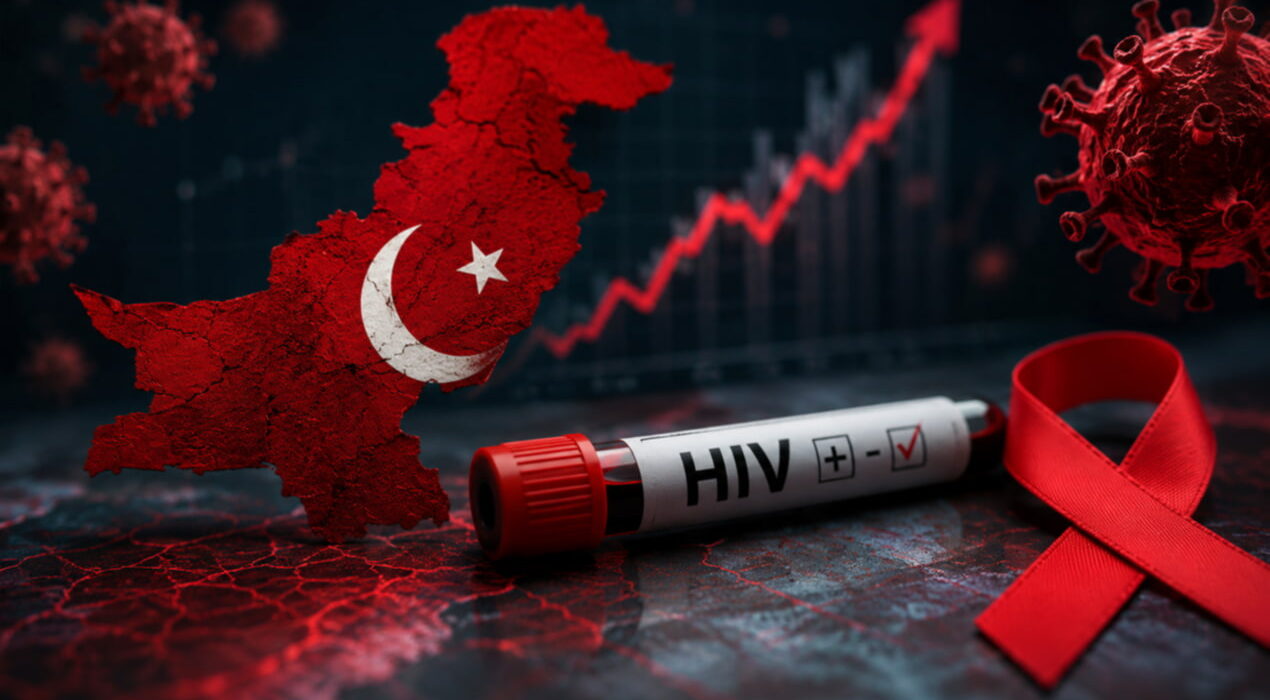
Pakistan HIV cases are drawing fresh attention after new comments from Federal Health Minister Mustafa Kamal. The government is already investigating a rise in HIV infections among children in Sindh. Officials are examining reports that contaminated syringes may have infected dozens of minors in government hospitals. However, Kamal said recent findings in Islamabad point to a different pattern of transmission among young adults.
Investigation Continues Into Child Cases
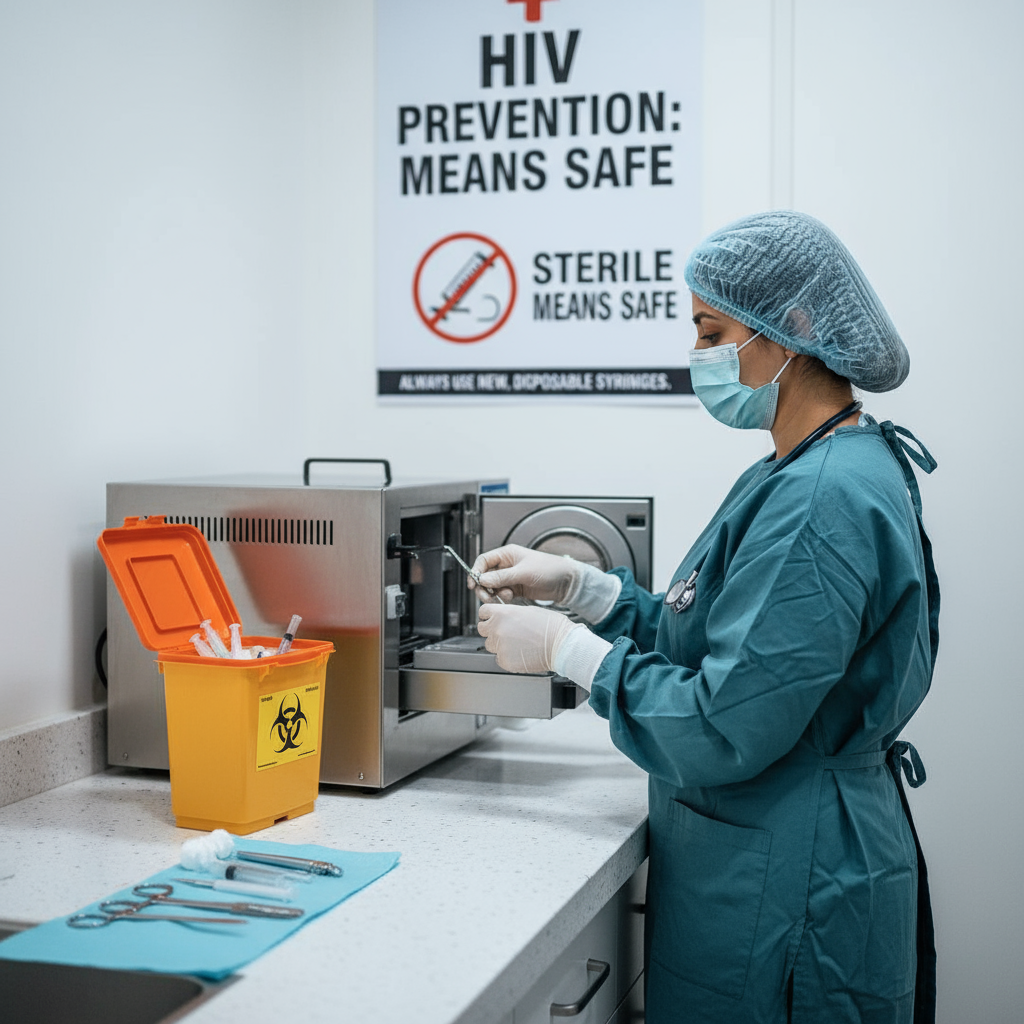
The investigation follows reports that several children tested positive for HIV after receiving treatment at public hospitals. Provincial Labour Minister Saeed Ghani said at least 78 children contracted HIV at Kulsoom Bai Valika Hospital in Sindh. Health authorities are reviewing hospital practices and gathering evidence. In addition, officials aim to determine whether unsafe medical procedures contributed to the infections. The inquiry remains ongoing, and authorities have not released final conclusions. Therefore, health experts continue to stress the importance of safe medical practices and proper infection control.
Minister Highlights New Trend
During a briefing to the Standing Committee for Health, Mustafa Kamal shared recent data from Islamabad. He said more than 30 new HIV cases are now reported each month in the capital. Moreover, he explained that many newly diagnosed people do not match the earlier pattern linked to shared syringes among people who inject drugs. Instead, he claimed many cases involve young men and women who regularly attend nightlife events. According to Kamal, investigations found several people connected with these gatherings had tested positive for HIV.
Health Experts Stress Prevention
Health authorities continue to monitor the situation closely. Meanwhile, experts say HIV can spread through unprotected sex, sharing contaminated needles, infected blood, and from mother to child. They encourage regular testing, safe medical procedures, and greater public awareness. As a result, officials hope early diagnosis and prevention campaigns will reduce new infections and improve public health across Pakistan.