Pakistan HIV Cases: Task Force Urges Urgent Health System Reforms
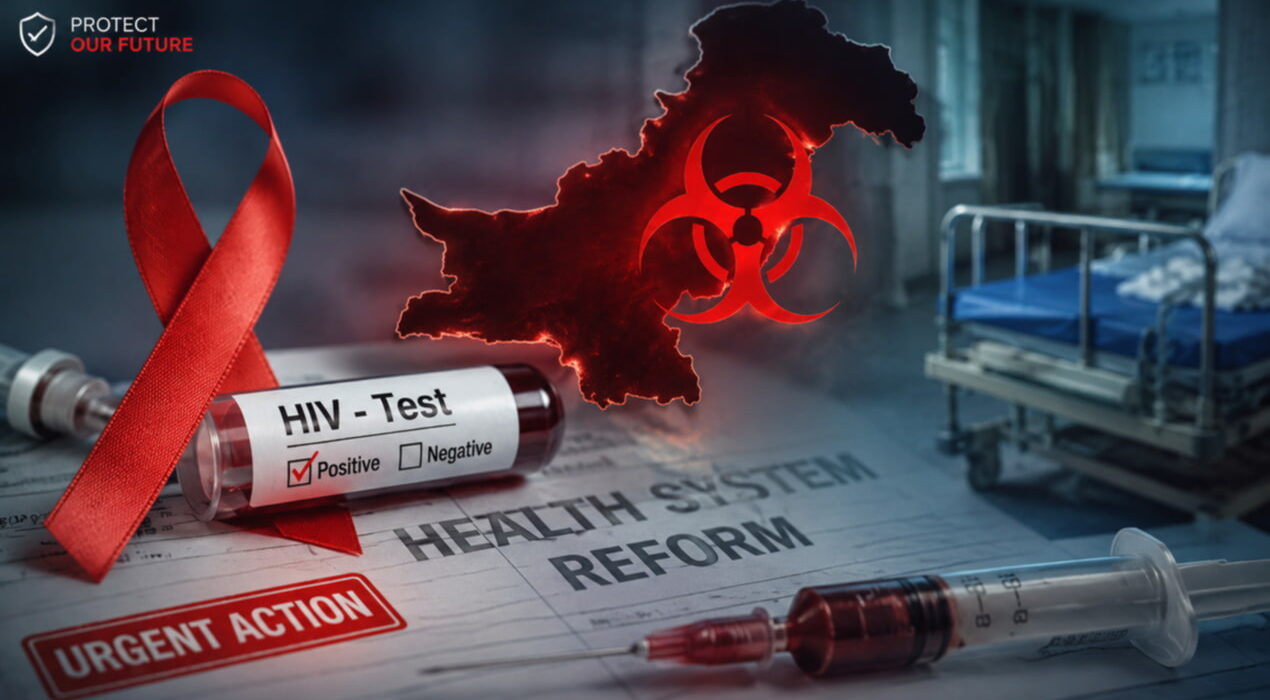
The Pakistan HIV Task Force has highlighted serious concerns after HIV cases among children exposed weaknesses in the country’s healthcare system. Experts believe the issue goes beyond individual mistakes and reflects deeper problems in governance, infection control, and patient safety. Therefore, they urge authorities to act quickly and prevent more avoidable infections.
Task Force Calls for Immediate Reforms
Following the Tanusa outbreak and a BBC investigation, public concern increased across Pakistan. As a result, Prime Minister Shehbaz Sharif directed the Federal Ministry of National Health Services to form a special committee. State Minister for Health Dr Malik Mukhtar Ahmad Bharath led the panel, which met three times during May 2026. The committee prepared a detailed report covering governance, administration, technical standards, and healthcare safety. It submitted its recommendations to the prime minister on May 21. Later, officials reviewed most proposals during a meeting on July 3. However, no official implementation plan or progress update has been shared since then.
Rising HIV Cases Raise Fresh Concerns
Meanwhile, reports suggest more children continue to contract HIV through unsafe medical practices. Health experts warn that many infections may remain undetected because surveillance remains limited. For example, a government hospital in Karachi confirmed at least 130 HIV-positive patients, most of them children. Similar reports have also emerged from Hyderabad, Khairpur, and other districts of Sindh. In addition, experts believe these reported cases represent only a small part of the actual problem.
Experts Stress Stronger Healthcare Oversight
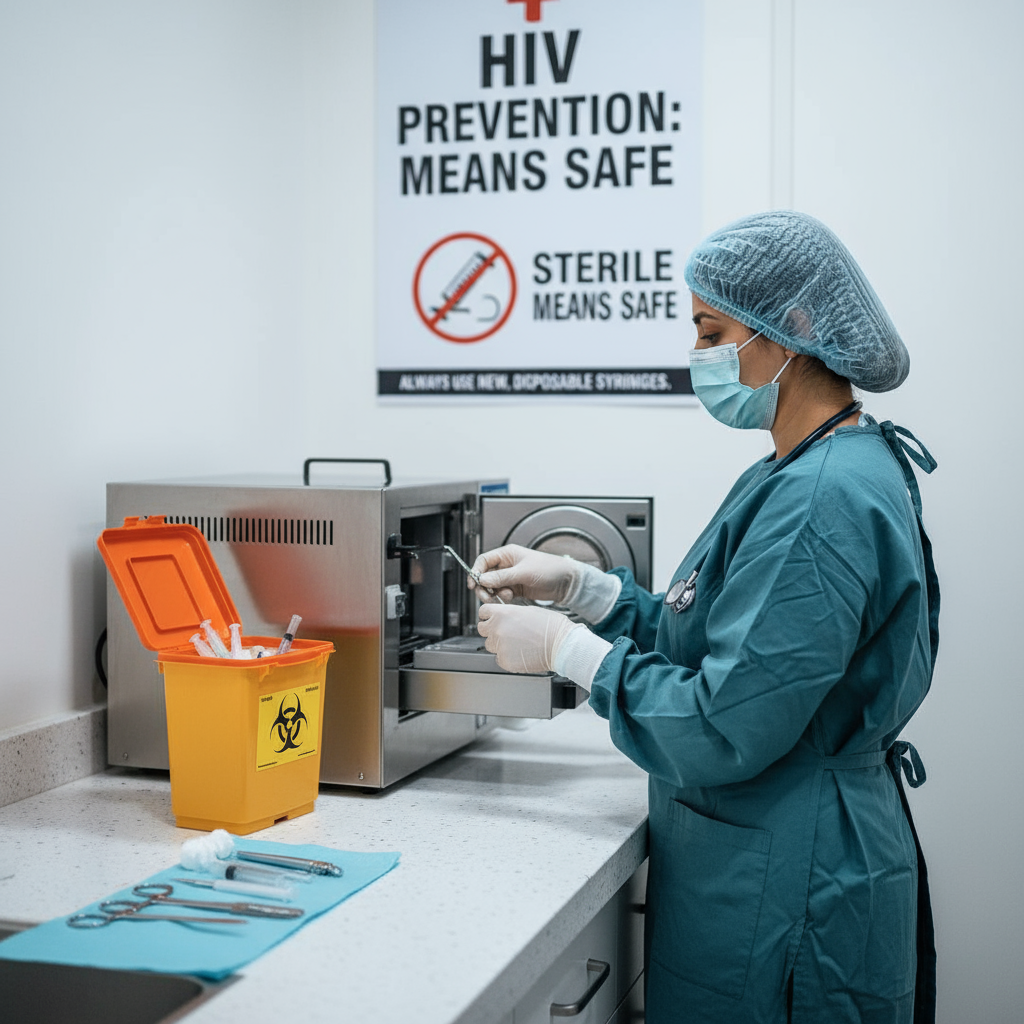
Specialists say Pakistan needs stricter infection prevention measures, safer blood screening, proper sterilization, and stronger monitoring across public and private hospitals. They also call for better staff training and greater accountability at every level. National estimates show HIV cases increased from about 67,000 in 2010 to between 210,000 and 240,000 by 2022. Furthermore, officially registered cases reached more than 84,000 by December 2025. Experts believe timely reforms could strengthen patient safety and reduce future infections.