Pakistan Illegal Fuel Crackdown 2,500 Petrol Pumps Shut Nationwide
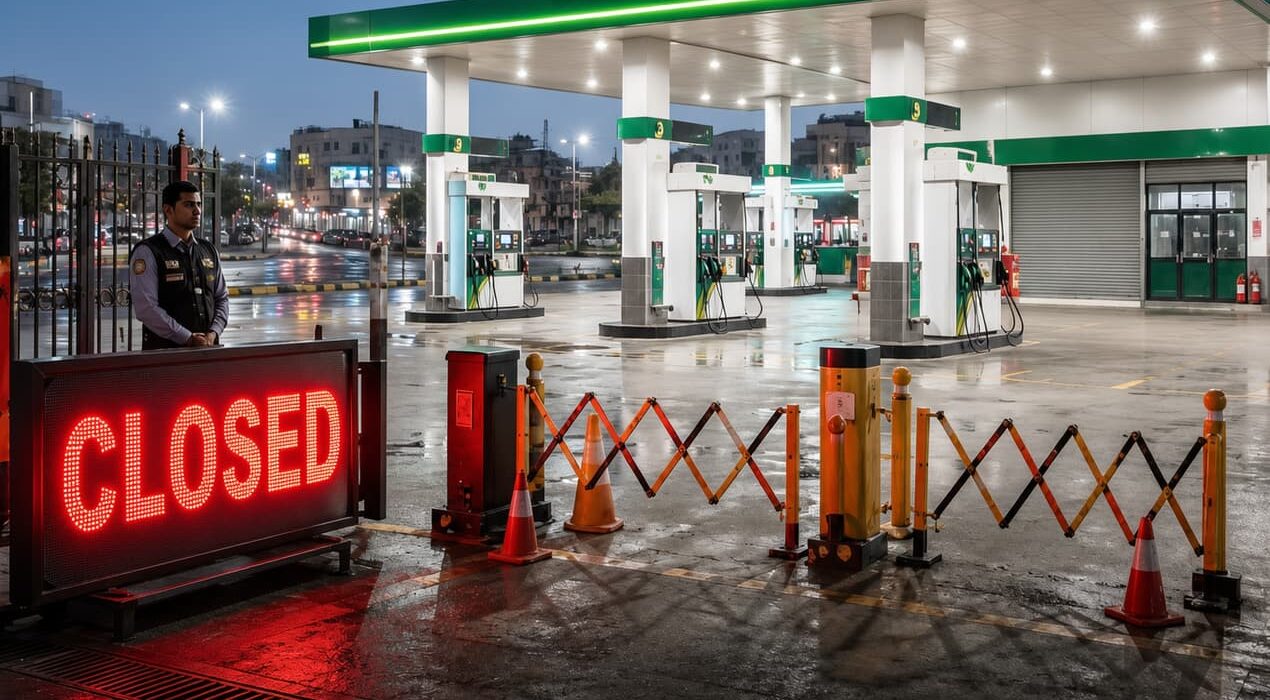
Pakistan has launched a major illegal fuel crackdown Pakistan authorities say will improve safety and transparency. Officials have shut down about 2,500 petrol pumps nationwide. This action targets unauthorized fuel businesses that operate outside legal rules.
The government aims to protect consumers and strengthen the energy sector. Illegal fuel sales often create serious safety risks. In addition, they damage fair competition in the market.
Why the Crackdown Matters
Authorities believe illegal fuel operations harm both people and the economy. For example, poor storage and handling can cause accidents. Therefore, strict monitoring has become necessary. These illegal setups also reduce government revenue. As a result, the country loses funds that support public services. Officials now want all petrol stations to follow proper regulations. The shutdown of 2,500 petrol pumps shows strong enforcement. However, it also sends a clear message to other operators. Businesses must now comply with petroleum laws or face similar action. Many legal petrol pump owners have welcomed the move. They believe it creates fair competition in the market. In addition, it helps build trust among customers.
Future Steps by Authorities
Officials plan to continue inspections across the country. They will monitor fuel stations more closely in the coming months. As a result, more illegal outlets may face closure. The government also aims to improve transparency in fuel supply chains. For example, digital tracking systems could help detect illegal activity faster. Therefore, stronger systems may reduce future violations.
A Move Toward a Safer Market
This crackdown highlights Pakistan’s effort to regulate its fuel sector. It focuses on safety, fairness, and accountability. Moreover, it encourages businesses to operate within legal boundaries. In conclusion, the illegal fuel crackdown Pakistan initiative marks a significant step forward. It protects consumers and supports honest businesses. As enforcement continues, the fuel market may become more stable and reliable.