Pakistan LNG Sales Govt to Export Excess Fuel from January
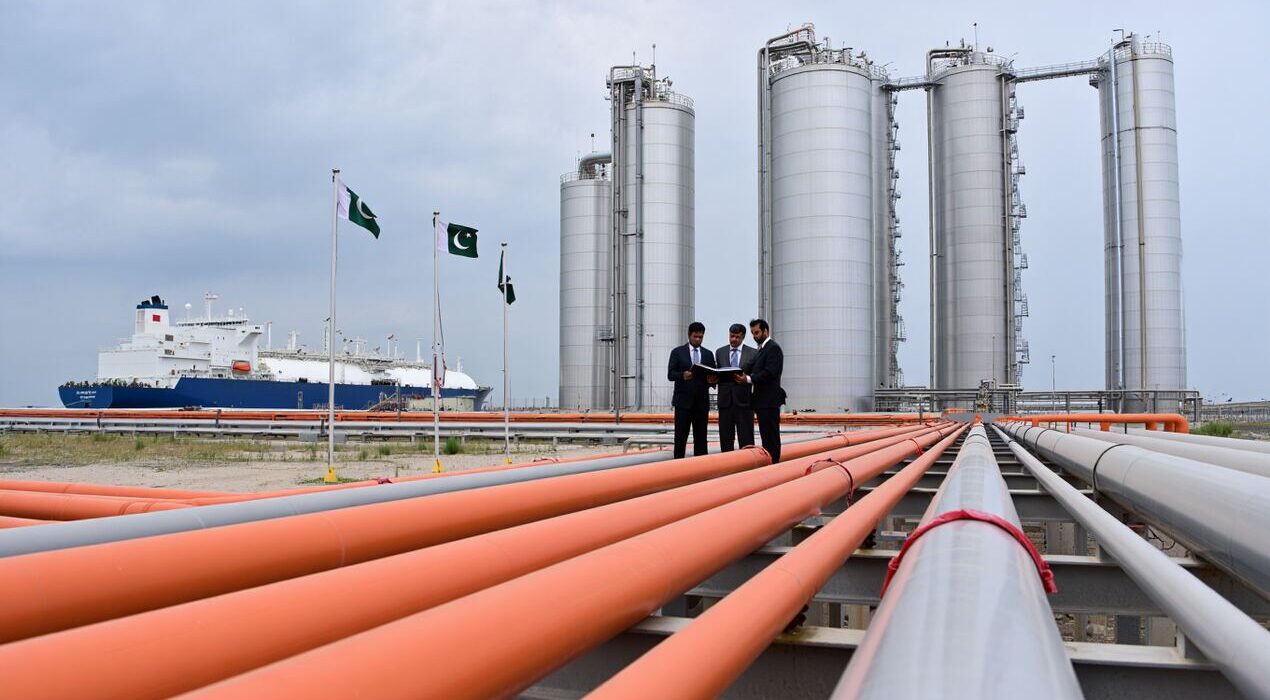
The government has announced a major policy shift in Pakistan LNG sales. Petroleum Minister Ali Pervaiz Malik confirmed that exports of excess liquefied natural gas will start on January 1. He shared the update during a press conference in Lahore on Sunday.
Malik said the country faced a gas surplus due to reduced domestic demand. Therefore, selling extra LNG abroad would lower financial losses. He added that the move would also reduce pressure on the gas sector.
Why Pakistan plans to sell excess LNG
The minister explained that Pakistan imported LNG from Qatar and Italy’s Eni. However, power producers have reduced gas consumption in recent months. As a result, authorities diverted surplus gas to domestic users.
That decision increased circular debt in the gas sector. Malik said the losses reached nearly Rs1,000 billion since 2018. Therefore, exporting excess fuel became necessary to manage costs.
He added that LNG exports would help state-owned companies operate at full capacity. This step would also allow them to generate profits instead of losses.
Last month, Pakistan canceled 21 LNG cargoes under its long-term deal with Eni. Officials also held talks with Qatar to defer or resell cargoes under contract terms.
Foreign investment and energy expansion plans
Malik also shared updates on foreign investment in the petroleum sector. He confirmed that Azerbaijan’s SOCAR would open its office in Pakistan soon. Moreover, SOCAR plans to invest millions in an oil pipeline from Machike to Thalian.
The pipeline project, developed with PSO and FWO, will begin within weeks. In addition, Malik said private financing of $3.5 billion for the Reko Diq project is complete.
Local firms and Barrick Gold will invest over $3.5 billion more. Overall, the first phase will attract up to $7 billion. Malik said the project would transform Chaghi’s economy.
He also noted that Turkish Petroleum would resume exploration activities after two decades. As a result, Pakistan aims to reduce reliance on imported energy.