Pakistan Needs a New Counterterrorism Strategy Now
Terrorism is once again rising in several parts of Pakistan. Communities feel the impact through bloodshed, fear, and economic stress. This moment demands a new counterterrorism strategy that involves every institution and every citizen.
A Reactive Approach Can No Longer Work
For years, Pakistan has responded only after attacks occur. The pressure rises during crises but fades once headlines cool. However, this pattern leaves no room for long-term rebuilding.
Our security forces fight with unmatched courage and face heavy sacrifices. They often push back assaults with determination. Yet, these victories highlight a deeper concern. If terrorists reach their targets, can we truly call it success?
Each raid takes precious lives. Terrorists, ready to die, only aim to expose the state’s vulnerability. Therefore, Pakistan must redefine success. Holding ground is not victory. Preventing attacks entirely is.
A Proactive, Unified Strategy Is Essential
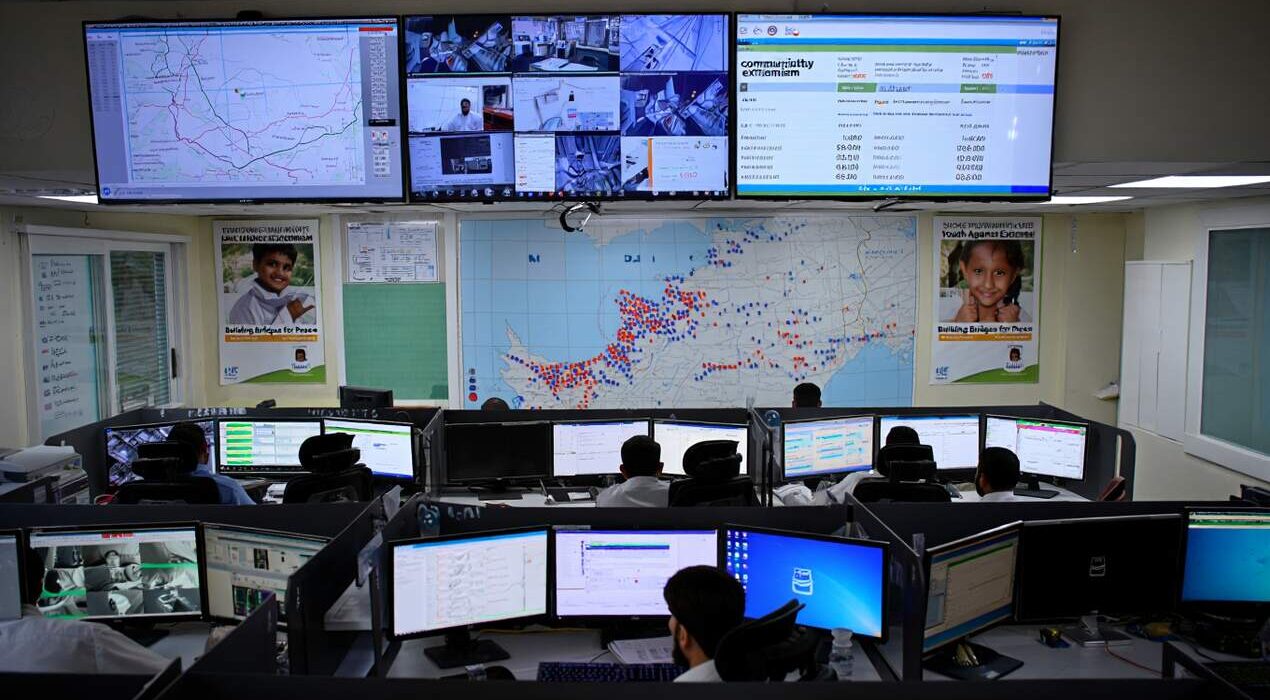
Recent operations show welcome urgency. However, Pakistan needs sustained, preemptive action. The state must detect and disrupt threats before terrorists strike. This requires real-time intelligence and rapid coordination.
The National Intelligence Fusion Centre should serve as the central hub for this mission. It must help the state outrun the terrorists’ planning cycle.
Past talks with militants offer painful lessons. Each deal, from Nek Muhammad to Swat, allowed terrorists to regroup. The rise of the TTP cannot be explained only by their shift
to Afghanistan after Zarb-e-Azb. The real damage came from 2017–2022, when complacency replaced consolidation.
The Taliban’s takeover in Afghanistan added fuel, offering the TTP morale, space, and support. Since August 2021, their attacks have grown in number and sophistication. Pakistan must now close every gap they exploit by adopting a new counterterrorism strategy.