Pakistan Revises Net Metering Policy, Cuts Solar Buyback Rates
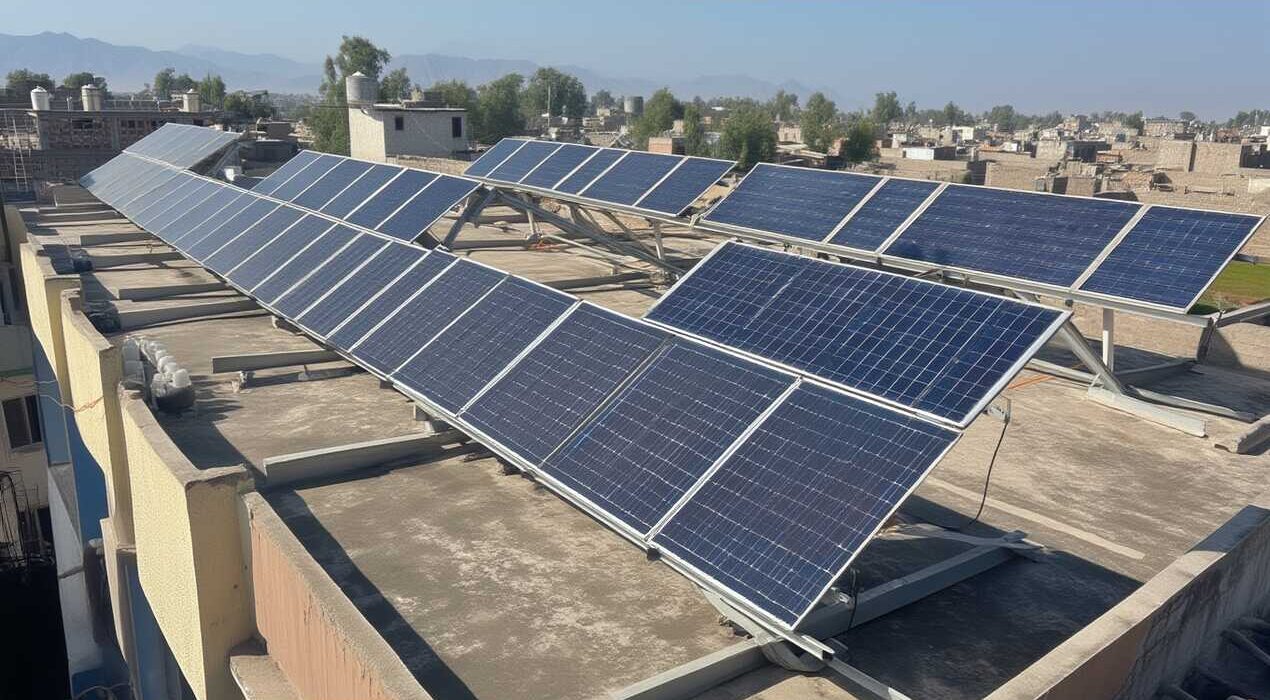
Pakistan has revised its net metering policy, changing how solar consumers sell electricity to the national grid. The Ministry of Energy approved the update after months of consultations. Officials say the move will reduce pressure on the power sector.
The new policy replaces the earlier net metering system with a net billing framework. As a result, solar users will now receive a fixed payment for excess electricity. Authorities aim to balance renewable growth with grid sustainability.
Lower Buyback Rate and Shorter Contracts
Under the revised net metering policy, consumers will earn Rs11 per unit for electricity sent to the grid. Previously, the rate stood at Rs25.98 per unit. Officials say market conditions no longer support the higher price.
The government has also reduced the agreement period to five years. Earlier contracts allowed longer adjustments of surplus power. However, the new system separates electricity exports from total consumption
Consumers will continue to buy electricity at Nepra-approved tariffs. Therefore, billing for imported power will remain unchanged. Officials believe this approach ensures fairness for all grid users.
New Licensing Rules for Solar Users
The revised net metering policy introduces licensing requirements for smaller systems. Solar installations up to 25 kilowatts will now need Nepra approval. Earlier rules exempted domestic and commercial users from licensing.
Energy ministry officials say the old policy caused financial strain on power companies. As a result, the government found continuation unsustainable. Distribution companies had raised repeated concerns.
Nepra will continue to set solar tariffs under its legal mandate. Regulators review these structures regularly to match sector needs. Officials also reassured consumers that most users will see limited impact.
The government says it supports renewable energy growth. At the same time, it wants a stable and affordable power system for everyone.