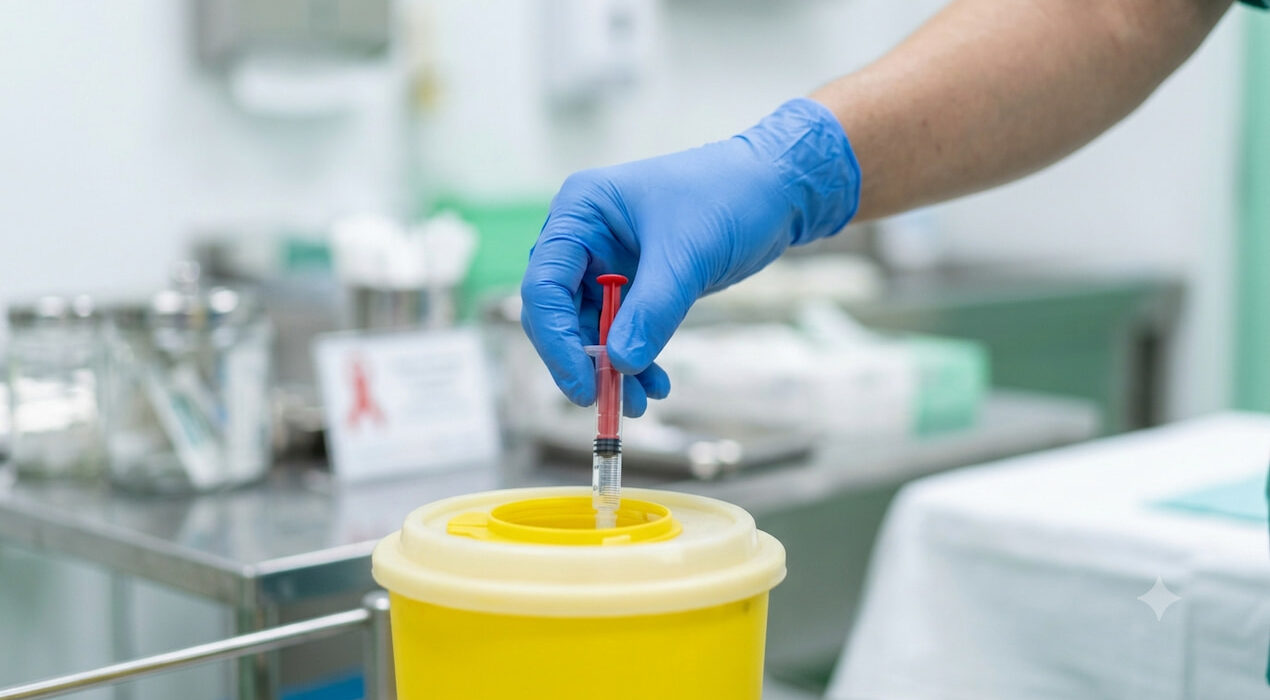
Pakistan Syringe Ban: Auto-Disable Syringes Mandatory From 2027
The Pakistan syringe ban will begin on January 1, 2027. The federal government has decided to replace conventional disposable syringes with auto-disable syringes across the country. The move aims to stop syringe reuse and reduce the spread of HIV, hepatitis, and other blood-borne diseases. Therefore, health officials expect stronger infection control and safer medical practices.
Govt introduces safer syringes nationwide
The Drug Regulatory Authority of Pakistan (DRAP) said manufacturers, importers, and retailers must stop producing, importing, and selling conventional disposable syringes after December 31, 2026. From the following day, only auto-disable syringes will be available for routine medical use. These syringes lock automatically after one injection. As a result, they cannot be reused.
The government introduced the policy on the prime minister’s directives. In addition, the DRAP Medical Devices Board approved the nationwide ban. Officials have already informed manufacturers and importers about the new rules. They believe the decision will reduce unsafe injections and improve patient safety. However, conventional 10cc syringes will remain available for selected procedures in secondary and tertiary care hospitals.
DRAP strengthens monitoring and quality checks
DRAP will launch a digital tracking portal to regulate the limited use of conventional 10cc syringes. Hospitals will upload procurement and usage records through the system. This process will improve transparency and help authorities monitor supplies. Moreover, regulators will ensure that hospitals use the syringes only when necessary.
Meanwhile, DRAP has tightened quality checks on auto-disable syringes. Earlier, the authority declared several batches of 3ml and 5ml auto-disable syringes substandard after testing at the Central Drugs Laboratory in Karachi. The tests showed that some products failed to meet auto-disable standards. The affected batches came from manufacturers in China, Egypt, Punjab, and Khyber Pakhtunkhwa. Therefore, DRAP issued a medical product alert and advised healthcare providers not to use the defective syringes. Officials believe the Pakistan syringe ban and stricter quality monitoring will reduce preventable infections and improve healthcare standards nationwide.