Pakistan’s Public Health Epidemic: The Pervasive Danger of 600,000 “Fake Doctors”
Across Pakistan, a vast and dangerous parallel healthcare system is thriving. An investigation reveals that an estimated over 600,000 unqualified individuals are operating as “doctors,” posing a severe and widespread threat to public health, particularly in poor and rural communities.
These practitioners run makeshift clinics, often in roadside shops, with no legal authorization, registration, or proper medical training. They have become the first and sometimes only point of care for millions, exploiting a gap in the formal healthcare system with potentially deadly consequences.
Inside an Unlicensed Clinic
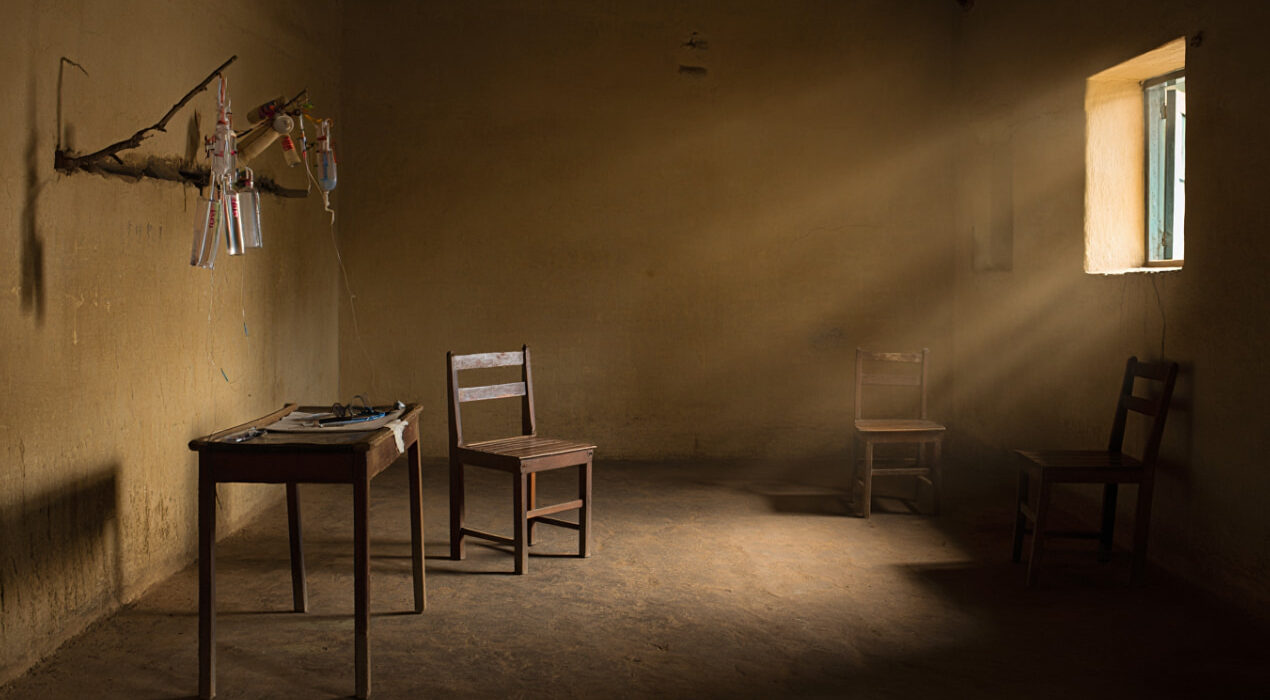
In a village outside Hyderabad, a clinic operated by Abdul Waheed is typical. Rusted nails hold used infusion tubes on the wall. The facility has no signboard, no registration, and Waheed himself has no license to practice medicine—only a homeopathy diploma and a nursing course. He charges 300 rupees per consultation, seeing dozens of patients daily who place their faith in him.
“I have confidence to diagnose a patient and treat the disease,” Waheed told AFP, reflecting the brazen ease with which unqualified individuals practice. When asked about legal challenges, he said, “No one has questioned me yet.”
A Nationwide Crisis with Deadly Practices
Abdul Ghafoor Shoro, Secretary General of the Pakistan Medical Association, calls it a “public health epidemic.” These “fake doctors” often pick up scraps of knowledge while working alongside real physicians before opening their own shops.
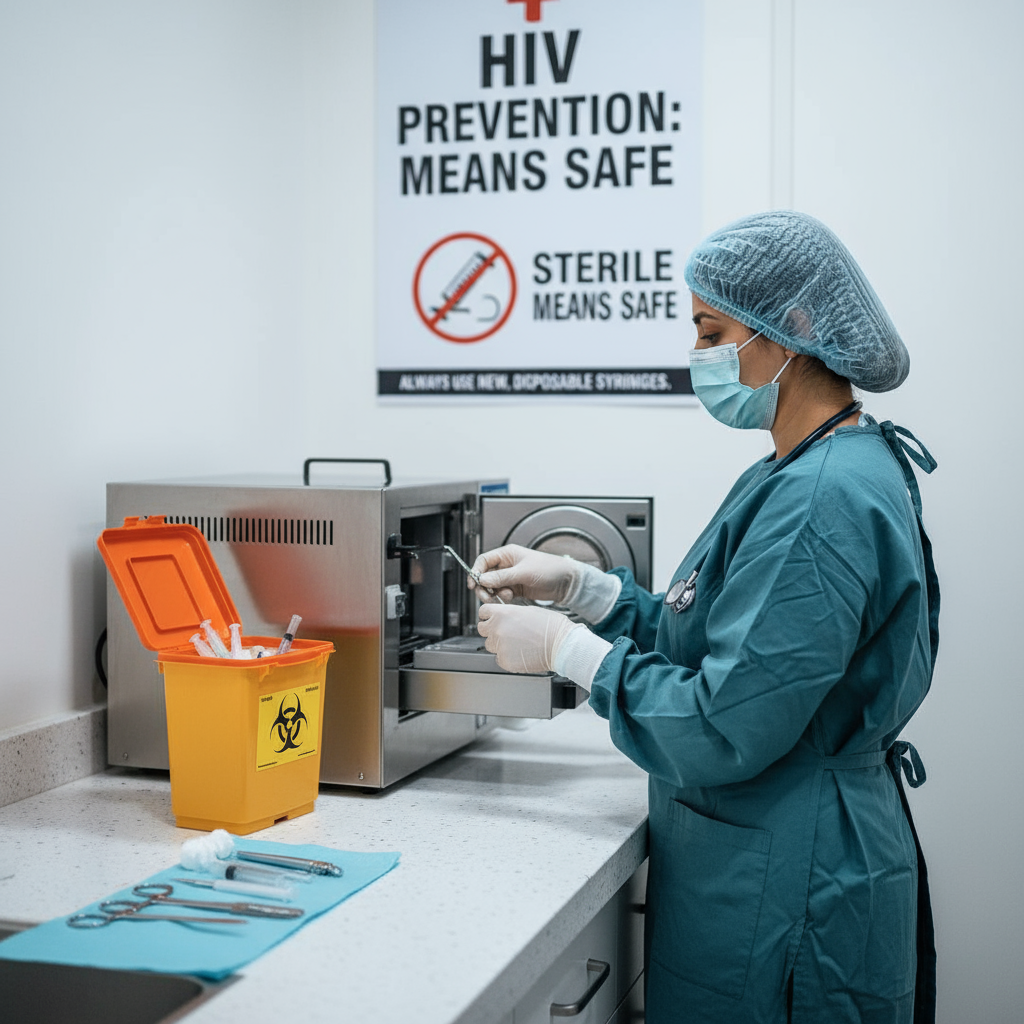
Their practices are alarmingly unsafe. “The instruments they use are not sterilised. They simply wash them with water and continue using them. They reuse syringes, which increases the spread of hepatitis and AIDS,” Shoro warned. Misdiagnosis and incorrect dosages are common, turning treatable conditions into life-threatening emergencies.
Overwhelming the Formal Healthcare System
The fallout cripples Pakistan’s already strained public hospitals. Dr. Khalid Bukhari, head of Karachi’s massive Civil Hospital, says his facility is “overloaded” with patients whose conditions were “ruined” by unqualified practitioners.
“These people are playing with the lives of poor citizens,” Bukhari stated. Proper initial treatment would prevent many from needing costly tertiary care, saving families from financial ruin and the state from overwhelmed emergency wards.
Weak Laws and Threats Stymie Regulators
Regulatory bodies like the Sindh Healthcare Commission (SHCC) admit they are fighting a losing battle with limited resources and a weak legal framework. “If we shut down 25 outlets, 25 new ones open the very next day,” said SHCC head Ahson Qavi Siddiqi.
He described the law as ineffective—offenses are bailable, allowing offenders back on the street immediately. Enforcement is also dangerous. “Our teams are taken hostage. We are fired upon,” Siddiqi revealed, highlighting the influence and intimidation these operators wield in their local areas.
The result is a cycle of harm where vulnerable populations, lacking education to identify qualified care, suffer lifelong damage or death, while the unregulated “epidemic” continues unchecked.