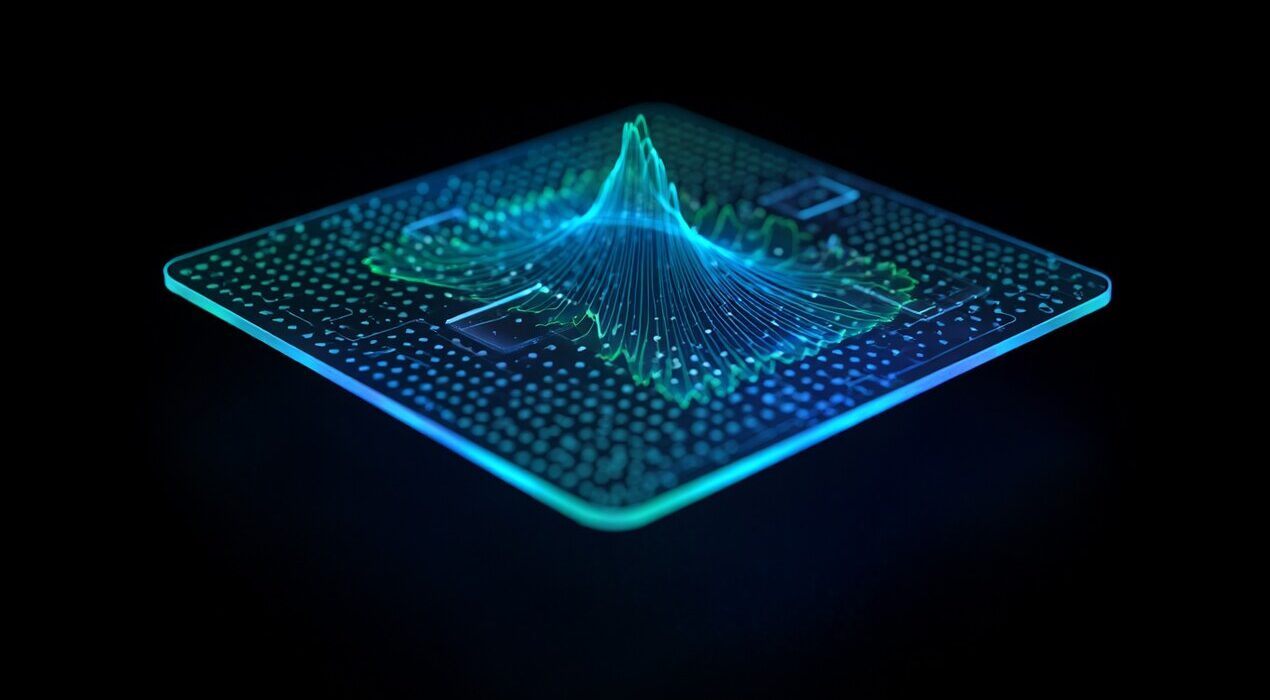
Phonon Laser Chip Paves Way for Smaller, Faster Smartphones
Engineers have created a remarkable new device. It generates tiny, earthquake-like vibrations on a microchip. This breakthrough could transform your future electronics. The device is called a surface acoustic wave (SAW) phonon laser. It produces ultra-fast mechanical waves. These waves already power filters in today’s smartphones and GPS. However, this new version is far more advanced.
How This “Phonon Laser” Works
The chip combines several specialized materials. It uses silicon, lithium niobate, and indium gallium arsenide. These layers work together to create and amplify vibrations. The process mimics a standard laser. Instead of amplifying light, it amplifies sound waves. Vibrations bounce back and forth, gaining strength each time. Eventually, a powerful wave escapes the chip. “Think of it like waves from an earthquake on a small chip,” said lead author Alexander Wendt.
Why This Technology Matters
Current SAW systems need multiple chips and more power. This new design fits everything on one chip. It could operate using just a simple battery. Importantly, it also reaches much higher frequencies. The team generated waves at about 1 gigahertz. They believe it can go much faster. Therefore, it enables better performance in a smaller package.
The Future of Smaller, Faster Electronics
This innovation is a key missing piece. It allows all radio signal processing on a single chip. As a result, future wireless devices can be smaller and more efficient.”This phonon laser was the last domino we needed to knock down,” said senior author Matt Eichenfield. Now, engineers can build every component on one chip.In summary, this “phonon laser” paves the way for the next generation of electronics. Your next smartphone could be more powerful and use less energy.