PIA Privatisation Law Advances After President Zardari Signs Repeal Bill
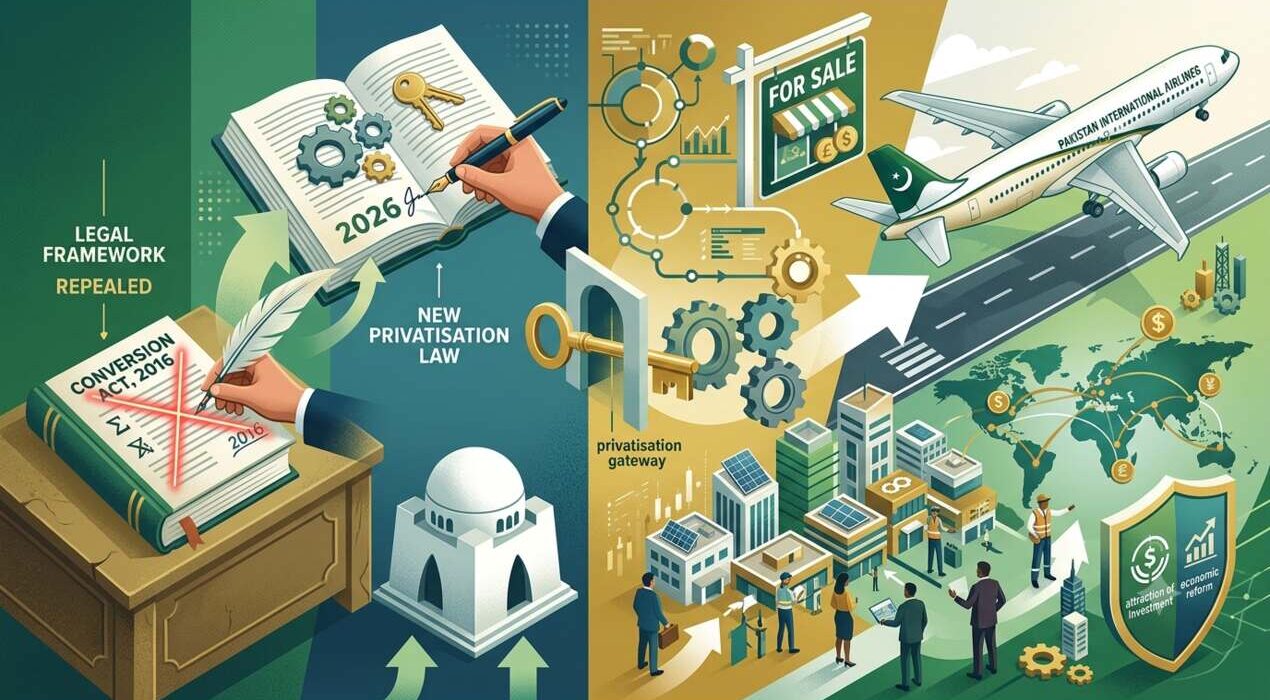
President Asif Ali Zardari signed the PIA Privatisation Law on Friday, completing a crucial legal requirement for the privatisation of Pakistan International Airlines Company Limited (PIACL). The move came after both houses of parliament approved the Pakistan International Airlines Corporation (Conversion) (Repeal) Bill, 2026. As a result, the government can now proceed with the next phase of the airline’s sale.
The repeal removes the Pakistan International Airlines Corporation (Conversion) Act, 2016. Officials consider this step necessary to complete the privatisation process. Moreover, the decision supports the government’s wider economic reform programme and efforts to attract private investment.
Parliament Clears Final Legal Obstacle
The Senate passed the repeal bill on June 10. The National Assembly approved it the following day. President Zardari then signed the legislation, allowing it to become law.
Therefore, authorities have removed one of the last legal barriers to the transfer of ownership. Government officials believe the change will make the privatisation process smoother and more transparent. In addition, they expect the move to strengthen investor confidence in Pakistan’s economy.
The government has promoted privatisation as a way to improve efficiency and reduce financial pressure on the public sector. Consequently, officials view the completion of legal requirements as a significant achievement.
New Owners Plan Major Investment
A consortium led by Arif Habib Corporation Limited secured a 75 percent stake in PIACL during a televised auction on December 23, 2025. The consortium offered Rs135 billion, making it Pakistan’s first major state-owned enterprise privatisation in nearly two decades.
Initially, the government planned to retain a 25 percent share. However, the consortium later announced its intention to acquire the remaining stake as well. Since taking operational control in April, the group has outlined ambitious investment plans.
For example, it intends to invest about Rs125 billion in fleet modernisation, route expansion, debt management, and service improvements. As a result, industry experts expect better operational performance and stronger competitiveness. The development also highlights Pakistan’s commitment to market-based reforms supported by the International Monetary Fund (IMF).