Polysilicon Tariffs Lift Solar Stocks Amid US-China Trade Tensions
Polysilicon tariffs pushed solar shares higher in premarket trading Friday. President Donald Trump announced new import restrictions on products made with polysilicon.
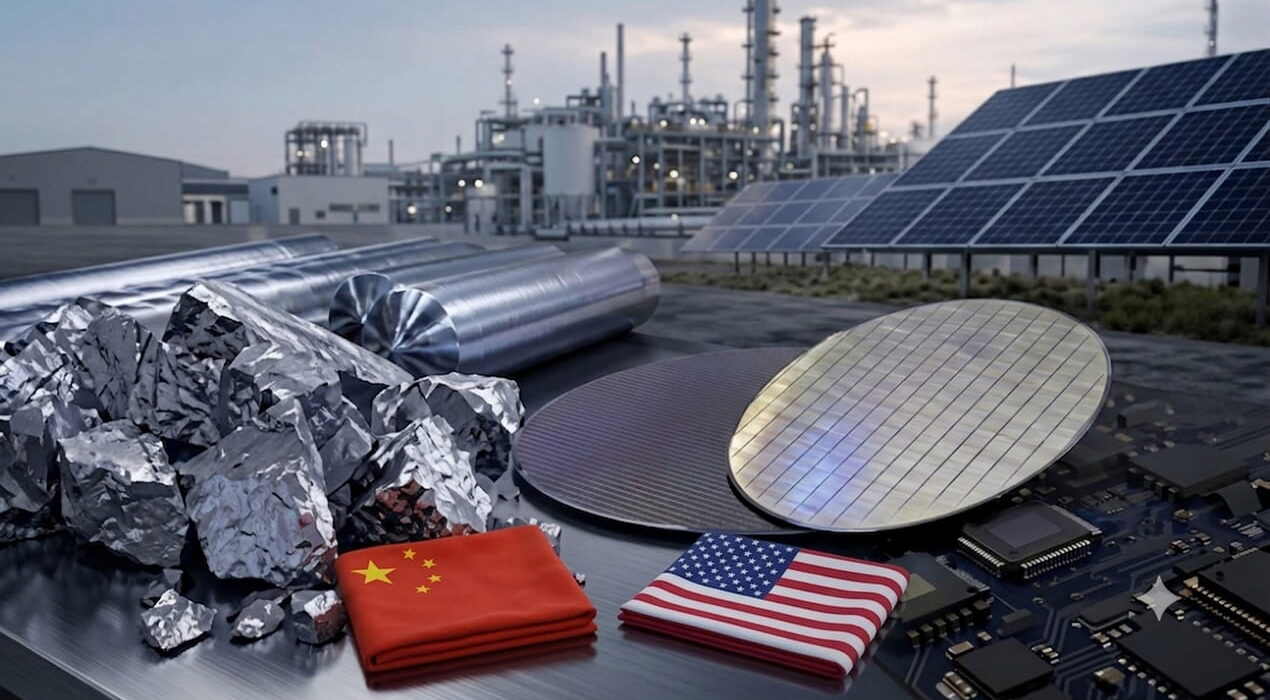
The material plays a key role in solar panel production. It also supports the manufacturing of semiconductors. Therefore, the new measures could affect both energy and technology industries. They also add pressure to the ongoing US-China trade dispute. Trump announced a 15% duty on certain products made from polysilicon. In addition, the administration introduced minimum prices for some related imports. The measures aim to support US manufacturers. They also seek to reduce reliance on overseas suppliers.
Shares Rise Before Market Open
The announcement quickly lifted several solar-related shares. First Solar gained more than 7% before the market opened. Meanwhile, SolarEdge Technologies rose about 1%. The Invesco Solar ETF also climbed roughly 4%. Investors appeared to welcome stronger trade protection for domestic producers. However, the new duties could also increase costs for some companies. The impact may depend on how manufacturers manage their supply chains. Companies could adjust sourcing plans as the new rules take effect.
Trump Targets China Supply Chains
Trump imposed the duties under Section 232 of the US Trade Expansion Act of 1962. The law allows the government to restrict imports linked to national security concerns. According to the executive order, Commerce Secretary Howard Lutnick provided advice and information before the decision. The administration wants to strengthen domestic supply chains. It also wants to limit China’s influence across key industries. For example, polysilicon remains important for clean energy manufacturing. Semiconductors also play a major role in artificial intelligence and advanced technology. As a result, the latest trade action connects energy policy with America’s technology strategy.
Wider US-China Trade Battle
The new restrictions mark another step in the broader US-China trade conflict. Both countries continue to compete across chips, energy, manufacturing, and artificial intelligence. Trump said foreign competition had weakened US polysilicon producers for decades. He argued that stronger measures could help rebuild the domestic industry.
However, businesses may face higher costs during the transition. Market participants will now watch prices, imports, and company earnings closely. The latest move could reshape global supply chains over time. It may also create fresh opportunities for US-based manufacturers.For investors, solar shares remain sensitive to trade policy. Therefore, future tariff decisions could continue influencing the sector.