Probiotics for Depression Show Promise in Older Adults, Study Finds
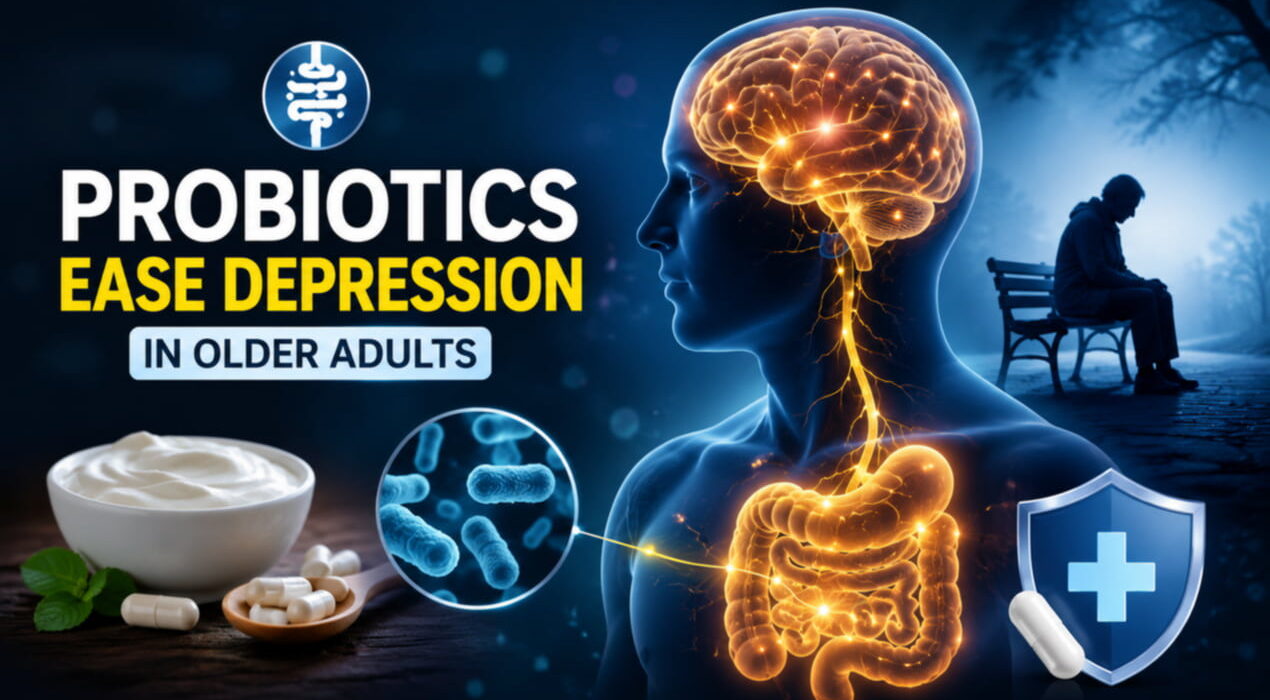
Probiotics for depression may offer new hope to older adults living with mood disorders. A pilot clinical trial found that adding probiotics to standard treatment led to modest but meaningful improvements in depressive and anxiety symptoms. Researchers, however, noted that both the probiotic and placebo groups showed strong overall progress during the study period.
The study appeared in the Journal of the American Geriatrics Society. It involved 58 participants in India who were aged 60 years or older and had moderate depression. Researchers randomly assigned them to receive either daily probiotics or a placebo for 12 weeks alongside antidepressant treatment. They then monitored participants for another 12 weeks.
How the Study Was Conducted
Investigators assessed participants using validated psychological tests. They also measured serum brain-derived neurotrophic factor levels and examined fecal microbiota profiles. Results showed that probiotics helped improve symptoms of depression and anxiety. However, they did not provide clear additional benefits in quality of life compared with placebo. Even so, the findings suggest probiotics could support existing treatments.
Why the Findings Matter
Older adults often require safe and affordable options to complement mental health care. Therefore, probiotics may represent a biologically plausible and low-risk addition to standard therapy. Researchers stressed that this was a pilot study. As a result, larger clinical trials are necessary to confirm the findings and understand long-term effects.
Researchers Plan Larger Trials
Dr. Saibal Das said the results were novel and encouraging. He added that the team is planning a larger follow-up clinical trial. Co-author Abhinaba Ghosh emphasized his vision of developing affordable healthcare solutions. He hopes to make effective interventions accessible to wider populations for meaningful public health impact.