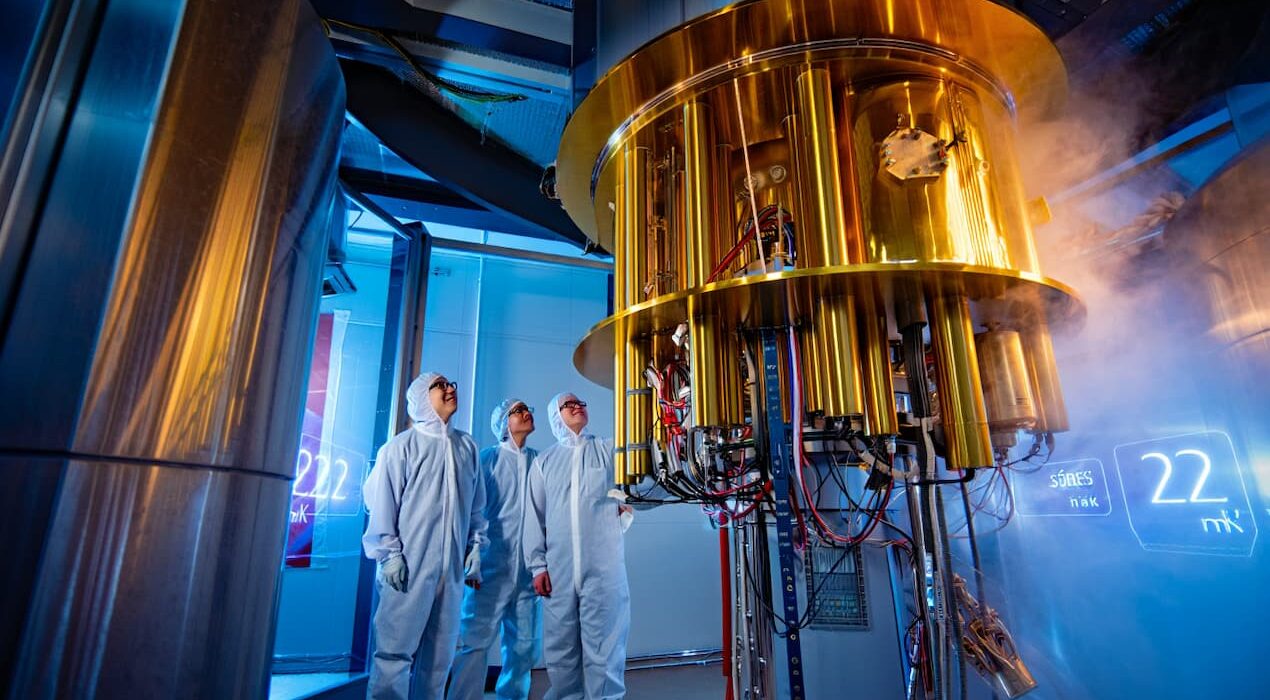
Quantum Refrigerator Breakthrough: New Cooling Method Changes Computing
Researchers found a new way to cool quantum computers. Instead of blocking noise, they now use it. This breakthrough could change how we build these machines. A team at Chalmers University created a quantum refrigerator. It works inside superconducting circuits. The device cools, heats, or amplifies signals.
Why Extreme Cold Matters
Quantum computers need extreme cold to work. They operate near absolute zero, around -273°C. At this temperature, electrical resistance disappears.Qubits form stable quantum states in this cold. Qubits store quantum information. However, heat or noise destroys this data quickly.Larger quantum computers face bigger cooling challenges. Bigger circuits create more hot spots. These warm areas erase quantum information instantly.
Smarter Cooling Approach
Simon Sundelin led the research. He explains their new method. “Many quantum devices face energy transport limits. Understanding these pathways helps us design better systems.”The team built an artificial molecule. They used superconducting circuits for this. Then they connected it to microwave channels.They added controlled microwave noise to the system. This noise drives heat transport predictably. “We realized Brownian refrigeration,” says Simone Gasparinetti. “Random thermal fluctuations now produce cooling.”
Tiny Measurements, Big Impact
The system measures incredibly small heat currents. It detects power down to one attowatt. That’s 10⁻¹⁸ watt, or almost nothing.Here is some perspective. If this heat warmed a drop of water, it would take forever. The universe would end before the water warmed one degree.The setup switches between operating modes easily. It refrigerates, acts as a heat engine, or amplifies thermal transport. This flexibility matters for large quantum processors”The hottest spots appear where we control qubits,” says researcher Aamir Ali. “Traditional cooling cannot reach these tiny scales.”This method removes heat directly inside quantum circuits. Therefore, it opens doors for more reliable quantum tech. Drug discovery, AI, and secure communications could all benefit.The research appears in Nature Communications. It represents real progress toward practical quantum computers. As a result, future devices could become more stable.Quantum technology could reshape many industries. However, engineering hurdles remain. This cooling breakthrough solves one major challenge.For example, future quantum computers might run longer. They could process more information without errors. In addition, they might need less external cooling equipment.The team continues refining their approach. They want to integrate this cooling directly into quantum chips. Therefore, manufacturing could become simpler and cheaper.